This Facebook page has been created to advocate for the extension of the Réseau express métropolitain (REM) line to Vaudreuil-Soulanges via the new Ile aux Tourtes bridge.
When the REM surface line to Ste. Anne de Bellevue is completed in 2023, the $6 billion, 26-station automated electric light rail transit (LRT) system will link Montreal, Laval, north and south shores — but not Vaudreuil-Soulanges, Quebec’s fastest growing MRC.
In December, the government announced that a replacement for the nearly 60-year-old Ile aux Tourtes bridge would be completed by 2030. Plans for the new bridge include dedicated bus lanes and separate corridors for cyclists and pedestrians — but no LRT corridor.
Already, proposed parking at West Island REM stations is being cut back. Autorité régionale de transport métropolitain (ARTM), the MMC’s overseer of public transit, favours active transport (walking, cycling) and local shuttlebus service.
Unless regional public transit agencies are prepared to keep operating the existing Vaudreuil-Hudson commuter rail line once the REM is in service, Vaudreuil-Soulanges and its 150,000+ residents will lose their only mass public transit link to Montreal.
Le REM dans/in Vaudreuil-Soulanges will work to raise awareness of the need to redraw plans for the Ile aux Tourtes replacement to include a REM right of way serving Vaudreuil-Soulanges and points west.
Without access to a high-speed mass public transit system:
– Vaudreuil-Soulanges enterprises, including the promised hospital, will struggle to attract labour. By its projected 2026 completion, the hospital will represent some 4,000 jobs;
– Vaudreuil-Soulanges residents will continue to be at the mercy of Montreal’s worsening traffic chaos and the eventuality of tolls;
– the Montreal Metropolitan Community will have missed the opportunity to significantly reduce greenhouse gas emissions in the fight against climate change, a keystone of the MMC’s master plan.
As announced in December, the new Ile aux Tourtes bridge will not include a right of way for an off-island extension of the Réseau express métropolitain (REM). Over half of the participants in a public consultation told the provincial Environment ministry they want to see a REM extension made part of the environmental impact assessment process. (John Kranitz photo)
An environmental impact study of the replacement Ile aux Tourtes bridge should include an analysis of extending the Réseau express métropolitain (REM) line to Vaudreuil-Dorion, according to a majority of opinions submitted to a public environment ministry consultation released Monday.
As currently configured, the 26-station automated electric light rail transit (LRT) system will terminate in Ste. Anne de Bellevue when it begins service in 2021. The $6B network will link Montreal, Laval, the north and south shores — but not Vaudreuil-Soulanges and its 150,000+ residents.
The public consultation — on which factors should be taken into account in the planning and reconstruction of the Ile aux Tourtes bridge — began on Dec. 12/18 and concluded Jan. 11/19. The 16-page document is a summary of observations from participants on the factors which they feel should be considered in a future environmental impact study.
In December, the government announced that a replacement bridge would be completed by 2030 to replace the two-kilometre span, built in the early sixties and neglected for long periods. The new bridge will be 45 metres wide (the existing bridge is 29 metres), with dedicated lanes for public transit and carpooling.
The consultation drew 28 briefs, 17 of which specifically urged the transport ministry to include an extension of the REM to Vaudreuil-Dorion as an integral part of the reconstruction project.
Accessibility and public safety were significant concerns of most intervenors. Ten comments focussed on traffic congestion on the bridge and its approaches before, during and after construction. Recommendations including closing some on-ramps and exits to mitigate the risk of accidents and to restore fluidity, both in the planning stage and during construction. Others wanted a speed limit reduction, photo radar, reflective lane markers and the quick removal of snow accumulation. One brief suggested diverting all truck traffic to Highway 30 unless it is headed to the West Island.
Environmental concerns were well represented, with a number of briefs urging the addition of dedicated bicycle/pedestrian lanes and the development of policies to preserve prehistoric sites and natural habitats of Ile aux Tourtes and adjacent islands and shorelines.
Noise and vibration from the roughly 83,000 vehicles a day — 10,000 of them trucks — were also raised as concerns. A number of contributors wanted the new span’s design and construction to reflect best practicesworldwide.
Consultation participants raised concerns about the ongoing lack of transparency on the part of the transport ministry when it comes to the existing bridge and how traffic will be rerouted during construction of its replacement. Many cited a lack of transparency while the existing bridge underwent repairs and expressed concern at the foggy timeline for its replacement.
Article 31.3 of the Environmental Quality Act requires that after having received a directive from the environment minister, a project’s initiator — in this case the Ministère du Transport — is required to publish a notice announcing the start of an environmental impact evaluation, the first step in drafting an environmental impact assessment of the bridge replacement project
Under the law, any person, group or municipality has the right to suggest what factors should be explored in the process of determining the project’s environmental impact. Once the consultation period ends, the environment ministry shares the results with the project’s initiator and posts factors it considers relevant on the Registre des évaluations environnementales page.
Next step is an impact study to detail modifications to be made during the planning process and to address issues raised in the course of this evaluation process. No hard dates have been set for the start of construction or completion. The transport ministry hasn’t indicated whether the existing span will be demolished.
Documentation and citations:
Les observations sur les enjeux que l’étude d’impact devrait aborder:
Reconstruction du pont de l’île-aux-Tourtes entre Vaudreuil-Dorion et Senneville par le ministère des Transports
Consultation publique
réalisée par le ministère de l’Environnement
et de la Lutte contre les changements climatiques
3211-05-469 31 janvier 2019
Nom du projet :
Reconstruction du pont de l’Île-aux-Tourtes entre Vaudreuil-Dorion et Senneville
Canada’s chief public health officer Dr. Theresa Tam calls for safer opioids as she announces the death toll for the first half of 2018.
More North Americans die of opioid abuse than in traffic accidents. In 2017, 3,987 Canadians died from opioid overdoses. In the U.S., where widespread opiate and opioid abuse started earlier, the number of deaths topped 72,000. [Ed.: the terms opiate and opioid initially were used to differentiate between drugs derived from opium and synthesized variants. Opioid has become the umbrella term.]
Opioid abuse takes many forms, says a prominent Quebec pain control and addiction specialist. “Patients with prescriptions sell their meds or fail to store them safely.”
He sees adolescents, especially those who consume THC, buying opioids and becoming addicted. “THC consumed in adolescence alters brain structure and chemistry, leading to a decrease in verbal memory, especially if the person is also battle ADHD, anxiety or mood swings. Then they end up self-medicating with THC.”
How widespread is opioid abuse? He cites a study of 570,000 opioid-unaware patients receiving post-operative opioids who were followed for 2.7 years. “One per cent overused or abused, but with serious consequences […] The risk of abuse doubles with every prescription renewal, even one, regardless of dosage.” His conclusion: “Opioids should be prescribed in small doses over the short term, not repeatable.”
My source asked that I not identify him. His campaign to sensitize patients and healthcare bureaucrats to the risks of opioids has led to clashes with regulatory bodies responsible for ensuring the health and safety of patients. Instead, he says, these bodies act as if their sole intent is to ensure that alternatives such as cannabidiol (CBD) are hard to prescribe, obtain and assess for efficacy while giving the opioid industry free rein to do business as usual despite clear evidence of an epidemic of abuse.
I asked him whether opioids are effective, non-addictive painkillers when used as prescribed.
“I came to realize that my patients taking opioids for pain relief were fat, lazy, sweaty, non-functional — and still in pain,” he replied. The condition is called opioid-induced hyperalgesia, characterized by a paradoxical response whereby a patient receiving opioids for the treatment of pain could actually become more sensitive to certain painful stimuli.
Urinalysis and close questioning led him to conclude some of his patients were trading their prescribed drugs for more powerful alternatives on the black market. Others were selling all or part of their prescribed drugs for cash. His doctor-patient relationship prevented him from turning them over to the police. The response from the Collège des médecins du Québec (CMQ)? Stop prescribing.
Since his aha! moment, he has pioneered in the prescribing of cannabinoids in the treatment of chronic neuropathic pain. He also seeks to educate, offering two-hour seminars to healthcare professionals during which he dispels misconceptions about cannabinoids and explains the chemistry and psychology of neuropathic pain. (Indicative of an awakening taking place within the industry, his lectures are sponsored by opioid producers Purdue and Janssen.)
He scrupulously maintains an arm’s-length relationship with Canada’s get-rich-quick cannabis industry. “I didn’t invest because I want to remain credible,” he told me in November. “It’s a huge field and it’s just starting…I saw it coming because the current treatments for neuropathic pain are not working.” Big Pharma knows it, federal and provincial regulators know it, doctors and pharmacists know it, he adds, but that knowledge isn’t being shared with the patient.
It’s equally clear to him that unless the medical cannabis industry can demonstrate the science to support efficacy claims, the industry can’t advance. “There’s a real lack of understanding of [the body’s own endocannabinoids and how they act on our pain receptors]. Unless there’s a scientific basis, there’s no research money.” Without research on a proposed substance’s medical indications, attenuating effects, optimum dosage and clinical trials, Health Canada won’t issue a Drug Identification Number (DIN), the basis on which a drug can be prescribed for a specific use and covered by public or private drug insurance.
Theoretically, any licenced Canadian doctor has been able since 2013 to write a prescription for medical marijuana and its derivatives without the patient having to enrol in a clinical trial. Because of the determined efforts of the Collège des médecins du Québec, it’s easier to buy black-market or grey-market cannabis than it is to find a Quebec GP willing to write a prescription.
As of April 1, 2014, cannabis could only be prescribed in Quebec “within a research framework,” as it is not a medically recognized treatment. Quebec patients with the financial wherewithal had the option of consulting one of a growing number of private pain clinics. Those without the means were given the choice of buying products online (with no guarantee of purity or dosage consistency) or from First Nations distributors (the Tyendinaga Mohawk Nation south of Belleville has 57 outlets selling medical and recreational cannabis of varying potency and quality). Until Quebec’s pot police ordered them to stop, the province’s pet stores were selling out their supplies of veterinary-quality CBD to arthritic oldsters of another species.
However, Quebec’s insistence on patients having to enrol in clinical trials may have given cannabinoid researchers a leg up. In May 2015, the world’s first research database on the use of cannabis for medical purposes, the Quebec Cannabis Registry (www.registrecannabisquebec.com) was launched under the auspices of the Research Institute of the McGill University Health Centre (RI-MUHC) and the Canadian Consortium for the Investigation of Cannabinoids (CCIC).
The Registry’s creators set a goal of 3,000 participants over a 10-year period. (The Registry stopped taking registrants in the fall of 2018 after enrolling the 3,000.) It curates clinical data from patients, sites and clinics throughout Quebec; each participant must agree to provide data for four years after recruitment. Any licensed doctor practising in the province wishing to authorize cannabis for their adult patients could enrol participants in the registry.
The CMQ sought to denigrate the Registry, claiming it doesn’t satisfy the criteria of true scientific research and therefore can’t demonstrate that cannabinoids offer a solid alternative to opioids for chronic pain relief. However, most I spoke to believe that research eventually will demonstrate that provincial pharmeconomies can save millions by replacing ineffective, addicting opioids and other prescription drugs with cannabinoids. In the end, it’s a cost-benefit analysis. What’s an overdose death worth? What’s the price tag on addiction? I understand the need for skepticism and caution but I find it incredible that in Canada, medical cannabis isn’t further ahead.
During a trip to Italy last fall, I was blown away by the percentage of Italians who use cannabidiol for pain relief. CBD is widely available throughout Rome, Florence, Milan and most larger cities. Italians who would never dream of smoking to get buzzed use CBD to treat arthritis, chronic pain, anxiety, insomnia and a list of inflammatory and autoimmune disorders. Significantly, Italy does not appear to have an opioid addiction problem.
The CBD sold in Rome was manufactured in Holland and certified 99% pure, which to my experience covering this issue is questionable.
While unlicenced extraction appears to be a crime nationally, one Quebec cannabidiol extractor told me he’s sourcing his CBD from non-psychoactive indica (hemp) plants. The active ingredient can be extracted with various easily available solvents. Ottawa’s legalization legislation, Bills C-45 and C-46, didn’t deal with this other than to stipulate that there would be a year’s delay before consumeables and edibles are legalized. At an industry conference last spring, several major players told me tell me the non-THC demand will dwarf recreational and they’re happy to have the time to source CBD precursors and develop delivery systems.
Human endocannabinoid receptors CB1 and CB2. Receptor sites are found in many organs and areas of the body, but CB1 receptors are primarily located in the central nervous system, which includes the brain. CB2 receptors are found primarily in the immune system. Cannabinoids THC and CBD interact with these receptor sites like our endocannabinoids do. (from the Ontario Cannabis Stores website (https://ocs.ca/blogs/how-cannabis-works/endocannabinoid-system).)
In November 2018 I was diagnosed with advanced osteoarthritis of the left hip. I’m scheduled to see a specialist in early February, with a surgical date dependent on the surgeon’s hospital OR schedule. According to the Canadian Institute for Health Information, I have an 83% chance of getting my hip replacement within 182 days of my referral.
In the meantime, I walk with a cane or ski pole. The only exercise left to me is swimming. My osteopath has succeeded in reducing associated sciatic pain but walking, standing, sitting and lying down are painful, often acutely. I can no longer control the pain with NSAIDs. I refuse to consider opioids because of their risks.
On the advice of my GP I enrolled in a clinical trial conducted by the Registre de cannabis du Quebec, the Quebec Cannabis Registry. I take 1.5 ml of prescribed cannabidiol oil under my tongue twice daily. CBD reduces the pain’s intensity, allowing me to get on with life. It takes approximately 90 minutes for the dosage to take effect.
Because everyone’s endo-cannabinoid receptors are unique, there is no such thing as a universal optimal dose or CBD/THC balance. Instead, one embarks on a trial-and-error process of finding one’s optimal dosage. Every refill arrives with a Health Canada fact sheet urging the beginner to start low and go slow in increasing one’s dosage.
My pain specialist prescribed Spectrum Yellow, 20% CBD and less than 1% THC. I’ve been keeping a daily journal on my results and observed side effects. On the plus side: my pain is reduced to a manageable dull ache, I enjoy deeper, more restful sleep, a reduced appetite (a positive because my GP says I have to lose 10 pounds or I’ll be using a walker), regularity, and heightened senses of smell and taste. Less welcome are the dry mouth and eyes and a loss of enjoyment for alcohol. I’ve also noticed interactions with coffee (too much or too little triggers fleeting headaches) and a tendency to slight depression if I don’t drink a lot more water than I used to.
Once a month, I complete a Registry questionnaire. Has my quality of life improved or deteriorated? How well am I able to function? I report side effects and possible adverse reactions to the supplier as they occur and fill out their questionnaire.
I talk about CBD because I think others should know about it. People ask me whether it makes me high (it doesn’t), whether I can drive legally (depends on my ability to pass a roadside sobriety test) or visit the U.S. Over the course of the last two months, I’ve been surprised by the number of those taking CBD for a wide variety of conditions. A friend’s COPD has improved, another’s arthritic pain is less crippling. I take them for what they are — anecdotal evidence of the efficacy of CBD as an anti-inflammatory and pain reliever.
As a journalist, I have covered Canada’s transition from Killer Weed and reefer madness to legal pot, beginning with the Le Dain Commission hearings into legalization versus decriminalization. My biggest regret is that the Trudeau Liberals made legalization of recreational marijuana their priority, launching Canada into the big experiment before the medical profession is set up to measure the effects on individuals and the healthcare system. At the same time I find it beyond idiotic that Quebec doctors are still being discouraged from writing medical cannabis prescriptions and I find myself wondering what it will take to show how federal and provincial regulatory bodies are conspiring with those who manufacture, market and distribute opioids to keep patients “sweaty, fat, lazy, unmotivated — and still in pain.”
Is CBD a medical magic bullet? Which markers determine whether someone will respond well to cannabinoids and who might be genetically predisposed to psychotic or allergic reactions? Why do men and women respond differently? Without research, without scientifically conducted clinical trials, we won’t know until the U.S. jumps in — which is happening as I write this.
The Quebec Cannabis Registry is said to be planning to release details from its database this spring. In the meantime, I’ve spent the past month plowing through the contents of Therapeutic and Recreational Cannabis: In Search of Answers, an 83-page Powerpoint shown to doctors, pharmacists and nurse practitioners. It draws case histories from the Registry.
Powerpoint takeaways:
— Current knowledge of the body’s endo-cannabinoid system is fragmentary but we know it is involved in regulating the cognitive system, fertility, pregnancy, appetite, mood, pain sensations and motor learning.
The human body manufactures its own endo-cannabinoids: anandamide, which acts on the same pain receptors as THC, and 2-arachidonoylglycerol, or 2-AG, which appears to control the level of a certain fatty acid that limits body’s anandamide levels. These molecules latch onto CB1 and CB2 receptors to regulate and control a range of bodily functions. The theory is that a correct ratio of cannabis plant-derived analogs tetrahydrocannabinol and cannabidiol can help rebalance the body’s endo-cannabinoid system. But drug basics — counterindications, dosage, interactions and side effects are fragmentary.
We know there’s an individual optimal mix of THC and CBD but we don’t know much about the 140 other compounds found in cannabis strains. We’re beginning to learn about the function of terpenes — aromatic components in cannabis extracts — in modulating the effects of THC and CBD.
Research, most of it anecdotal, has determined that ratios of caryophyllene, limonene, myrcene, pinene and terpineol play a role in determining the psychological effects of different cannabis strains. The farthest the industry goes in assigning specific benefits to terpene combinations is to describe them as having an “entourage effect” — a hypothetical mechanism by which compounds in cannabis largely non-psychoactive by themselves moderate the overall psychoactive effects of the plant.
The Powerpoint’s clinical observations about CBD and THC are convincing, not only in the treatment of neuropathic pain but the generalized symptoms of pain, psychic troubles, inflammatory and auto-immune disorders and neurological complaints can be mitigated. Studies show positive results in treating of epilepsy, anorexia, fibromyalgia, inflammatory bowel and intestinal disease, chronic migraines, acute pain sensitivity, chronic fatigue syndrome, bipolar disorder, autism spectrum disorders, insomnia, anxiety, PTSD, schizophrenia and depression.
The presentation begins with a pharmaceutical history of pain relief, then shows how CBD and THC are being used to treat the same disorders with positive results. By the 63rd slide, the dissertation gets into pain-relief specifics: preliminary results from the Registry show reductions in neurological and mixed back pain, radiating lower neck pain with or without dystonia, CRPS, post-operative visceral pain (abdominal and pelvic), post-traumatic chronic headaches and migraines, jaw pain and cancer-related pain (nausea, wasting).
“We are likely going to be able to show major pharmacological benefits and savings in pain treatment,” the presentation concludes. “Most psychoactive drugs will eventually be phased out.”
This is where some of the research is concentrating — on the use of CBD to wean opioid addicts off their drugs. (This presentation was funded by Purdue Pharma and Janssen Ortho, two major opioid producers.) North America uses 80% of the world’s prescription opioids. It’s a $2.6B industry. Access to replacement treatments using methadone and suboxone is extremely limited. There is an 85% risk of relapse. Even through the genetics and neurobiology of addiction are well known, funding for research is very limited. The subject is poorly or not taught in medical schools.
Pain researchers report immediate effects when CBD is combined with opioids. Pain relief is immediate and tolerance levels are lowered. Some patients stopped taking opioids. Others stopped taking antidepressants, anti-convulsants and anti-spasmodics. “…there is evidence that CBD…can play a role not in opioid withdrawal, but with other stimulants — nicotine, cocaine, amphetamines.” Doctors currently prescribing medical cannabis agree Quebec’s pharmacies are best situated to ensure compliance and provide advice to patients about the side effects of terpene profiles.
Quebec Cannabis Registry case histories:
#3 52-year-old female with chronic back and hip pain, migraines, chronic fatigue, insomnia off work for 2+ years and walking with a cane, treated with 30 mg of CBD and 7.5 mg. THC/day. No longer uses fentenyl patches, gabapentin, naproxyn, Cymbalta, Tramacet, Elavil, clonazepam.
#4: male, 70, with progressive chronic pain since 2004, fibromyalgia, neuropathic pain in hands, chronic fatigue and insomnia, treated with CBD 30 mg/day and THC 2×23 mg/day. Has ceased taking Cymbalta, oxycodone, ketamine, Tylenol, naproxyn, OxyNeo, gabapentin, Nabilone, Elavil, Senecot/Colace.
#5: 42-year-old woman with Lynch Syndrome underwent colon, brain and breast surgeries in adolescence.Suffers from chronic head and abdominal pain. Treated with CBD and THC, she has stopped using Elavil, Constella, Effexor, dicyclomine,Prevacid, naproxyn, gabapentin, citalopram. She continues to take meds prescribed for bipolar disorder.
#6: Female, 52, with Crohn’s disease underwent total colectomy, suffers from rheumatoid arthritis, chronic abdominal pain. Medications included prednisone, Statex, Gravol, Serax, Tylenol, Pantoloc, Purinethol. Since being placed on 15 mg of CBD and 10 mg THC at bedtime, she no longer uses prescription meds.
#7: 38-year-old woman diagnosed with fibromyalgia in 2005 and spinal arthritis in 2007, was given 26.3 mg of THC at bedtime and 20 mg. of CBD twice daily. She stopped using fentanyl patch, Elavil, Cyclopenzaprine, Topamax, Dexilant, Seroquel, Lax A Day and Gabapentin. By September, she was receiving injections of Certolizumab, a biologic medication prescribed for Crohn’s and several forms of arthritis.
#8: 35-year-old mother of four suffered kidney stones and related infections. Diagnosed with psychiatric disorder, addicted to dilaudid and other prescription painkillers. Unable to tolerate methadone, she was switched to the opiod Tapenadol. She is undergoing cannabis therapy while continuing Tapenadol and the antidepressant Effexor.
#9: 32-year-old woman underwent total colectomy and ileostomy in the course of an emergency caeserian and underwent nine more surgical procedures for adhesions. Suffers from chronic abdominal pain, took to injecting prescription meds to cope. Hospitalized, she was switched from hydromorphone to metadol and is undergoing cannabis therapy to wean her from metadol. She’s off opioids dilaudid and Contin and will stop taking the tranquilizer clonazepam and Trintellix, an antidepressant.
#10: Male, 37, suffered a crushed wrist in 2015 and subsequent neuropathic pain. Unable to tolerate prescription painkillers, consumed 6-8 grammes of dried cannabis per day. Switched to 2 grammes of THC/CBD hybrid cannabis flowers and daily doses of THC and CBD oils.
#11: Female, 56, severe chronic back pain, multiple intolerances to prescription painkillers, walks with a cane with difficulty. Placed on a dosage of 1-3 grammes of a mix of CBD and THC cannabis strains, she stopped taking her daily mix — Lyrica, Kadian, Emtec, Contin, dilaudid, naproxyn, Flexeril.
#12: 60-year-old male injured his left knee in a 2005 workplace accident and was forced to stop working 10 years ago as the result of chronic neuropathic pain. Opioid dependent, he became obese. Since starting to take gelcaps of a THC/CBD oil mix at suppertime, he stopped taking Oxyneo and oxycodone and has reduced his metadol prescription by two thirds. He has since returned to work and has lost 47 pounds.
The presentation’s conclusions:
— Our lack of understanding of neuropathic pain, addiction and pain hypersensitivity has led to the misuse of opioids.
— Opioids have their place, but new restrictions must be placed on their use.
— The preliminary results of the Quebec Cannabis Registry demonstrate an efficacy inneuropathic pain, inflammatory diseases, and possibly in relieving pain hypersensitivity and the symptoms of opioid withdrawal.
— Cannabis isn’t tolerated by everyone and will not be covered until in-depth studies are published, which will take considerable time unless demonstrated savings in [drug, hospital and social costs] generate the political will to effect change.
— The Colleges [of Physicians and Surgeons] the faculties of medicine and the Order of Pharmacists should promote the teaching of these subjects to their members.
— What is considered recreational usage is often the result of self-medication for an undiagnosed condition. These individuals should be able to access the information required for healthy use of these products.
Gray keeps his monthly bloodwork results on the back of one of his hospital cards. He says it’s the only proof he needs to stop taking prescribed medications in favour of self-treatment with cannabidiol.
He’s a biker, even if his shoulder-length hair and beard are turning white and his once muscled body has wasted to lean bordering on frail. His Moto Guzzi sits in the shed, in front of the bench where he grows cannabis under LED lights. He’s smoked weed most of his life, but these “girls” as he refers to his female plants, will never be immolated. Gray says he hasn’t smoked since he began extracting cannabis oils a year ago.
Gray has MDS, myelodysplastic syndrome, a form of blood cancer. The immature blood cells his bone marrow produces don’t mature. Some patients with lower-risk forms of MDS can live five years or more. In 30 per cent of cases MDS degenerates into acute myeloid leukaemia, a form with a far shorter life expectancy.
When Gray was diagnosed with MDS, his doctor told him he had 18 months and put him on Darbepoetin to raise his hemoglobin level. For three years he received the $1,580 injections every three weeks. He was also prescribed up to eight Oxycontin tablets a day.
Three years later, Gray was barely functioning. His hemoglobin/white cell counts continued to decline. That and the Oxycontin left him wasted, so he stopped the darbepoetin and replaced the Oxy with Percocet, a combination of acetaminophen and oxycontin. Online, he’d been following the advice of Rick Smith, a Canadian cancer survivor who counsels supplanting or supplementing conventional treatments with a mix of tetrahydrocannabinol (THC) and cannabidiol (CBD) extracted from dried cannabis. Like Smith, Gray believes a THC-rich blend is more effective in killing cancer cells.
He continued to monitor his hemoglobin level and white cell count, both of which rebounded. When his cannabis extract supply ran out in October, his levels dropped so fast and far, he required two blood transfusions. Since then, he makes sure he has the raw materials to maintain a steady supply.
He’s still taking the opioid Percocet, but at lower levels than prescribed. “There are days I’ll feel like popping a perk,” he says. He believes opioids helps him function in the mornings.
He doesn’t share his self-medicating details with his doctors. “Oh, they know, but they don’t want to know.” He’s a firm believer in the conspiracy theory placing the self-regulating bodies that oversee Canadian medical professionals in bed with Big Pharma. Doctors are encouraged to continue prescribing prescription painkillers and discouraged from assisting their patients in exploring alternatives. Career-wise, it’s safer for a doctor to continue prescribing opioids despite a North American epidemic of overdose-related deaths.
A year of bloodwork has convinced Gray that a mix of CBD and THC is keeping his leukemia in check.
Long before the Oct. 17/18 legalization of recreational cannabis, the federal health establishment and its provincial agencies strove to keep the cannabis discussion focussed on regulatory issues for fear of being drawn into a larger discussion concerning the use of cannabinoids as effective, health-insurable prescription drugs.
Since 2013, any doctor in Canada is legally permitted to prescribe cannabinoids without the patient having to enrol in a clinical trial. The exception at that time was Quebec, where as of April 2014 cannabis could only be prescribed “within a research framework,” as it is not a medically recognized treatment.
To satisfy the Collège des medécins’ demand for a framework, a group of doctors and researchers announced in May 2015 the creation of the world’s first research database on the use of cannabis for medical purposes, the Quebec Cannabis Registry (www.registrecannabisquebec.com).
“We need this database to help develop and answer future questions on the medical use of cannabis, such as who uses it, for what reasons, through which methods, and at what dose.” — Dr. Mark Ware, Director of Clinical Research of the Alan Edwards Pain Management Unit at the MUHC and associate professor in Family Medicine and Anesthesia at McGill University.
The Quebec Cannabis Registry collects, compiles and store clinical data collected from patients who use medical marijuana. Participants agree to provide data for four years after recruitment. Any licensed doctor practising in the province wishing to authorize cannabis for their adult patients can thus enrol participants in the registry. The Registry’s creators set a goal of 3,000 participants over a 10-year period beginning in 2015. (It stopped taking registrants this fall after enrolling the 3,000.)
April, 2018: Quebec’s Collège des medécins cautions members against prescribing cannabinoids pending further research into efficacy, dosage and side effects. “Does one prescribe three grammes a day or five,” demands Collège secretary Yves Robert. “And five grammes of what? Cookies? Oil? Inhalation?” Doctors who prescribe cannabinoids instead of opiates had better be able to justify their choice, Robert warns.
The Collège argues that the Registry doesn’t satisfy the criteria of true scientific research and therefore can’t demonstrate that cannabinoids offer a solid alternative to opioids for chronic pain relief.
Quebec’s growing network of private cannabis clinics accuses the Collège of using veiled threats to fearmonger doctors into refusing to consider cannabis as an alternative to opioid painkillers.
Sept 20/18: Three weeks prior to the legalization of recreational cannabis, the CMQ revises its prescription protocols for medical cannabis. Quebec doctors can now prescribe cannabis outside the framework of a research project subject to the following caveats:
— A doctor must know the limits of his expertise and should not prescribe unless medically necessary.
— Based on the principle of ‘first, do no harm,’ the doctor must also ensure that a prescription’s therapeutic benefits must outweigh undesirable potential effects and risks such as dependency.
— Cannabis must not be the first treatment choice. Before considering it for treatment of a medical condition, the doctor must ensure that the patient’s response to other treatments is inconclusive. The doctor must make note of treatments tried and deemed ineffective by the patient.
— The doctor must become aware of policies regarding the use of cannabis for medical purposes as listed on the Health Canada website. The prescription of cannabis isn’t appropriate for anyone under the age of 25, anyone presenting a risk or history of dependancy, those with a family history of psychosis, anyone with cardiovascular or respiratory disease, women breastfeeding, expecting or hoping to be. The doctor must also weigh the risk to ex-smokers of prescribing inhaled cannabis.
— Upon prescribing, the doctor must carry out a full medical evaluation, in person, and must note the patient’s free and informed consent in his file. He must inform the patient of possible effects and complications on the patient’s health (depression, psychosis, mental illnesses, lung disease, connitive decline, memory loss, reduction in professional or scholastic performance). — The patient must be aware of his responsibilities in following this treatment, specifically while driving and preventing the drug’s use by minors.
— The patient must schedule visits to the doctor as needed to ensure adequate followup of his medical condition. A first followup visit should take place within three months of the initial prescription depending on the clinical conditions and until the stabilization of the patient.
The patient must not sell or traffic in prescribed drugs.
— The doctor must cease prescribing cannabis in the event of a complication or if the patient doesn’t fulfill his obligations.
— Treatment must begin with the lowest possible dose and increases must be managed with care.
— In all cases, treatment must be signalled to the the treating physician as well as to other doctors following the patient with the patient’s consent.
— The doctor must note in the patient’s file the indication for which the cannabis is prescribed.
— The doctor must keep a register of patients for whom he has prescribed cannabis so as to permit control and adequate followup of his clientele and rapid access to files.
The CMQ protocol also addresses potential conflicts of interest:
The authorization or prescription for the use of medical cannabis or supplementary fees cannot be billed by the physician. The doctor cannot derive profit from prescribing medical cannabis and cannot directly sell or provide it to the patient.
— The prescribing physician must allow the patient the freedom to choose a supplier.
— The physician must safeguard his professional independence at all times and avoid any situation in which he would be in a conflict of interests. To this end, if the physician has financial interests in an enterprise engaged in the production of cannabis, must so inform the patient as well as the milieu where he practices.
Pain specialists expressed disgust at the CMQ’s latest edicts, arguing that opioids, with their known risks of addiction and abuse, are the real problem. Research has shown phytocannabinoids THC and CBD can work in harmony with the body’s own endocannabinoids to mitigate pain. “The pharmeconomy would save millions, maybe billions, in drug and treatment costs with cannabinoids,” a Quebec GP told me.
October 2018: The Quebec Automobile Insurance Board refuses to reimburse the cost of cannabinoids prescribed as a cost-effective pain treatment alternative to opioids such as dilaudid, fentanyl and methadone. Only medications bearing a DIN and listed in the Régime général d’assurance médicaments (RGAM) are reimbursable. (CNESST, Quebec’s workplace health and safety agency, will consider reimbursing the cost of prescribed cannabinoids.)
Of the provinces, Quebec maintains the hardest stance on cannabis. The current government proposes to raise the legal consumption age to 21 regardless of the federal legal age, 18. Quebec is the only province to ban unlicenced cannabis production (not even the federally sanctioned four plants), yet outlets of the SCDQ, the provincially managed cannabis marketing structure, are closed half the week for lack of product. Who benefits from that?
Gold-rush hucksterism
This past April, I attended a cannabis industry conference in Montreal and blogged about it (https://thousandlashes.ca/2018/04/16/cannabis-update-risk-vs-potential/). Major producers Canopy Growth, Aurora and Hypothecary were there, along with Health Canada and a jam of lawyers and lobbyists — regulatory and governance specialists, branding and trademark lawyers, M&A suits. I met venture capitalists and insurance actuaries, producers and foodies.
Researchers provided a reality check to the gold-rush huckerism. A mid-morning panel on the scientific and medical implications of legalization featured McGill’s Dr. Mark Ware, the Université de Sherbrooke’s Dr. Serge Marchand and New Brunswick Health Research Foundation head Dr. Bruno Battistini. They foresaw serious public health issues resulting from Canada’s legalization of the recreational use of cannabis, at that point still six months away. Their biggest concern —the 20 per cent of recreational pot users at risk of mental illness. THC, the psychoactive component of cannabis, latches onto receptors in the brain that trigger certain pleasure reflexes. This 20% is at risk of developing psychotic reactions, especially among adolescents and young adults.
The panel stressed the need for extensive research into phyto-cannabinoids, the collective label given to 142 molecules found in various cannabis strains. The two best-known cannabinoids are delta-9-tetrahydrocannabidiol, or THC, and cannabidiol, or CBD. THC is responsible for many of the pharmacological effects of cannabis, including the psychoactive effect — the high. CBD doesn’t have any of the intoxicating, euphoric effects of THC.
The researchers described CBD’s potential as a medical ‘magic bullet.” Cannabidiol is being used to treat a growing list of conditions — Crohn’s and other inflammatory bowel diseases, PTSD and other psychological disorders, fibromyalgia, rheumatoid arthritis, epilepsy, MS, Parkinson’s, Alzheimer and dementia, austism spectrum disorders, acne — and opioid addiction. But without clinical trials and scientific methodology, the medical cannabis industry can’t advance past the anecdotal stage and opiates will remain North America’s default prescription painkillers despite their toxicity and potential for abuse.
Ware, who has since gone on to become chief medical officer for Canopy Growth, is a West Island family doctor who co-founded the Canadian Consortium for the Investigation of Cannabinoids (CCIC) while serving as director of clinical research at the MUHC’s Alan Edwards Pain Management Unit. He described how difficult it was to convince doctors to enrol their patients in cannabinoid clinical trials because of resistance from the profession’s governing bodies. (To get around Quebec’s Collège des médecins and its convoluted protocol for the prescribing of cannabinoids, Ware and a group of pain specialists in May 2015 launched the Quebec Cannabis Registry (www.registrecannabisquebec.com), the world’s first research database on the use of cannabis for medical purposes. In late 2018, registration was closed at 3,000 patients.)
Drs. Ware, Marchand and Battistini concluded on a down note: In legalizing recreational weed, Canada has opened the door to cannabis’s medical applications. However, they warned, it was a matter of time before the U.S. removed CBD from the DEA’s list of Schedule 1 drugs (no currently accepted medical use, high potential for abuse). Once that happens, Canada would lose its advantage.
As they predicted, the U.S. Drug Enforcement Administration five months later moved CBD from Schedule 1 to Schedule 5, allowing the prescribing and sale of CBD-derived formulations with levels of THC below 0.1%. In December, the Hemp Farming Act of 2018 was signed into law, making CBD a legal agricultural product. Estimates peg the U.S. CBD market at $23B annually within 10 years.
Equally sudden has been the opioid backlash directed at producers and distributors. In the U.S. the attorneys-general of 41 states have served five major opioid producers and three distributors with subpoenas seeking information about how these companies marketed, sold and distributed prescription opioids. Civil class-action lawsuits alleging the industry misrepresented the effectiveness and addictive nature of opioid painkillers are being filed across America.
In Canada, the opioid backlash so far has been limited to B.C., which in August announced it would file a class-action lawsuit against dozens of players in the opioid industry. The province’s attorney-general alleges 20 years of misinformation and deception about the effectiveness and risks of addiction and asked other provinces to join B.C.’s action. Although a number of provinces with their own skyrocketing opioid-overdose death rates said they would review B.C.’s action with an eye to joining it, none have stepped forward.
Why the silence? None of the professionals I spoke with wished to be quoted, but they generally agreed the problem lies with Canada’s medical insurance structure. Public and private insurers buy in bulk from the distributors, who motivate doctors and pharmacists to prescribe.
Are opioids effective, non-addictive painkillers when used as prescribed? Here’s what one Quebec pain and addiction specialist told me: “I came to realize that my patients taking opioids for pain relief were fat, lazy, sweaty, non-functional — and still in pain.” The condition is called opioid-induced hyperalgesia, characterized by a paradoxical response whereby a patient receiving opioids for the treatment of pain could actually become more sensitive to certain painful stimuli.
Urinalysis and close questioning led to his discovery that some of his pain patients were trading their prescribed drugs for more powerful alternatives. Others were selling all or part of their prescription for cash. His doctor-patient relationship prevented him from turning them over to the police. The response from the Quebec Collège des médecins? Stop prescribing.
June 24, 2008: Day trippers pour off the train chartered by M&M for the Hudson Village Theatre for the launch of their summer season. Early showgoers could attend the matinee, then hang out in Hudson while the later crowd took in the evening show after a day strolling through town.
Hudsonites may remember this. For a town struggling to reverse the demise of its Main Street retail, the sight of a trainload of day trippers spending a vehicle-free day shopping, dining and playgoing was all it took to launch talk of a resurgent local economy. (Many visitors said there wasn’t enough to see or do to fill the time, but that’s another issue.)
The idea of train travel generates a lot of feel-good baggage, especially for we who grew up with a dozen daily trains and the Sunday-morning Hangover Special. Old photos are a reminder of what Hudson has lost as service dwindled to a single commuter train weekday mornings and evenings and shuttlebuses, collectively costing taxpayers roughly $270,000 a year.
One of Hudson’s perennial debates is whether subsidizing public transport is worth it. The late mayor Steve Shaar used to quip it was cheaper to buy a car for every one of those taking the train. Since then, I’ve realized the extent to which the taxpayer subsidizes the use of the car (and the driver doubly so). I’m running into more and more people done with a three-hour commute, traffic and lost personal time. I’m also meeting Millennials who reject car ownership and the illusion of personal freedom it conveys.
Is there a social shift underway in Vaudreuil-Soulanges? With a population topping 150,000 and 15% growth between censuses, is it sustainable enough to attract investment in an hourly light-rail shuttle between Rigaud, Hudson’s heritage stations and the bus/rail terminus in Vaudreuil? Will the new Réseau express métropolitain (REM) line terminating in northern Ste. Anne de Bellevue eventually cross the Ottawa River via the Ile aux Tourtes bridge replacement planned for 2028? Shouldn’t we be planning now for what will happen a decade away?
Hudson’s current administration has just begun its second year in office. Council’s orientations include a planning exercise that may or may not result in changes to transport-oriented development (TOD) established by the previous council. Under current densification designations and Hudson’s 10-year-old master plan, the town has limited control over the size and social impact of multi-unit developments within the current one-kilometre TOD zone. It’s another of those inherited headaches we’re having to deal with.
AMT morphs into EXO: Beginning in 2018, locomotives, railcars, ticket operations and everything else of an operational nature will be rebranded. Why? Because.
It was with these thoughts that I headed to Trois-Rivières last Friday for the Nov. 9 Forum municipal sur le transport ferroviaire sponsored by the Union des municipalités du Québec. Alone and by car, onto the island on the 40, off the island via the 13 to the 640, to the 40. There is simply no other means getting to and from Trois-Rivières in less than 24 hours — the amount of time it took by steamboat 150 years ago.
The forum drew some 150 participants from throughout the province. During that afternoon’s interactive online survey, we learned that 96% of us arrived by car —most by ourselves. (I confess to not having made an effort to carpool with Hudson mayor Jamie Nicholls and Rigaud’s Hans Gruenwald.) I met mayors, prefects and councillors from among the 500 Quebec municipalities transected by at least one operating rail line. Most of those I spoke with said their priorities were public security and moving freight. Public mass transit wasn’t at the top of most attendees’ lists of priorities despite UMQ president and Drummondville mayor Alexandre Cusson’s opening remarks warning us the planet is at a turning point, that sustainable transport is an essential next step and we, the municipalities, have to sell this to our residents.
The 2013 Lac Mégantic oil train explosion has become an essential component in every discussion of rail safety. Have skinflint branch-line operations been made safer as a result? We have Transport Minister Marc Garneau’s word.
With Lac Mégantic mayor Diane Morin in the audience and Transport Canada’s role in creating conditions for the 2013 oil train explosion fresh in many minds, federal transport minister Marc Garneau concentrated on vaunting his government’s doubling of the number of Transport Canada inspectors and investment in level crossing safety. He was followed by Infrastructure and Communities Minister François-Philippe Champagne, who touted the many areas in which the feds and the provinces can partner on rail transport projects.
Quebec’s new CAQ government declared itself behind whatever François Legault promised during the election campaign. In his maiden speech as transport minister, François Bonnardel touched on everything from passenger service in the Gaspé to developing Contrecoeur, on the South Shore downriver from Montreal, as Quebec’s new containerport and intermodal terminus. He noted how the premier is involved “haut et fort” in Via Rail’s plans to double service to Quebec’s smaller population centres — like Trois-Rivières. Again, Bonnardel’s emphasis was on the need to partner with Ottawa and municipalities and to let citizens know what’s happening.
Corporate interests were heavily represented by lobbyists and the forum’s panelists. VIA Rail CEO Yves Desjardins-Siciliano shared a glowing report (below) of VIA Rail’s blue-sky expansion plans for eastern Canada. CN executive president Sean Finn delivered a jolly hundredth-anniversary cheer for CN’s Quebec operations (2,038 miles of track, eight major clients across Canada) and a bold mission statement: we’re ready to help you move goods while removing trucks from Quebec’s highways. He made it clear people-moving isn’t part of CN’s mandate.
CP mixed-freight train chugs past Vaudreuil-Dorion development. Transport Canada has added more than 100 inspectors. Is that a guarantee of zero risk when municipalities have no way of knowing what is being transported before the fact?
Stéphane Forget, chairman and CEO of the Fédération des chambres de commerce du Québec, was alone in mentioning Montreal’s Réseau express métropolitain (REM) light rail transit system due to start moving Greater Montreal residents in 2021. The big challenge in building new lines or reviving old ones, he added, is finding the financing.
Last up at the podium was Martin Soucy, CEO of the Alliance de l’industrie touristique, who tried to convince the crowd Quebec rail tourism can become world-class if enough money is thrown at it.
La présentation de monsieur Yves Desjardins-Siciliano, président et chef de la direction de Via Rail;
La présentation de monsieur Sean Finn, président exécutif des services corporatifs et chef de la direction des Affaires juridiques du CN;
La présentation de monsieur Stéphane Forget, président-directeur général de la Fédération des chambres de commerce du Québec;
La présentation de monsieur Martin Soucy, président-directeur général de l’Alliance de l’industrie touristique;
The forum produced a formal declaration, the Déclaration de Trois-Rivières, creating a UMQ’s rail transportation committee dedicated to making rail transport safer, more competitive and more convenient. Like the day’s event, I found the declaration to be vague and flabby — deliberately so. Is the focus on moving freight more cheaply, more safely and conveniently? In that case, what happens on lines where passenger rail schedules are forced to mesh with freight? Greater Montreal’s commuter lines — and their users — pay the price in dependability and frequency.
Environmental concerns got the requisite lip service. The UMQ commissioned a CROP poll which found nearly nine out of 10 Quebecers (87%) use their cars for trips of 100 or more kilometres, compared to 4% who take the train. Fewer than one in four (22%) use the train as an alternative to driving. At the same time, more than a third (37%) of those polled think government should invest in public transit by rail because it’s the best existing alternative to the car. One in four (28%) say it’s because rail transit reduces greenhouse gas emissions. In other words, a significant percentage of those who say we need more rail transportation aren’t using it now.
In one aspect, the Forum was an incredible success. Everyone with business in rail was there and available. I walked into a conversation between La Megantic’s mayor Diane Morin and François Rebello, a former PQ-turned-ADQ MNA who now lobbies on behalf of municipalities looking to resurrect disused rail lines for freight and passenger service. Morin told me her town’s chief concern is ensuring its industrial park has punctual freight service. What about passenger service? The line is too old and bumpy to allow passenger trains.
We talked with Jean Bouchard, the mayor of Mirabel, a sprawling suburb north of Montreal. Like Hudson, Mirabel is part of the 82-municipality Montreal Metropolitan Community and Bouchard sits on the board of the Réseau de transport métropolitain (RTM), the organism responsible for developing MMC public transit policy. Despite being crisscrossed with old rail lines, Mirabel has no rail commuter service. A new station is planned as part of Exo’s St. Jerome commuter rail line, but there’s no hard completion date.
Bouchard explained how the RTM is responsible for policy, while Exo, the aptly named melange of ARTM, AMT, STM and a half-dozen other public transit entities, oversees operations. Most of the conversation centred on the dog’s breakfast of schedules, services and bad decisions the RTM is having to work its way through in creating a single public transit structure that will guarantee the same level of service throughout the MMC. It wasn’t encouraging, but I took some relief from knowing Quebec’s best entrepreneurial minds are on the job.
As I made the 150-minute drive back to Hudson via the 40, 640, 13, 40 and 342 in steadily worsening Friday-afternoon traffic I wondered what it will take to break Quebec’s addiction to personal transportation. Ever-longer commutes won’t do it, because for many, the commute by public transit is still longer and less convenient. Either deliver on promises such as those made at the UMQ Forum, or continue to pretend there isn’t a worsening public transit crisis.
Water leak at the top of Lower Maple: According to Hudson’s newly adopted infrastructure intervention plan, preventive replacement of rusting water connections comes before repaving Main Road through the downtown core.
Finally, Hudson has a Quebec-approved plan to address the municipality’s notorious infrastructure deficit. Council unanimously adopted the final version of the intervention plan at the Nov. 5 meeting a month after receiving MAMOT approval.
It’s taken almost 11 years to get to this point, but for most of that time, most Hudson residents, myself included, never knew the town needed an intervention plan in order to qualify for municipal infrastructure funding. It works like this:
Back in 2005, Ottawa created the Federal Gas Tax Fund, a permanent source of funding for municipalities to build and revitalize public infrastructure across Canada — roads, bridges, water, energy, public transit and solid waste management systems. Conditions applied. Quebec being Quebec, it wanted a say in how the money got spent. So it created TECQ, funded by the feds but managed by Quebec’s municipal affairs ministry. MAMOT attached its own strings. TECQ grant applications had to cover four years and address Quebec’s list of priorities, beginning with drinking water and sewers. Municipalities could fund road repairs with their TECQ money only after potable water, stormwater and wastewater needs were met. Before it could apply for TECQ funding, a municipality had to submit to MAMOT an up-to-date intervention plan — an inventory of the town’s capital assets and their state of repair.
Engineering consultants Maxxum were hired in the summer of 2017 to work with Town managers to draft a preliminary intervention plan. It was submitted to MAMOT Nov. 9/17. On Feb. 23/18, MAMOT engineering staff replied with comments which required a response. MAMOT received the Town’s response Aug. 14 and replied Oct. 4 — after the Town’s 2018 paving program was completed.
My summary of the final Maxxum report:
The Town of Hudson contains 82 km of water mains, 12 km of sewers, 2.6 km of storm sewers and 76 km of roads. The town is fortunate insofar as its water mains and most of its sewers and storm sewers are relatively new and have plenty of useful life left.
That doesn’t mean they don’t need continuing investment to keep them that way. Our aqueduct network requires $1.875M ANNUALLY. Sewers and storm sewers also require annual investments of $115,400 and $67,600 respectively.
The biggest problem with the aqueducts is that while we began collecting data on water main breaks in 1983, the historic excluded service entrances, corporate stops and “poteaux d’incendie.” Experience has shown these are the source of most of Hudson’s water leaks.
Roads are another story. Maxxum recommends that the town invest $9.1M in integrated upgrades (water + sewers + storm sewers + roads) to bring the road network up to a minimum sustainablity standard. Just keeping the roads as they are will require a minimal ANNUAL investment of $2M +
Once one understands how the plan is laid out, interesting factoids jump out.
Example: a 227-metre segment of Main Road between civic #s 302 and 322 will require water main remediation and repaving totalling $377,610. It was the most expensive segment I could find.
I counted more than 100 segments of road with RMC (réféction majeure de chaussée) designations. Almost all had 4 and 5 ratings — bad or very bad.
Of the storm sewers, the stretch on Cameron between Main and St-Jean has expended 82% of its expected lifespan. Of the 2.6 km of storm sewers, 1 km will turn 50 within the next 10 years, meaning that when that stretch of Cameron is due to be repaired, the storm sewer should be part of the total.
That’s the takeaway from the Maxxum plan. If we’re fixing the town, let’s do it right the first time and according to the intervention plan.
Ask most people how they want their tax dollars spent and they’ll say “better roads and sidewalks.” A longtime Hudson resident moved to St. Lazare because his wife was sick of her car getting beaten up on Windcrest. Cyclists tell me they won’t ride on Main Road because they’re risking life and limb. They can’t understand why we don’t just repave Hudson’s streets, starting with Main Road.
So there was serious confusion when this summer’s $2 million paving blitz included side streets in far better condition than a number of major arteries. Back in September, a District 5 resident requested a schedule of roads to be resurfaced in 2018, those to be done in 2019 and how priorities were decided, “for instance why a low traffic road like Lower Whitlock would be a priority over the far higher traffic volume Main Road.”
I wrote him back with the following:
To answer your first two questions, the document above is the schedule and original estimate for 2018.
It was to be funded by Bylaw 670.1, adopted by the previous council prior to the 2017 dissolution.
The current council was informed that (a) the schedule did not follow the hierarchy of needs set out in the draft intervention plan required by MAMOT to govern infrastructure expenditures, and (b) that the 2018 cost of resurfacing these streets was $470,000 more than the 2016 estimates.
As regards the cost overrun, MAMOT allows a loan bylaw to be revised on this basis.
So 670.1 was revised from $1.5M to $1.97M.
This is reflected in the refinancing resolution we approved in September.
Concerning the intervention plan, council will be approving the final version shortly.
The 2019 repaving schedule will be priority-based as established by the intervention plan.
To answer your last question, it was decided in absence of a final intervention plan to repave according to two criteria:
1) Refrain from cosmetic repaving wherever a road needs serious infrastructure work (drainage and culvert replacement, aqueduct/sewerage remediation);
2) To repave streets where a coat of asphalt will prevent further degradation.
Example: In the late ‘80s the town dug up Main Road between Cote St. Charles and Beach Rd. to install new aqueducts.
The piping itself is in remarkably good condition but the mild steel saddles and corporate stops have rusted to pieces wherever they’re in clay.
This represents roughly 85 addresses.
We saw the result at the exit to the IGA parking lot last winter and more recently, the breaks next to the former Habib’s and Legg’s.
These breaks necessitated digging up the pavement (and in some cases, the sidewalk) and installing bronze saddles.
Former technical services director Trail Grubert counselled the town to replace them all in one go and force recalcitrant property owners to connect to the sewer network before investing in new sidewalks and repaving. (These represent roughly a quarter of the 700 addresses that CAN connect.)
As councillor for District 5, it bothers me to see arteries in need of serious remediation, like Lakeview, Oakland, Elm and Maple, neglected while less-travelled streets got a fresh coat of asphalt.
But as a councillor representing the Town of Hudson, I see the necessity of balancing cost and needs.
I apologize for rattling on, but as you can see, this isn’t a simple matter of heeding the squeaky wheel.
I’ll have news of the 2019 repaving program shortly and welcome your comments.
Jim
For those still with me, here’s some deep background I compiled in January 2018 and shared with Council:
Back in 2005, MAMOT produced its first Guide d’elaboration d’un plan intervention. The idea was to oblige municipalities to apply standard measurement tools to the task of determining how federal, provincial and municipal tax dollars should be spent on infrastructure. In 2013, MAMOT revised the Guide to include storm sewers and the roads above underground installations.
In 2011, Quebec adopted its Strategie d’économie d’eau potable. It obliged municipalities to establish water consumption baselines, which meant towns like Hudson had to get serious about collecting consumption data and using the information to design a program to identify and repair leaks in the system. It also required water meters in non-residential buildings as well as in a sampling of residences for comparison and made some infrastructure grant categories conditional on data thus gathered.
In 2015, MAMOT came out with the Rapport sur le coût et les sources de revenus des services d’eau. Besides putting a 2012 dollar figure on the real cost of water — $2.26 per cubic metre, roughly a penny a gallon — it extended the cost and revenue streams for water services to include all water services — potable water sourcing, treatment and distribution as well as wastewater collection and treatment.
The $2.26-per-cubic-metre figure is now the baseline for all future calculations regarding water infrastructure. That number is regularly adjusted in light of research on the life-cycle replacement costs as well as escalating service costs and salary increases.
The Rapport sur le coût et les sources de revenus des services d’eau was never meant to deal with how these services should be financed or taxed. Since then, however, Quebec has come to realize the real cost of drinking water also includes maintaining, replacing and refinancing all infrastructure related to water. Not just potable water, but wastewater, storm water and the roads and sidewalks above. It also includes the cost of preparing for, and dealing with the cost of climate change.
Last December MAMOT published its Portrait des infrastructures en eaux des municipalités du Québec (PIEMQ). Compiled by the Centre d’expertise et de recherché en infrastructures urbaines, the PIEMQ presents a province-wide analysis of the current state of municipal potable water, wastewater and storm water infrastructures as well as the roads above.
Besides compiling a municipality-by-municipality picture of the current state of our aqueducts, sewers, treatment plants and roads, PIEMQ provides indicators to MAMOT of medium-to long-term maintenance and replacement costs.
The report divides municipal water infrastructures in Quebec into two basic categories — linear, as in major population centres, and sectorial (ponctuel) as we have in Hudson and most semi-rural municipalities where only certain sectors can access services.
The 577 larger, more centralized municipalities with linear systems collectively represent 30,000 km of water pipes with a replacement value of $30 billion, 25,000 km of sewers (replacement value $31 billion) and more than 13,000 km of storm drains (replacement value $17.2 billion.) Some 25,000 km of roads above these systems would cost $28.9 billion to replace.
PIEMQ found urban infrastructures to be in relatively good shape compared to their smaller counterparts (such as Hudson). Almost half (48%) of the 4,153 sectorial infrastructure installations are at a high to very high risk of failure while the rest range from low to moderate.
The numbers attached to this small-town infrastructure deficit are mind-boggling: 3,400 km of water lines, 2,600 km of sewers, 400 km of storm sewers, 11,800 km of roads, 1,700 potable water installations and 2,450 wastewater treatment systems require “more or less short-term intervention.”
The report stresses its ratings should be used as a measure of time left in a life cycle rather than as a risk assessment.
The cost of repairing or replacing infrastructure assets in Hudson and 822 other Quebec municipalities rated as having a high to very high risk of failure is roughly $29.5 billion.
What we need to take away from PIEMQ is the awareness that infrastructure investment is a constant budgetary priority that rockets out of control if councils are distracted by the need to please a fickle electorate with nice-to-have expenditures.
TOP George and Anne at their Mahone Bay, N.S. home in August 2016. ABOVE March 15, 1988: George and I scan one of the first copies of the Montreal Daily News.My friend and mentor George Maclaren died August 30, aged 79. George had been in failing health but when I called his wife Anne at their Mahone Bay, N.S. home the week before he passed, she said he’d gotten up that morning and asked for breakfast.
Phil Authier’s Gazette obituary lists the milestones in George’s life — born in Bondville in 1939, Sherbrooke lawyer, Sherbrooke Record publisher, active Progressive Conservative, Montreal Daily News publisher, Jean Charest’s advisor and confidant, Quebec Delegate-General, philanthropist. What it doesn’t do is talk about what it was like to work with George Maclaren, gentleman adventurer, wise counsellor, hands-off publisher, colleague and friend.
I met George in the summer of 1977. He and several partners had just purchased the Sherbrooke Record from Conrad Black, Peter White and David Radler, all of whom were ready to move on to bigger things. George was looking for an editor looking for a challenge. A mutual friend, Gazette columnist Glen Allen, told George to give me a call. I was a former Gazette reporter and desker then employed as an assistant city editor at the Montreal Star and looking for escape options. Everyone at the Star knew the pressmen were headed for a strike. What we didn’t know was the strike would kill Montreal’s largest newspaper and leave the Gazette with a monopoly that George and I would challenge 10 years later.
Our initial conversation wasn’t auspicious. Maclaren, a parsimonious Townships Scot if ever there was one, proposed to pay me half of what I was making at the Star. But I’d be the editor of Quebec’s third-largest English daily newspaper, with a car and expenses — and I could sign my own editorials. “Jamie, come on down for a visit,” he drawled.
In 1977, the Record occupied a former fishing tackle factory in an industrial park. The Goss press occupied a quarter of the building. The production department took up another big whack of space. Sales had the front office. The newsroom was jammed into the southwest corner against a back wall. It was walled off from the rest of the building with sheets of plywood. The desks were ancient refugees from the Record’s posh Wellington Street home during the Bassett era. A bank of Teletype machines churned out wirecopy, most of which we reversed and wound into spools hung on clothes-hanger holders so we could use the blank side to hammer out our stories on ex-government typewriters.
It was a low-cost operation. I’d heard stories about just how knife-edge from Record alumni Hugh Doherty, Paul Waters, Hubert Bauch and Scott Abbott. George knew how to get to me. “You decide what stories to chase, what goes on front, what photos to run — everything. It’s your newsroom.”
That was the clincher for me.
George and I had three wonderful years running the Record. We broke national stories — Gerald Bull’s big guns, Charles Marion’s bogus kidnap, Saad Gabr’s attempt to buy North Hatley — with the same signed local editorials George vowed when he bought the Record. I’m sure some of the stories we broke cost us advertising, but to his eternal credit, George never brought it up. His only grumble was with John McCaughey’s court reporting from Sweetsburg Ward. “Why must we run the names of people convicted of drunk driving,” he asked me. “If we did it everywhere we cover, it would be one thing. But we’re not. Therefore it’s not fair.” He could have ordered me to stop running the names. Instead he made his lawyer’s pitch for fairness and convinced me to stop.
George and I shared a reverence for what the Record represented — an essential component of the Townships English community. We both read the ‘bush notes,’ the dismissive term used by generations of apprentice journalists to refer to the files from correspondents in far-flung corners of what was once a vast English community stretching from Philipsburg on Mississquoi Bay to Inverness, a hamlet 70 miles from Quebec City. Correspondence editor Helen Evans oversaw and co-ordinated a dozen or more contributors and George would admonish me to find space for their unpaid submissions. “Jamie, they’re important to people,” he’d say when Helen complained about insufficient space.
He also convinced me to meet face to face with longtime scribes like Ivy Hatch, Carl Mayhew and Charles McVety. “Your visit would mean a lot,” he added. “Take the time to go see them.” So once a week, I’d head my fire engine red Record-issue Fort Pinto to one of these far-flung outposts of the Record’s empire. In the process, I discovered wonderful places I never would have visited — the Gosford Settler’s Road, Knowlton’s Old Stagecoach road, Lawrence Colony, Ruiter Brook, Mont Hereford, Leadville — and moving experiences, like sitting on Charlie McVety’s front porch in Inverness as he reminisced about the English Townships.
People came first for George and Anne. Between the two of them, they knew people all over the country and made it their duty to bring them together. We dined with Conrad Black (I dimly recall a wine-fuelled argument), with Prime Minister Joe Clark and Maureen McTeer and with ordinary people from all walks of life. We drove to Ottawa to watch Kim Campbell win the Tory leadership from George’s candidate Jean Charest and to Quebec City to lobby for the English community in the National Assembly dining room. He and I got involved in the association representing Quebec’s English-language weeklies, driving to the Gaspé to work with Sharon McCully and the hard-working group that created the SPEC, the Coast’s English voice.
In 1980 CBC Television offered me a job and I headed back to Montreal. George hired Townships Sun editor Charles Bury to replace me. The CBC went on strike for what was to be a year. Instead of dumping one of us, George kept me on for the year as the editor-at-large while Charlie got comfortable with the daily routine. It’s a measure of the man that he kept us both at the cost of an extra salary in an operation that couldn’t afford it. It was never mentioned.
Fast forward to the autumn of ’87. Québecor approached George Maclaren with an offer. Pierre Péladeau had it in his head to launch an English-language version of the Journal de Montréal, heavy on police and court news, gossip and sports. Part of the motivation came from Gazette publisher Clark Davey’s abortive try at launching an upscale French-language tabloid. Le Matin lasted just 42 issues but Péladeau sought revenge. Québecor would buy the Record in exchange for Maclaren agreeing to launch the new daily.
Seven years after our first meeting, George called me with another challenge he knew I couldn’t refuse. “How would you like to help me launch a new English-language daily in Montreal?” My family and friends were aghast. “You’d quit the CBC to launch a startup?” How does one explain one’s love for print journalism, the feel of holding one’s own daily miracle hot off the press? George and I met with Péladeau and somehow, we convinced each other it would work. I handed in my notice at the CBC, where I was hosting Daybreak. A week later, George and I were back working together, this time in Québecor’s headquarters just off the Main.
The Montreal Daily News began 1988 with nothing — no offices, no production facility, no staff. All we hadwas a March start date and vague plans for an electronic newsroom in the heart of downtown and a remote production facility in Lasalle — Québecor wanted to test cost-cutting technologies and the Daily News was to be their guinea pig for pagination, asymmetric modems and a funny-looking little computer called a MacIntosh. This is where I saw the other side of George as he found ways to work with an eccentric entrepreneur and Québecor’s old-school senior management. There was enormous pressure on him to get the new paper up and running in less that three months, but I never saw him slacken the insane pace that kept the project moving forward. George saw the launch of a new daily as an adventure and he made sure we did too. There was something of Antarctic explorer Ernest Shackleton in George, the ability to motivate others to attempt the impossible.
There isn’t a lot written about how to launch a newspaper. Our bible was Peter Pritchard’s The Making of McPaper: The inside Story of USA Today. I kept borrowing George’s copy until he presented me with my own, complete with a frontspiece note in George’s trademark scrawl:
Jamie,
Here’s your very own copy. Can I have mine back.
George
From left, George Maclaren, Robert Maxwell, Jim DuffOur critics — and they continue to surface 30 years later — faulted us for compromising on things beyond our control — the format, the lack of home delivery until it was too late, 50-cent newsstand price, Quebecor-style cronyism and a byzantine internal-economy structure — but I never saw George cave on principles. When Péladeau proposed to sell half his stake in the Daily News to British press baron Robert Maxwell, George reminded his boss the Kent Commission had recommended a 25 per cent maximum for foreign ownership. Péladeau’s proposal was quickly forgotten in the flurry of bigger news about Maxwell’s troubles.
At the launch party for the Montreal Daily News: Pierre Péladeau, George Maclaren, Jim DuffThroughout the Daily News’s short life, internal debates raged in the newsroom and advertising department over the paper’s target market. Upmarket? Downmarket? Old-stock Anglos? New Quebeckers? Businesspeople? Public transit commuters? Throughout, George stuck to his Record hands-off credo, refraining from meddling in Daily News editorial decisions. The paper was sued for revealing that a popular Tory MP had a two-year lapse in his Parliamentary CV. We reported that he’d spent those two years in prison for the attempted murder of a Montreal cop during a bank holdup. We were sued for telling the truth about a dead mobster. For two years, George protected us from Quebecor’s meddling and protected Quebecor from our angry counterblasts. It was private-sector statesmanship of the highest order.
March 15, 1988: George Maclaren, centre, with a young Pierre-Karl Péladeau and Québecor executives at the first press run of the Montreal Daily News at Imprimerie Dumont in Lasalle. We’re celebrating a Canadian first — a newspaper produced at downtown offices and printed in a remote location.Québecor and I parted ways in 1990 as Péladeau’s son Pierre-Karl took over the task of trying to find a winning formula for the Daily News. George, who helped negotiate my exit, was philosophical. “What these guys don’t want is another walking wounded,” he explained. “Some of their ventures are successes, others were failures, but the worst case for them is a Daily News, hemorrhaging cash with no clear sense of where it’s headed.”
George and I went our separate ways, he to his posting as Quebec’s Delegate-General in London, me back into talk radio and print. Whenever I’d run into Jean Charest, we’d talk about George, Anne and the family. Charest, I grew to learn, places people before politics much as George did.
Louise and I last saw George in August 2016, during a road trip through the Maritimes that included a stop in Mahone Bay, where their stunning heritage home straddles a ridge high above the harbour. He was less interested in current events than in talking about his latest reading on Canadian history. Knowing that he had once served as the mayor of Ogden, I told him I was thinking of running for a council seat. “Don’t do it Jamie,” he cautioned me. “It will drive you crazy.” I’ve lost count of the number of times I wish I had heeded his advice.
As word spread among his circle of friends that his health was deteriorating, I wanted to tell him how much his mentorship and confidence meant to me. We had that conversation late this summer. It was uncharacteristically emotional for both of us, a reminder of that human need to give thanks and say goodbye before it’s too late.
Gananoque, Ontario: Welcome to a parallel universe, where caucus meetings are illegal and all but a handful of council decisions must be reached in public.
Walking through the front door of Gananoque, Ontario’s 187-year-old town hall last week, we unknowingly entered a parallel universe where it’s illegal for a town council to reach a decision behind closed doors.
A universe where every file is simultaneously available to the public and council members.
A universe where, if four council members happen to show up anywhere, even to the local Tim Horton’s, one has to leave to avoid an unauthorized quorum.
A universe where anyone, even a visiting Quebec councillor, can get detailed financial information simply by asking.
A universe where half of all advisory committee members are unelected citizens with unobstructed access to any data they require to assist council in reaching informed decisions.
Welcoming us to the land of the Ontario Municipal Act was Melanie Kirkby, Gananoque’s treasurer. We had no appointment and she had things to do, but she took the time to answer our questions:
Gananoque’s OPEX? $8.5 million (Hudson’s is $12M.)
Revenues? $15M, including $1.4M from the OLG casino (Hudson hopes to take in $13.46M in 2018.)
Budgeted surplus? $500,000 (Hudson has no defined budget surplus.)
Accumulated surplus? $8M, half of which will be spent on a Town Hall annex to make the entire structure accessible. (Hudson has no accumulated surplus.)
Long-term debt? Zero! (Hudson’s long-term debt as of 2016 was $24.4M.)
Off the main hall was a council chamber that looked as if Sir John A. Macdonald had banged the gavel on the rickety desk. I asked Kirkby if caucus meetings were still held there.
She recoiled in horror. “Caucus meetings? They’re illegal in Ontario!” By law, all meetings are open to the public. In order to close a meeting to the public, council must pass a resolution that a closed meeting will be held, stating the nature of the topic under consideration. Only meetings dealing with public security, human resources, the purchase or sale of municipal land, litigation, training and matters covered by the Freedom of Information and Privacy Act can be closed to the public.
The Municipal Act goes further, imposing certain restrictions on any other meeting held without the public present by requiring that no vote be taken unless for a procedural matter or the giving of instructions or directions to municipal employees.
Kirkby explained the Ontario system in terms of Gananoque’s schedule. Regular council meetings take place on the 1st and 3rd Tuesdays of each month. The June 19 council meeting began at 5:05 p.m. with a closed session that ended at 5:55. One item dealing with an HR issue was discussed.
At 6 sharp, the regular council meeting began voting on resolutions stemming from the previous meeting of the Committee of the Whole (COW), a public working table which includes members of council and town staff. It was over by 6:10, including question period.
At 6:11, that week’s COW got underway with Kirkby, fire chief Steve Tiernan and supervisors or and managers from public works, community development, public utilities and parks and recreation in attendance. The town’s external auditors presented the 2107 audited financial statements, thereby releasing them to the public for discussion to a final vote to table them at the next regular council meeting. COW discussed half a dozen other ongoing files before adjourning for the night at 6:55. Those files will be turned into motions for presentation at the next council meeting after having spent two weeks in public circulation.
Kirkby explained how they used to leave the closed sessions to the end of the meetings but moved them to the front of the line so meetings wouldn’t drag on. And to think we’re happy with 10 p.m.
According to the 2016 census, Hudson and Gananoque are remarkably similar in some ways, polar opposites in others. Population-wise, Gan has six more residents than Hudson — 5,194 to 5,188. Hudson’s residents average four months older — 47.7 years versus 47.2.
Both towns are having to deal with aging infrastructure and whether growth and densification guarantee sustainability. Both wrestle with zoning issues.
Hudson faces a chronic water shortage, a $6 million roads infrastructure deficit and an uncertain future as an off-island bedroom community. The weekend-home, pied-a-terre market appears to be Hudson’s best bet — if it can find a sustainable infrastructure solution and redevelop itself as a destination by freeing its commercial core from zoning constraints.
Once Canada’s rivet capital, Gananoque’s industrial base has collapsed; tourism and condominium development to capture the wave of geriatric boomers fleeing the cities are its main hopes. With the pristine headwaters of the St. Lawrence at its feet, Gan’s problem isn’t water, but sewage treatment capacity. A proposed hotel next to the Shorelines Casino has been told it has to build its own sewage treatment plant.
According to the 2016 census data, Hudson is by far the wealthier community. Hudson has fewer private dwellings (2,386 to Gan’s 2,516) but 650 more detached single-family dwellings (1,975 vs. 1,315.) Average total household income: Hudson $121,000 to Gan’s $70,300. Hudson also collects roughly $500,000 in transfer tax.
Sandy Beach, Saturday, June 16: Why would Hudson not charge non-residents for the privilege of using the beach so that the Town can recoup the cost of securing and maintaining this lakeside jewel?
While Hudson debates whether to charge people for using the Jack Layton Park (JLP) boat launch and how to police and control access to Sandy Beach, here’s food for thought.
Between 2:45 and 3 p.m. Saturday, June 16 we conducted a 15-minute survey of people using the boat launch at JLP.
This St. Lazare resident and her partner launch and recover their kayaks from a small beach next to the motorboat launch. Why not give non-motorized users separate access to they don’t have to drag their craft across gravel and wait for a pause in the motorized boat-launch traffic?
We began by asking them where they were from. Two respondents — a couple kayaking and the owner of a 23-foot Sea-Doo runabout — were from St. Lazare. The others hailed from Les Cedres, Huntingdon and Lachine.
Asked whether they spent any money in town, all said no.
Asked whether they would pay $50 to use the launching ramp, all said they would go elsewhere.
Lachine resident reloads his boat after a morning on the lake. If the town jacked the launch fee to $50, he says he would stop coming even though he prefers the Lake of Two Mountains to his home waters. Lachine charges $10 per vehicle and $10 per trailer so that boaters can use the launch ramp for free — and at their own risk.
The Lachine resident has been using the ramp for three years, including the season the town charged for the use of the ramp.
He said he finds the Lake of Two Mountains more interesting for boating and fishing than Lac St-Louis but wouldn’t return if the town charged $50 for use of the ramp. Lachine, he pointed out, doesn’t charge for use of the ramp. Instead, Lachine charges $10 per vehicle and $10 per trailer. Boaters using the ramp do so at their own risk.
Because there is no supervision or control of who parks where, vehicles with trailers monopolize the free parking without regard for how they park. Result: other vehicles are blocked from leaving or finding parking.
Next, we tallied the number of vehicles with and without trailers in the parking lot.
We counted 20 vehicles with trailers and 40 vehicles without trailers.
Let’s say the town charges $10 per vehicle and $10 per trailer.
At $10 per vehicle and $10 per trailer, that amounts to $800 for one afternoon.
Since many won’t spend the whole day on the water, it’s a fair assumption this past Saturday would have pulled in $1600.
Multiply that by 32 weekend days and we come up with $51,000.
Assume rainy weekends will be more than offset by revenues from holiday weekends, when the ramp is in constant use from dawn to dusk.
Another reason to police parking at Jack Layton Park.
Assume another $42,500 for weekday use. Conservatively, parking for JLP and Sandy Beach could bring in $100,000 a year.
The only expense would be a parking attendant and gate at the park entrance on Halcro.
The benefits of charging for parking rather than for using the boat launch?
Beachgoers can enjoy a sunny Saturday on Hudson’s waterfront without spending a cent. Shouldn’t they at least pay for parking?
Non-residents enjoying Sandy Beach should be paying for the privilege as well as subsidizing the cost of parking-lot operation and park/beach bylaw enforcement. We biked to the far end of the beach and noted the number of off-leash dogs (the vast majority), coolers of food and alcohol, and overflowing garbage cans the Town pays to empty. How many bought their food and drinks locally before heading to the beach?
These boaters know the secret to not being boxed in.
Hudson residents pay dearly for all of this, so they should be alone in enjoying free parking by applying for a decal.
Beaches and greenspaces in our region— Pointe du Moulin, Oka Provincial Park, Plage Saint-Zotique, Plage Saint-Timothée, Base de plein air — all charge for vehicle access. Some offer reduced rates or free access to their citizens. Some exchange special access privileges.
To summarize, wouldn’t it be preferable to see Hudson’s lakeside jewel of a greenspace covering the cost of maintaining and securing it for Hudson residents? I can’t understand the mindset of those who say it will end up costing the town more to charge than to give it away.
Don’t believe us. Do the math. Take your own survey. God knows we have the Parks and Recreation staff.
This lengthy rig managed to occupy four parking spaces, but he’s blocked in by another rig parked in front of him. Good luck getting out.


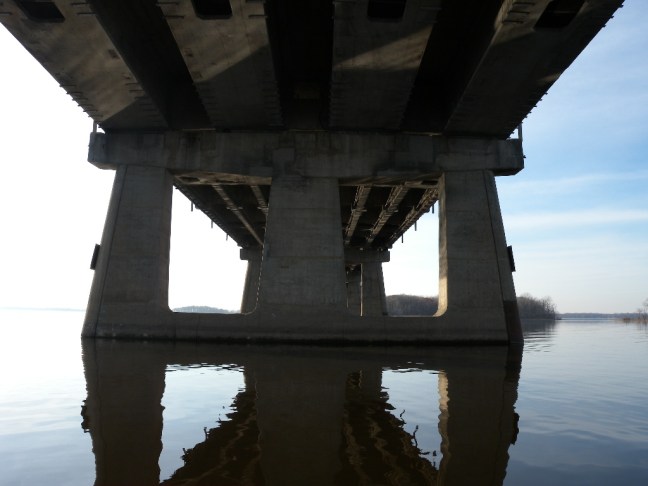
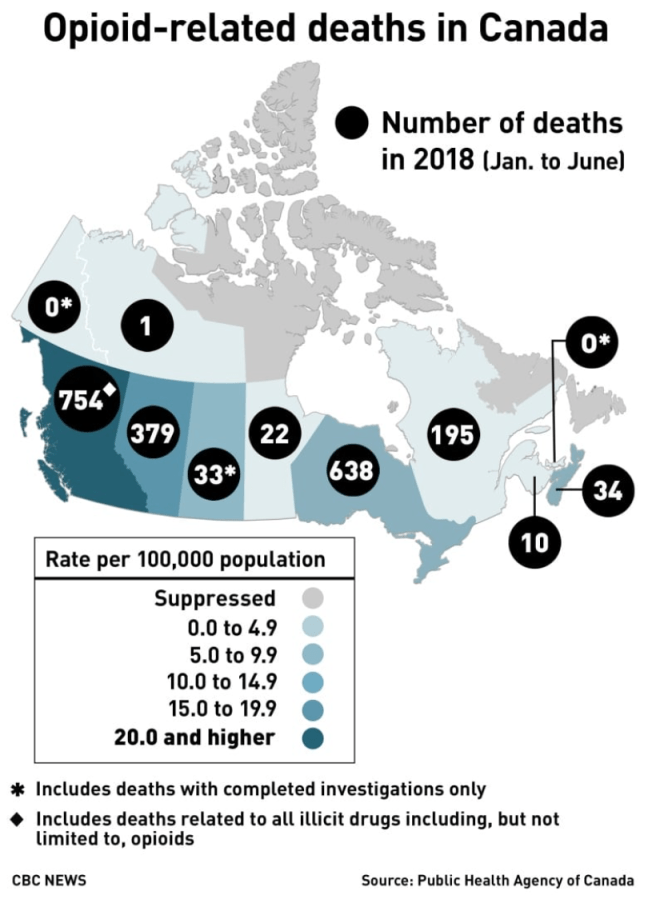
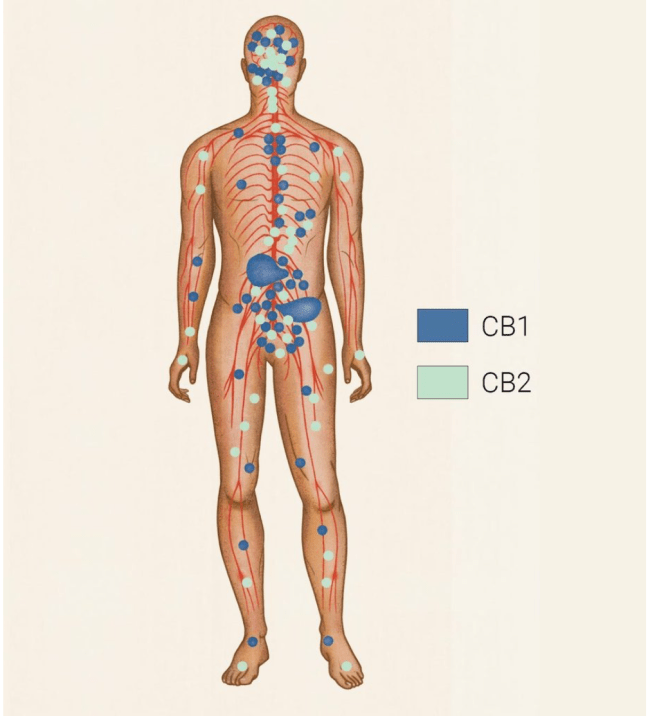
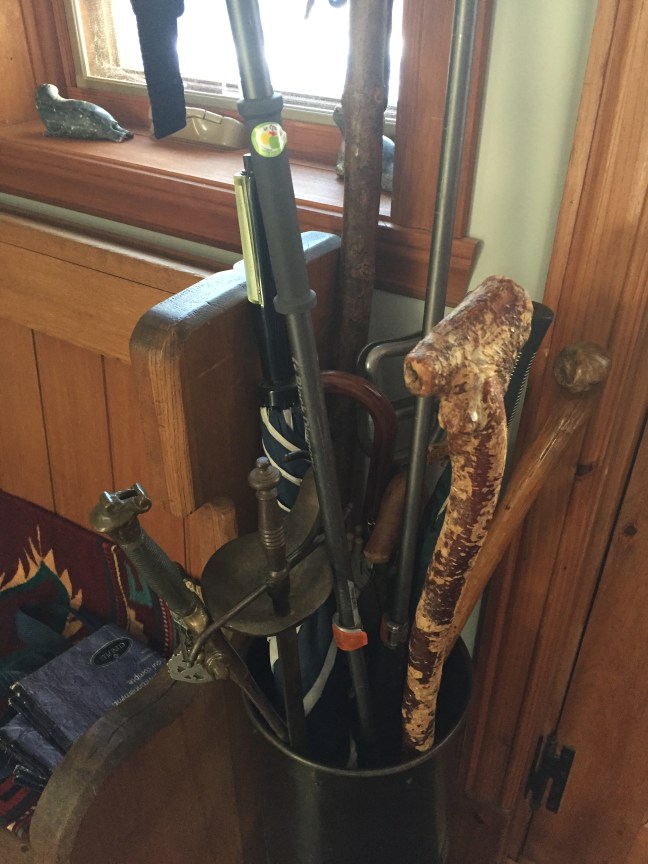
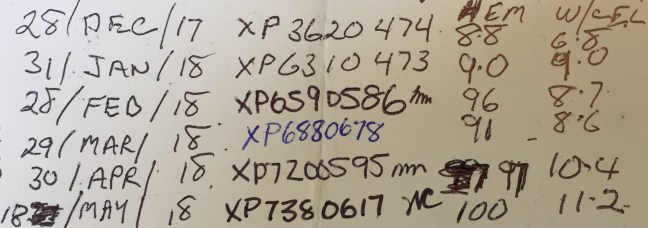
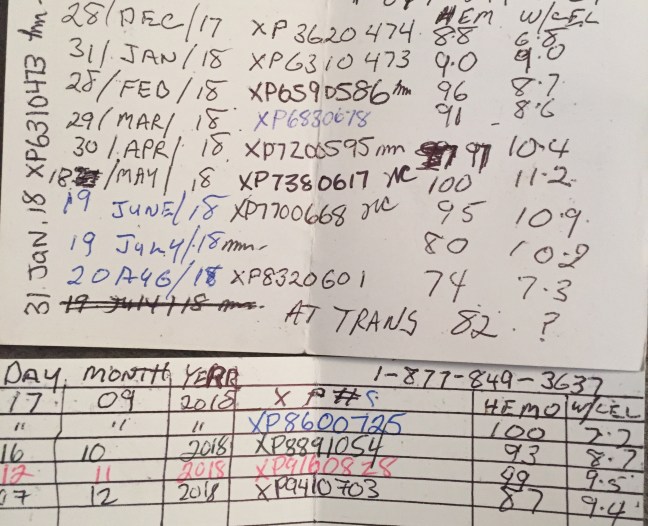
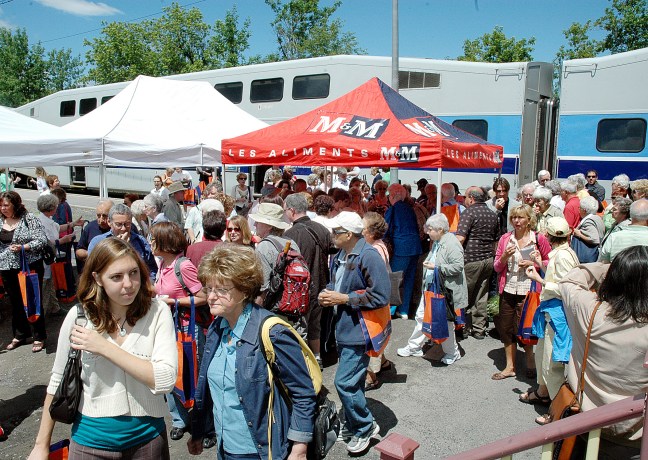

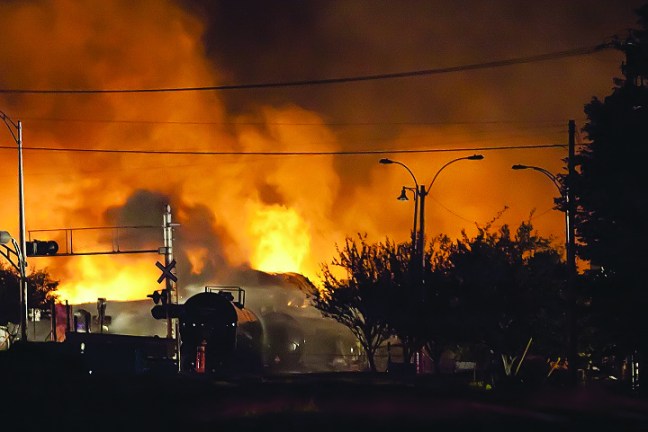
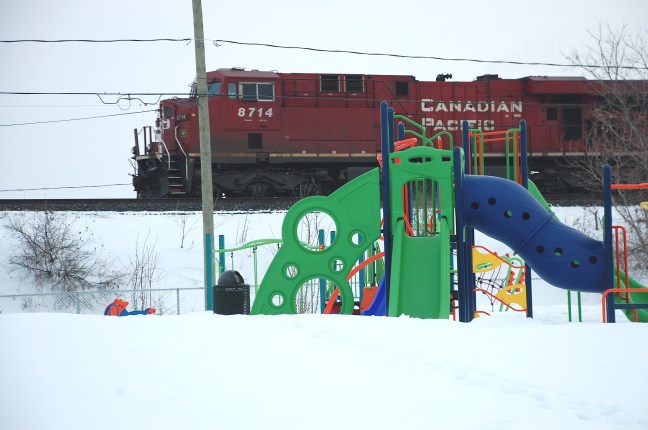

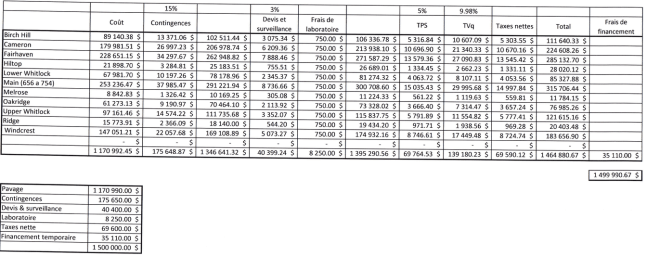
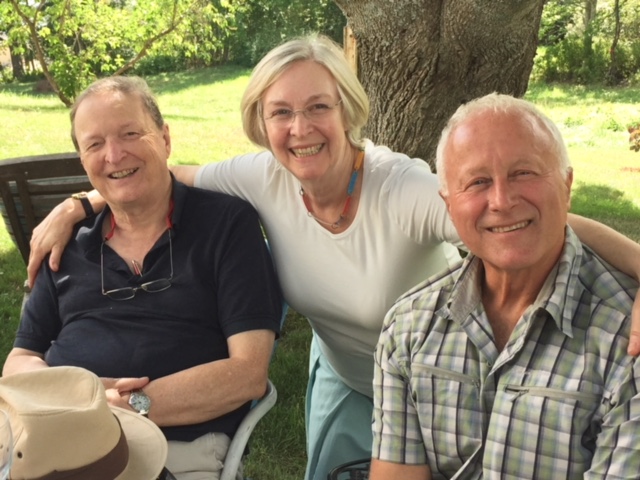

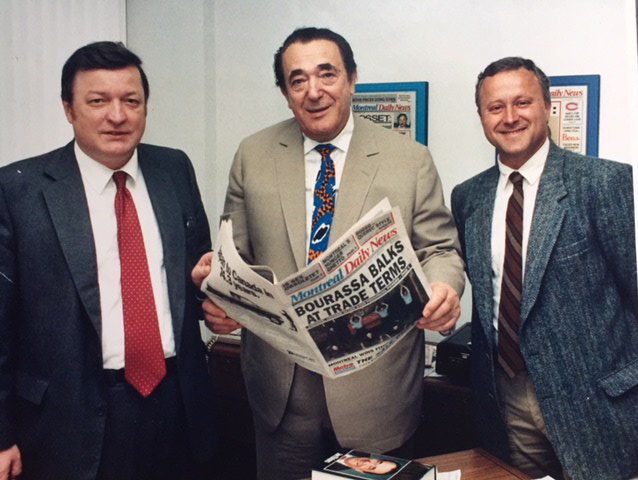
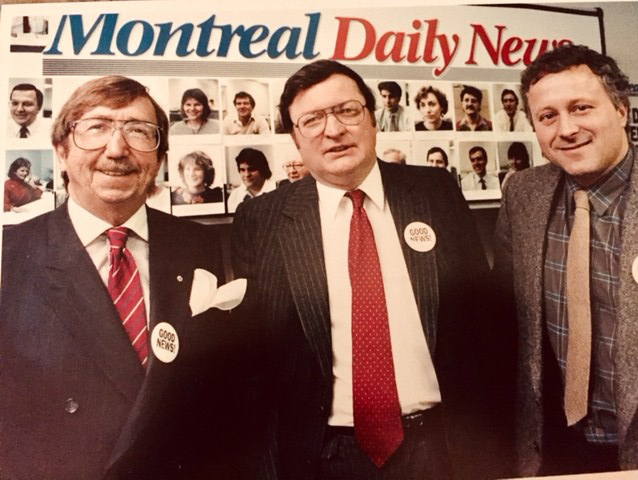





 thousandlashesdotca