Trilliums in bloom in the woodland between Sandy Beach and Royalview. Hudson’s mayor Ed Prévost indicated Monday the town and developer Nicanco are looking for compromise based on discussions following February’s public consultation. (Jim Duff)
Mayor Ed Prévost revealed Monday his administration and Sandy Beach developer Hans Muhlegg have been working on a proposal both sides are hoping will move the project forward.
Details will be made public, Prévost assured the meeting. Nicanco’s representatives had no comment.
The news came at the end of a 10-minute snarlfest between members of council and save-the-beach activist Richard Grinnell.
Grinnell, back from several months out of country, asked council whether it would honour its undertaking to hold a referendum on whether the town should try to buy all or part of the 60-acre wetland from the developer.
“Last fall, I came before the council and asked how many signatures it would require before you held a referendum to see about purchasing part of the Sandy Beach property,” Grinnell told council. “I was told 500. So I’m happy to report that I have 1,273, of which 543 are residents of Hudson. We desire to have a referendum held to see about purchasing part of the Sandy Beach property. Where do we go? I’ve done my part.”
Other than Grinnell’s first petition in December, Prévost said he wasn’t aware of Grinnell’s continuing efforts to sign up residents.
“I told you my policy is ongoing petitioning,” Grinnell fired back. “The director said I needed 500 and I now have more than 500.”
District 5 councillor Deborah Woodhead volunteered that she had put out the number, “not for a referendum, but to open the subject….Because there’s no issue, the town’s not going to hold referendum on an issue that doesn’t concern the town, there’s no reason to have a referendum, the last time there was a referendum it was about a bylaw change that went through. The land is not for sale, Mr. Muhlegg’s vision is that he’d like to build the land.”
Grinnell said he understood Muhlegg’s position and hopes Muhlegg understands his. “Over 500 residents of Hudson have signed the petition knowing that it means there were tax dollars to be spent and there’s a negotiation to be had. And I think there’s a deep concern there, that people would like to preserve that, and they’re willing to spend the money. The only way to find out is to have a referendum.”
Woodhead countered by noting that nobody has offered to donate their own money. “No one has come forward and said ‘Here’s $500. Let’s get the ball rolling so we can buy this land. Not one person in Hudson has come forward with any proposal.”
Grinnell persisted. “I’m saying that there is a desire in this town for this property to be purchased. In order to do that you have to sit down with Mr. Muhlegg and discuss with him…”
“There was one occasion when we’ve done that,” Woodhead interrupted.
“I wasn’t involved in that discussion but somebody else, I don’t know how they got permission but they were allowed to present him with an offer that was unacceptable.”
“Nobody was representing the town,” Prévost interjected.
“I was told that they were…it was in the paper,” Grinnell said.
“You shouldn’t go on hearsay all the time, you know,” the mayor snapped back.
“If that’s what’s in the paper, that’s what we have to go on.”
Woodhead chimed in: “You know that the paper is full of untruths. Full of untruths, every day.” (The room gasped.) “There are errors in the paper, and misquotes and that’s just the truth, the fact of journalism.”
Grinnell was on a roll. “I just want to know what to do with this. I want to know what to tell over 500 people in Hudson who are passionate about it? That nothing will happen, that the town doesn’t care? What am I supposed to do with it?”
“Deposit it, someone on council said.
“I will deposit it but we have to move forward,” Grinnell replied. “I have done my part. I have the signatures. People have signed it. They have said ‘this is the desire that I have.’ That’s a lot of people, over 500 signatures, and they have expressed this desire knowing that it will cost them money. Where do we go?”
Woodhead tried to change the focus. “Mr. Muhlegg has done everything the town has requested of him for the past 15 years while he tried to get his project to…uh some kind of fruition and completion. Everything and more.”
Grinnell wouldn’t be kissed off. “I understand that. I have no argument with Mr. Muhlegg. I like him and I enjoy sitting with him and talking with him and I’d like to buy his property. Whether he’s done everything right is not the point. The point is that…”
“If you and the citizens of Hudson would like to buy his property you have to negotiate with him,” Woodhead interrupted. “You and those 500 other people.”
District 2 councillor Ron Goldenberg waded into the fight. “Excuse me. While you were away, we discussed this several times over the last few months and just to fill you in, in case nobody else did, we questioned the veracity of your question.”
Goldenberg accused Grinnell of deliberately misleading people, scaring them by suggesting they would lose beach access.“It was non-legal, because first of all you didn’t mention that the town would have basically the same access to the beach area itself, which was terribly misleading and secondly, you didn’t mention anything about what the purchase price was or what Mr. Muhlegg had even asked for it. The question should say ‘would you like the town to buy the beach?’Yeah, of course I would like the town to buy the beach!”
“That’s what the question said,” Grinnell replied. “That was the direct question and people signed it, knowingly.”
“For council, it is not a legal question,” Goldenberg continued. “It’s biased, not valid. So how can we hold a referendum on that? It doesn’t make any sense. I understand everybody’s passionate about it. We know that, we understand that and that’s what we’re working on.”
Grinnell repeated his question about what he should do with his petition.
“We did not ask you to put this signature thing together. You presented them to us. We said well, get some signatures and then we’ll talk. We’re talking.”
By this point Grinnell was losing his temper. “No you’re not. You’re dictating.” He quoted a newspaper article citing Goldenberg as saying he had nothing to do with it.
“How can you tell me what I said when you weren’t even here?” Goldenberg barked.
“You’re getting way off base,” Grinnell snapped back. “Ron, get it back under control.”
Goldenberg got it back under control. “We’re not doing exactly what you want but given the situation we’re dealt with, we’re doing the best we can. You might not like it, you may not agree with it…”
Finally, after 10 minutes of increasingly irrelevant exchanges, Prévost exercised closure. “This discussion has gone on long enough. We had a town council meeting and we had a public presentation as well. We have a lot of comments and suggestions, modifications — you name it. We took all these and we met with Mr. Muhlegg and his associate and reviewed all issues to see which ones could fly and which ones couldn’t fly.”
The mayor said the town wouldn’t be bound by anybody’s expectations or timetable. “I have to say you’d be quite pleased the way we had a rapport in terms of give and take…we will of course be reporting on that – it’s not a closed agenda. We’ll be making it public.”
Grinnell reminded the mayor that he, Grinnell, represents 543 residents who are passionate about it. “It’s not just me. You’re an elected official. They’re telling you something.”
“Our responsibility is to the Town of Hudson,” Prévost replied. “Sandy Beach is a part of it, but only a part of it. It has to be scheduled into our other priorities.”
After the meeting I asked Muhlegg and urban planner Marc Perreault whether they had come to the meeting expecting a notice of motion for their latest proposal. They had no comment, so I asked them in whose court the ball now rests. “You could say in both courts,” said a third associate.
I’m on thin ice here, but I think Prévost realizes the razor’s edge his administration is walking on the Sandy Beach project. He should politely ask his councillors to abstain from opening their mouths before putting their brains in gear. From Prévost’s comments and Nicanco’s response, I also think both sides recognize the need to give to get. There’s another factor as well. Neither man is well, with time running out on Prévost’s term and Muhlegg’s ability to keep going.
That doesn’t mean the wily businessman is a pushover. Prévost told me in the past Muhlegg has a good legal case against the town. Muhlegg’s last words to me: “If we can’t build, I’ll sue!”
I see my friend and accomplice Peter Ratcliffe has been dabbling in local politics in my absence. I had delayed posting this in the hope that a wider public discussion would have taken root at this point in the election cycle. I was fooling myself.
Two people have assured me they’ll seek the mayoralty. Half a dozen others have told me or told people who told me, that they’ll seek election or re-election as a councillor. At this point, I would say not one has shown themselves to be qualified, but my rule is not to name names until they’re posted on the DGEQ website. As of today, Saturday, April 1, nobody from Hudson is a registered candidate, either for mayor or for one of the six council seats, so as of this moment it’s all talk.
I commend Peter and others for initiating any kind of process leading to naming candidates. What depresses me is that none of this is happening in public. There’s a Facebook group that meets over beers. Another would-be candidate has initiated something called a design charette, a process whereby a consensus on planning and development is arrived at. There have been several private meetings where potential candidates put out feelers to gauge whether they had any support. I appreciate the invitations but neutrality is important to me. If you attend one, you have to attend all and be universally mistrusted as a snitch. In Hudson, local politics has been a secretive process for as long as I can remember.
From the conversations on Facebook as well as on this and other sites, there seems to be general agreement on the problems and challenges facing Hudson — ageing infrastructure, rising overhead as a percentage of fixed costs, economic stagnation. Every budget, there’s less money available for discretionary spending without raising taxes or incurring debt. There’s also a sense of gridlock, of being trapped in a downward spiral that I think leads so many of Hudson’s citizens to throw up their hands in frustration and despair. Frustration and despair lead to talk of possible mergers, feeding into that negative dynamic. Just stop it and as Peter says, Just Fix It.
The major disagreements are over priorities. Shouldn’t safe streets, with protected spaces for pedestrians and cyclists, take precedence? Why isn’t the town taking a more proactive role in shaping and controlling development? Shouldn’t we be concentrating on quality of life and the survival of Hudson’s natural, architectural, cultural and recreational environments? How can we think about densification and development when there is not enough drinking water to fight fires and supply peak demand? Why would we need a new town hall and refurbished public facilities when all we’re doing is incurring debt and providing offices for full-time staff?
And that list hasn’t begun to scratch the surface.
As another election cycle approaches, the growing hubbub suggests this is the most important election in Hudson’s history and our fate as a functioning community is at stake. Bullshit. Quebec has designed and engineered municipalities to function on autopilot, with minimal input from its elected bodies. As long as Hudson pays its bills for policing, public transit and regional governance and harmonizes its bylaws with those of the three layers of government above it, Quebec doesn’t care how residents feel. Quebec feels it has discharged its responsibility by ensuring we have an adequate quantity of drinkable water, fire and police protection and waste management and nobody is stealing from the public purse. Everything else is our problem and the town has the discretionary taxation power to deal with it. Most of Hudson’s wounds, real and imagined, are self-inflicted First World problems.
Since it came into being in 1969 as the result of a referendum, Hudson has a history of alternating bitterly contested elections with acclamations. Taylor Bradbury was elected and re-elected because he vowed to keep taxes down. He kept taxes down by refusing to invest in infrastructure. By decreeing 30,000-square-foot lots the town avoided having to invest in sewers. Bradbury carries the curse of having refused to buy Sandy Beach for $275,000 but residents supported him at the time. Bradbury’s legacy: chronic parking problems, sewage-filled ditches, collapsing streets — but no public debt.
Mike Elliott was elected twice (1989 and 2009) because nobody else wanted the job. He and his first council were tossed out in part because a group fronted by Steve Shaar was pissed at Elliott for having spent town money to enact the pesticide ban, which would cost the golf clubs. They organized behind closed doors and paid for a bunch of attack ads in the Hudson Gazette to convince voters the Elliott administration had to go. (In the end Quebec’s golf clubs end-ran the pesticide ban by cutting a deal with the province that made them self-regulating, which they are to this day.)
Shaar twice won re-election (1997, 2001) because he had a shrewd sense of timing that would have gotten him a lot further in politics. Steve dealt with things when they needed to be fixed and often rolled up his sleeves to do it himself. He was masterful at forcing residents to accept compromise, even if it resulted in zoning aberrations. The 1998 Hudson’s Valleys/Alstonvale subdivision agreement gave the town the Cirko Trail and resulted in an entire sector of town that had to drive through Vaudreuil-Dorion to get to the commercial centre. Shaar’s 2001 deal with Nicanco resulted in another enclaved community. Nonetheless, Sandy Beach would have been built had it not been for Nicanco’s stubbornness when it came to conforming to fast-changinging environmental demands on developers. Shaar’s legacy: Hudson’s Valleys/Alstonvale, Sandy Beach (legally, the town can’t prevent development to the 2001 bylaws) Community Centre, Bradbury Park (and by refusing to finance any part of it, the Hudson Village Theatre, by forcing the arts community and its backers to mobilize).
Shaar’s untimely death due to cancer in January 2004 resulted in councillor Liz Corker taking over as interim mayor for the next 18 months before being acclaimed mayor in 2005. Shaar had already begun the grant and subsidy application process to pay for the sewage treatment system and water filtration plant/aqueduct upgrade but Corker had to get the loan bylaws approved by residents. I realize now we weren’t asking the right questions when the bylaws were presented, but who knew that LBCD, the town’s consultants on the project, had underestimated the total cost by a third? There was no public outcry when Corker explained the principle that a third of the town would pay two-thirds of the cost and vice versa. The first hiccup was Corker’s announcement in early 2008 that there was no money left for the $1M water hookup to the west end. Then there was a revolt by downtown landlords and property owners when they got their tax bills, prompting the first of many readjustments.
I suspected something was wrong with the way the town was dealing with its long-term debt but readers told me I was barking up the wrong tree. I wrote a series of stories in 2008 and 2009 adding up what Hudson owed and questioning why Louise Villandré, Hudson’s town manager and clerk since Bradbury’s time, wasn’t rolling the sewer and water loan bylaws into long-term debt. Instead, she was using the town’s line of credit to cover the interest and carrying charges on the bridge loans. When I asked Corker about it she told me to ask Villandré, who told me it was because the town was expecting grants from Quebec and Ottawa and there would be no point in transferring more of the bridge loans into long-term debt than was needed to cover the actual cost to the town. Villandré also said the town’s external auditors had signed off on the deal.
Corker’s legacy: Hudson’s sewer treatment system, water filtration plant, Sandy Beach Nature Park, the deal that gave us Whitlock West and another enclaved development in exchange for the Viviry Valley Conservation Area, the Perreault Point development in exchange for cash instead of a waterfront greenspace, Oakfields and the new medical centre.
Elliott was acclaimed mayor for the second time in 2009, after Corker decided her health wasn’t up to another term and Tom Birch, her heir apparent, had to make more time for his venture capital projects in the wake of the 2007 economic collapse. I detest acclamations so I called around to discuss possible candidates. Prévost’s name came up in a conversation with a fellow University of Western Ontario grad. Prévost declined for personal reasons. Along with Elliott, four of six councillors were acclaimed with a 40% voter turnout. (Tim Snow and Diane Piacente won their seats.)
Elliott wasn’t long on the job before he began feuding with Hudson’s fire chief Peter Milot. The fight was over a used ladder truck the department had purchased. It barely fit into the 50-year-old firehall and prompted the threat of a CSST shutdown Elliott himself engineered. It was part of a larger boys-with-toys issue Elliott had with the fire department’s independence, which he saw as a challenge to council’s authority. He forced a showdown. Both Milot and assistant chief James Campbell walked and Elliott began the process that culminated with $7M in loan bylaws to build a new station and re-engineer the public works yard, something the Corker administration had long discussed. (The Halcro Cottage relocation was a $300,000 byproduct.) Elliott took on the town planning advisory committee, replacing tenure with five-year terms with a new member named every year. Thus Hudson’s activist TPAC was declawed.
Mike is no fan of mine (I blew the whistle on his unpaid taxes) but I credit him with an intimate knowledge of the town and a real concern for its institutions. I’ve had arguments aplenty over his legacy but nobody, not even the SQ, MAMOT or UPAC found a shred of proof that Elliott enriched himself at public expense. Did he turn a blind eye to what Villandré was up to in exchange for her silence on his tax bills?
2013 was Hudson’s annus horribilis. Villandré was gone by April after treasurer Sylvain Bernard uncovered her fake billing system and her abuse of her signing privileges on the town’s line of credit, all covered by resolutions legally adopted by the Shaar, Corker and Elliott administrations. Elliott resigned by June, citing health issues after the SQ opened an investigation into Villandré’s defalcation. “Hudson has to bend a little,” he told me the day he resigned. A month later, we reported he owed approximately $65,000 in back taxes, interest and penalties. Since then, we’ve come up with our own motto for Hudson. Bend a little, spend a lot.
The leadup to the November 2013 municipal election was anticlimactic, with a lame-duck council led by interim mayor Diane Piacente hiring a new director-general, Catherine Haulard. It also rescinded a Villandré-era resolution that paid managers overtime. Otherwise, council’s hands were tied by the police investigation and a forensic accounting probe. Every fraudulent cheque Villandré signed had been co-signed by a member of council, so it was initially suspected that the rot was worse. The external auditors had signalled their concern in their annual report about certain ongoing practices they found irregular or questionable. Through four administrations, those statements never made it out of Villandré’s office and into the hands of the mayor and council. This is why the Prévost administration ended up having to pay Bourassa Boyer’s bill.
I’m told the Prévost administration thinks I’m too tough on them, unfair in my criticisms. In response I’d say no more so than with the Elliott, Corker and Shaar administrations before them.
Seven months away from the election, what have Ed Prévost and his council accomplished? On the plus side, they’ve cleaned up a mountain of garbage, though not without incurring considerable expense to the taxpayers. They managed their way through the SQ, UPAC and MAMOT probes. On a personal level, Ed came out clean after renegade councillor Rob Spencer let fly with a bucket of unsubstantiated shit about Ed’s dealings with developers.
The negatives? Analysis paralysis. Hiring hundreds of thousands of dollars worth of expertise to tell them what to think about everything from Pine Lake to a strategic plan. They were elected by more than 70 per cent of the turnout to fix the town. One of the first things they did? Turned around and ask the town for everyone’s strategic priorities, then spent the next two years and approximately $100,000 to draft an absolutely useless document. Why did we elect you if you needed us to tell you what to do?
Meanwhile, this administration still hasn’t adopted a conservation plan that will allow them to adopt a master plan that meshes with the harmonized master plans of the Montreal Metropolitan Community and Vaudreuil-Soulanges MRC. Surely to God somebody would have picked up on this at the MRC meetings and municipal federation workshops? They wonder why people mock them for the Fair Trade Zone, the eco-trolley, the performing arts centre and a third skate park in 20 years? It’s this finger-up-the-nose daydreaming that loses voters, not hard, decisive actions.
I confess to a bias against candidates with no record of attending council meetings before they were elected. Over the years, I’ve seen what happens when people with no clue of how things work try to cover up their cluelessness by spouting bullshit. None of the current council seems particularly embarrassed when they show their ignorance in not knowing how things are supposed to work by turning the floor over to Jean-Pierre Roy, Cassandra Comin Bergonzi or Natalie Lavoie to explain what the council should be able to explain. It makes me think they exhibit that same cluelessness in caucus meetings where it’s decided how much of our money is spent and on what.
It demonstrates why Quebec ensures that every municipality has a bureaucratic autopilot that can take over when les elus are too clueless to be allowed near the controls. Four years in, the current mayor and council keep making rookie mistakes. The level of transparency is abysmal, the worst I’ve seen since Jean Drapeau and Lucien Saulnier ran Montreal. My most recent discovery: last March, they restored the Villandré-era policy of paying managers overtime. Wasn’t this the same crew that carried on endlessly about town employee entitlements?
Ed Prévost wasn’t the best candidate in 2013. What Ed had going for him was that his opponent had done business with the town and was therefore suspect. I confess to having been the conduit for the facts used as ammo in Ed’s drive-by smear campaign against Jacques Bourgeois. I wish I could take it back. Jacques knew how municipalities are run, how the bidding system works, how the MRC and MMC regional governments operate. He knows Hudson far better than Ed ever will and had several excellent candidates on his slate. None of that would have made a bit of difference in November 2013 because Hudson voters wanted someone to punish. All Prévost had to do was point the finger and the witch hunt was underway. Shame on us all.
“Best election you ever lost,” my Louise likes to joke with Jacques when she runs into him. I remember another side of it, the time I got a call from Jacques’ granddaughter. She had heard me talking about Hudson’s scandals in front of a room of Westwood Senior students. She had asked Jacques if he was the person I was referring to. He called me, pleading to tell her what I knew. I left her a message telling her that I had no reason to doubt her granddad’s honesty. I hope she got it.
Some issues are bogus, like the development-versus-greenspace straw man being set up prior to this year’s election. In Quebec, development is an administrative process. It should not be a political debate. A municipality adopts a master development plan (in harmony with all those above-mentioned political considerations. A developer presents a project to the urban planning department. If and when it satisfies the zoning, subdivision and density bylaws laid out in the master plan, it goes before the TPAC, which suggests alterations or major changes depending on whether it is being proposed as an infill development or new subdivision. Once it makes it through the TPAC funnel, a recommendation is made to council. Council determines whether it should be approved or rejected. If it requires a zoning change, it is subject to approval by referendum unless the municipality and MAMOT agree it should be a PPU and therefore exempt.
Bottom line:
– Forget slates. The voters decide, not the candidates. The only time slates work is when a cohesive, coherent team of like-minded people can convince the voters they have the know-how and discipline to make a real difference. Hudson is a community of cliques, silos and competing personal interests. There is no cohesion, as we’ve seen in the endless squabbles over who should pay what for water and sewers. It will take leadership to unite all those warring factions. I don’t see any evidence.
– Forget election slogans. Back to Proud? Elect Competence? Team Transparency? In Hudson, what matters is why we shouldn’t elect someone. Prévost demonstrated that to perfection in the last election.
Noble principles and grand visions have their place, but not right now, not in Hudson. Most taxpayers will settle for four years of peace, order and good government. For me that translates into safe, maintained streets and sidewalks, people and dogs under control, enough good water, competent garbage and snow removal and the lowest possible tax bill. Anyone who can guarantee me that gets my vote.
Back from a whirlwind two-week rail jaunt through Japan, both of us sick as dogs with the mother of all head colds as I write this. We’d packed face masks, Vitamin C, Cold FX and echinacea. All it did was delay the onslaught. We ditched the face masks on the flight back, so there’s no telling where we caught it.
Wednesday, Feb. 22: Montreal to Chicago O’Hare on Air Canada, then Chicago to Tokyo Narita on All Nippon Airways. Re-read John Hersey’s 1946 Hiroshima. Hersey was an American journalist, the first writer to tell the story of what it was like to be among the survivors of the world’s first atomic bomb. It’s a little book, 118 pages, and widely considered to be the first example of what came to be called New Journalism, a terse factual writing style stripped of the writer’s point of view.
This trip is a pilgrimage. Hersey’s book was one of a handful my father bought as a young reporter and kept through a dozen moves. I was 14 when I first read it. It convinced me to become a journalist like Hersey, like my father. I have to see Hiroshima, to stand at Ground Zero, to visit the museum describing the horror in clinical detail and the memorials dedicated to the dead.
Another reason we want to visit Japan while we can: we’re convinced Donald Trump is clinically insane, incapable of rational judgment. We see the Republicans playing along, riding Trump’s bandwagon on a mission to hijack America. During our stay the Americans station THAAD missile launchers in Tokyo after three North Korean ICBMs splash into Japanese waters. Meanwhile, Russia’s Putin talks about the use of tactical nukes. How many nuclear weapons does it take to guarantee no more Hiroshimas?
Before leaving I drop a message to Sed Chapman, an American contributor to Quora, a site devoted to quirky questions and answers. Chapman has lived in Japan for years and I’ve come to appreciate his insight. Specifically, I ask him what the weather would be like and what first-time visitors to Japan should expect.
Chapman’s reply: “Draw a line due west from Tokyo. Everything above the line will be cold and rainy or snowy. The Pacific side will be warmer and maybe a little drier. I don’t think you need to worry about reservations as it is off season. You can always get hotel reservations in the larger train stations. Bring fleece, a rain parka, gloves and a hat. Get an umbrella here. Change money here. Bring card for cash at 7-11 and post offices. Download maps before you come.”
We plan our trip like we always do — I buy the Lonely Planet for Japan and Louise begins marking it up with a highlighter and sticky notes. We agree on musts and maybes. Eventually we will spend four days in and around Tokyo and two in Hakone, a popular tourist destination in the mountains west of Tokyo. Kyoto and environs get three days. We budget two nights for Hiroshima and leave the remainder of our two weeks open. We book Airbnbs in those four cities because as we discovered in Portugal, there’s no better way to experience a country.
We bring one IPhone to navigate, text, book lodging and stay in touch. For $10 a day, Telus offers a voice/data travel option. We end up never using the Telus plan because Japanese Airbnb hosts supply portable hotspot devices and WiFi can be found almost anywhere on our itinerary. Mindful of Chapman’s advice, we download everything from the Tokyo subway map to a universal booking app. We print out all Airbnb directions in Japanese as well as in English. We talk to people who have visited Japan. There are many ways to get around the main islands – by plane, bus, rental vehicle. Everyone advises us against driving ourselves. Japan drives on the left, Romance alphabet signage is spotty and it’s unlikely you’ll find an English speaker at a gas station. So we opt for a pair of Japan Rail’s 14-day unlimited passes.
Skinkansens have become an essential component of modern Japan, both as a symbol of national pride and as the backbone of the nation’s public transit infrastructure. (All photos by Louise Craig unless otherwise noted.)
Japan isn’t the only nation with fast trains, but Japan’s Shinkansen bullet trains are so advanced technologically and such a civilized mode of transportation, no other mode of intercity transit compares. To reach cities not on Shinkansen lines, narrow-gauge Azura and other Limited Express trains are slower and not as luxurious, but they’re as good as anything you’ll find in North America. Finally, suburban commuter trains open up infinite local possibilities to curious day-trippers, like the amazing bamboo groves outside Kyoto.
Travelling by rail in Japan is a snap. With the JR pass you reserve your seats at a JR office, which are everywhere. You show up at the station with enough time to browse through the kiosks selling bentos, beautifully presented box lunches with combinations of every conceivable edible — sushi, sashimi, maki rolls, rice balls, tofu, you name it. Everywhere, you’ll find hot and cold tea, delicious canned coffee, excellent Japanese beer. Sustenance in hand, you ask the ticket agent for the platform number and make your way to the pictograph showing you exactly where to stand to board your car. The train pulls in on time, you take your seat and relax. Sleep is not only possible, but widely practiced by the chronically sleep-deprived Japanese.
Tokyo’s subway map becomes comprehensible once you decide where you want to go.
Our introduction – finding our way from Tokyo’s Narita Airport to Shinjuku, a western suburb of Tokyo. Shinjuku, with three million passengers transiting per day, is the busiest transmodal station in the world. It has 200 separate entrances and exits to two train lines and four subway lines operated by half a dozen different carriers. JR passes don’t work here; the Japanese use a rechargeable cash card, either Pasmo or Suica, akin to Visa and MasterCard. Because passengers pay on the basis of distance, the turnstile will occasionally spit out one’s card because there’s not enough credit to cover the trip travelled. When that happens, the passenger goes to a bank of fare adjustment ATMs to pay the difference or refresh his/her cash card.
In Shinjuku we search for the entrance to the Marunouchi Line, which we will ride west for two stops to Nishi-Shinjuku. In vain we scan the hundreds of signs. Then, as we experience countless times throughout our trip, a sympathetic soul takes time from their own journey to see us to the right platform on the Marunouchi line four levels down.
Our Airbnb in Shinjuku. Fantastic location, chilly neighbours.
Once at Nishi-Marunouchi, another dilemma. Which exit? We emerge onto the street and head for a Seven Eleven convenience store (more on these later) where we’re supposed to meet up with our host. Except that at 6:30, the appointed hour, Masa doesn’t materialize. I wait with the bags while Louise finds a WiFi connection and reaches Masa. Wrong Seven Eleven; the right one is a 10-minute walk. Masa walks to escort us to his Airbnb apartment.
On the way, he cautions us against getting into conversations with anyone in the building. “I may have to shut down my Airbnb,” he confesses. Great. First night in Japan and we may be tossed out. Masa stops us on the sidewalk before we get to the building. “Wait here,” he says. “I want to check for the building superintendent.” As fate would have it, the woman herself sweeps out of the building and past us without a glance. Masa beckons us to the door and hands us the key. Just inside the door is a sign in Japanese and English. The English reads “Airbnb is not allowed in this building.”
The story has a happy ending. The apartment is modern, well-equipped and bigger than most Japanese hotel rooms. We don’t run into a soul for the next three days and the location is fantastic, within walking and subway distance of everything. That evening we walk toward Shinjuku’s bright lights and find ourselves in the beating heart of Tokyo and its 14 million inhabitants.
Old and new Tokyo
Three days of sightseeing follow, beginning with Shinjuku’s skyscraper district and an elevator to the top of Tokyo’s Metropolitan Government offices. From the observation deck one gets a sense of the sheer size of Japan’s largest city and the location of landmarks like the Imperial Palace. It’s a great city for walking — clean, safe at any hour and with spotless public bathrooms everywhere. But there’s a catch. Public trash receptacles are rare, so don’t expect to dump those sandwich wrappers or coffee cups just anywhere. (It’s considered gauche to eat while walking.) We quickly discover few bathrooms provide paper towels or blow dryers. You’re expected to carry your own package of all-purpose tissue and dispose of it in the toilet.
An aside on Japanese toilets. Occasionally, you’ll find old-school public bathrooms of the footsteps-on-either-side-of-a-hole variety, but everywhere we stay, the sanitary facilities are technological marvels, with heated seats that lower automatically, warm-water bidets and infinitely variable flush.
By the third day, we gain a working knowledge of the Tokyo subway system and feel confident venturing further afield. We take in the Imperial Palace, spectacular Japanese gardens with the cherry trees just beginning to bloom. We visit Shinto and Buddhist temples and watch security preparations for the 2017 Tokyo Marathon in Hibaya Park. We rubberneck our way around upscale Ginza with its luxury-goods shops for the 1% and six-figure playthings like a gold and bronze Bugatti Peyron.
Japan’s love affair with all things French results in architectural anomalies like this one.
An article in a tourist guide leads us to Kagurazaka, a hilly district known as Petite Montmartre, with cobbled streets and narrow alleys filled with little shops and stalls and an overwhelmingly French theme. There’s French music playing on loudspeakers, shops with French names. In one patisserie, we run into a gaggle of young women dressed up as geishas, something we are to see a lot of in Tokyo and Kyoto. They’re beside themselves when they discover that we speak French.
The Japanese are wild about all things French, and that appears to extend to Quebec. One loses count of buildings with French names, of cosmetics and lingerie advertising campaigns in French. Quebec maple syrup is a huge culinary hit. We spot $40 litre jugs of Quebec maple syrup, boxes of Leclerc maple cookies for $5.
N700 looks like it’s going 300 km/h when it’s stopped.
Tokyo behind us, we head for Odawara, a small city 40 minutes Shinkansen ride west of Shinjuku. It’s our first time on a bullet train so we’re like kids. We’re aboard an N700, the more modern of the two most widely used types. We loaf along at between 180 and 220 km/h, although the bullet trains exceed 300 km/h on the longer intercity runs. It’s like travelling on an extremely comfortable aircraft, with big reclining seats and all the legroom you’d ever want. An attendant passes with a refreshment cart. I go walkabout to explore the amenities and discover men’s and women’s toilets, big, comfy restrooms, powder rooms, Wi-Fi facilities and public telephones. A most civilized form of public transportation. Why can’t Canada build and operate trains like these?
Reservations in a Green car. First class, Shinkansen style.
Our Odawara Airbnb is steps from the station, upstairs from a bar and grill and across the street from a Lawson convenience store. Japan’s convenience stores are open 24/7. The two biggest chains are Lawson and Seven Eleven, American transplants now headquartered in Japan and spreading throughout Southeast Asia. They’re where you go to get cash from a Cirrus-enabled bank ATM. They offer an incredible range of reasonably healthy fast foods: nori-wrapped seafood rice cakes, hot skewers of beef, pork and chicken, meat or veggie-filled steamed buns and a decent cup of coffee or tea to take out. You can also pick up a mickey of single-malt scotch, several brands of excellent Japanese beer or sake and a decent bottle of red or white.
We had planned to use the Airbnb in Odawara as our base to hike and explore onsen (hot bath) country around Hakone, a popular weekend destination for exhausted Tokyo residents. We’d packed our bathing suits after seeing photos of ancient stone pools fed by volcanically heated spring water. It was a letdown to discover most onsens in that part of Japan are modern spas and swimming pools fed by a system of pipes from volcanic springs. Neither of us enjoys public hot tubs so we pass on the experience.
Wall-to-wall Hakone onsen resorts use volcanically heated spring water to fill commercial hot tubs and pools.
With two-day passes on the local train/bus system, we hike a few badly maintained trails and ride the cog railway to the volcanic formations above Hakone. Bad news. The first section of the Hakone Ropeway, an aerial tram crossing the mountain to Lake Ashi, is closed. They propose to bus us to the far end, where we can continue down to the lake. Except that they don’t mention that the other section closes at 4 p.m. So we ‘re ordered off the bus at the summit and forced to line up with everyone else for the trip back to the top of the cog railway. Why not just tell us before you piss us off?
This reluctance to volunteer information or deviate from established protocols is what irked us most about Japan. We experienced it more than once and found ourselves wondering how the country proposes to deal with the 2020 Summer Games and the huge influx of foreigners with no comprehension of Japanese. (Japan hosted the successful 1998 Nagano Winter Olympics but the numbers are nowhere near the same.) Eventually we were directed to a notice in Japanese and English to the effect the tram was closed for maintenance, but the onus was on us to ask.
Apart from the universal surgical face mask, custom masks abound. It’s not just about stopping germs. (Google)
To judge from the number of hacking, sneezing cold sufferers on the trains, we arrived in the midst of the high grippe season. Is this why so many Japanese wear face masks? There’s no gender or age pattern among mask wearers. Everyone from students to seniors wears them, serving behind counters, operating or taking public transit, biking and walking. Train conductors and bus drivers wear them. Subway packers wear them. Most are of the disposable surgical variety but we saw plenty of non-disposable masks in designer shapes and colours.
The wearing of face masks in Japan dates back to the 1917 Spanish influenza that killed millions worldwide. Since then, medical science has concluded that while it may prevent someone with a contagion from infecting others, the wearing of a surgical mask is no guarantee against catching something. Like the vaccination threshold to achieve herd immunity, over 90% of the population would have to wear masks to protect itself from contracting airborne illness. By my own rough estimate, the mask-wearing level in Japan is somewhere between a quarter and a third of the population. I’ve concluded mask-wearing is as much about signalling disengagement and laying claim to one’s private space as it is about hygiene. With a good shot of superstition.
Masks and smartphones. It seemed like almost everyone riding Tokyo’s incredibly complex subway and commuter train network is clutching their phone, many wearing earbuds. That or asleep and sometimes both. More than once we watch someone nodding off and dropping their phone. I can understand why they fall asleep. The Japanese work incredibly long hours, beginning in preschool. Jet lag meant we were up at 3 a.m. In the Airbnbs and hotels where we stayed, we’d hear people up and at it at all hours. Schools start at 8:30 and finish at 5:30 or 6; many seem to have adopted the British system of a daily break after lunch for physical activities before resuming classes. Most wear school uniforms, which extend to jogging outfits and backpacks. Daycare and juku (after-school tutoring), seems to be universal. There’s a critical public daycare shortage because accredited, regulated early childhood educators are underpaid. At the same time there’s an ongoing national scandal over unregulated private daycare and ‘baby hotels’ where overworked parents are forced to pay extortionate rates to park their infants with providers who don’t have to undergo background checks.
It’s common to see an exhausted mother on the metro, holding her sleeping toddler as they make their way home well after dark. My mind’s eye retains images of women bicycling through the rain, carrying two or more kids in bike seats with clear plastic covers.
There’s no promise of better to come. Japan has the oldest population of any major nation. In 2016, a United Nations estimate placed half its 127 million citizens over 46.9 years of age. Germany, with a median age of 46.8, is close behind. (China is 37.1, the U.S. is 37.9, the UK is 40.5, Canada 42. Japan, with an average life expectancy of 83, is the world’s highest, making it the planet’s canary in the demographic coal mine. Without significant immigration, its population hasn’t changed significantly in a decade. By 2030 it’s estimated there won’t be enough people in the workforce to cover the cost of entitlements. Already, universal free health care has given way to universal co-pay, with the individual responsible for 30 per cent of the bill up to a monthly co-pay cap.
An excellent Japanese craft IPA. Ageing in cedar casks mellows the hops and imparts a unique nose. Japanese microbreweries are springing up all over the country.
Not once during our stay do we smell marijuana being consumed in public; Japan’s draconian drug laws are a powerful dissuader. Japan’s drug of choice, alcohol, plays an essential role as a coping mechanism and release valve. Every major railway station features a Tully’s or or other franchise outlet where businessmen will drop by for a few belts and a light supper of drinking man’s food before continuing home. Later in the trip, we duck into a local bar to try shodju, a spirit distilled from barley, rice or almost anything else. Two of those disengage one’s brain from life’s ordeal. The exception to Japan’s obsession with public hygiene: pools of vomit outside the blocks of drinking establishments. Overconsumption is a way of life among Japan’s salarymen. Social activists blame the insatiable demands of the nation’s corporate overlords and greedy shareholders. Alcohol remains king.
Conversations with those we met throughout our visit reveal the deep concern for Japan’s future. Exploring the grounds of Onshi Hakone Park, built as a lakeside estate in Motohakone by a German doctor prior to WW1, we get to chatting with an elderly couple. Like the majority of Japanese who lived through U.S. General Douglas MacArthur’s army of occupation, they both speak good English. They have doubts about a world with Trump and worry about what will happen to Japan, with a falling birthrate, an aging population and almost no immigration to offset the demographic shift. Outside a grocery store in Odawara, we run into a woman who lived in the U.S. for four years. She wonders what will happen to Japan’s post-Boomer generations. They sign on to a life of hard work on the premise that they will enjoy the same quality of life when they retire. What they don’t know, she says, is they’re doomed to pay for the benefits of their elders while leaving none to look forward to themselves. What will happen when they find out they’ve been lied to?
Tuesday, Feb. 28: 5 a.m. wakeup call to catch the Shinkansen for Kyoto. Fitful sleep our last night in Odawara, punctuated by rowdy outbursts and the cigarette smoke from the bar downstairs. A lot of people smoke, but smoking in public is tightly controlled or banned in many places, so smokers restore their nicotine levels with a vengeance in local bars. If you don’t like smoke, don’t go in.
Louise and would-be geishas (Jim Duff photo)
In Kyoto we head to our Airbnb with a series of photos showing where to turn. We walk miles before I realize our host has started us off with a photo of a reflection. We’re headed exactly the wrong way. We retrace our steps and find our cozy apartment less than five minutes from the railway station. As soon as we figure out the essentials, like how to turn on the heating, we strike out for the commuter train that runs to Arashiyama, the site of an amazing bamboo grove that gives us new insight into the Japanese relationship with tradition. All around us, young men and women are dressed in traditional Japanese samurai robes, intricately brocaded kimonos and wooden sandals. Giggling girls hire rickshaws, not to be pulled through the narrow paved paths through the magical green glade but to pose for photos with the handsome young drivers. It seems to be a Japan-wide nostalgia among the young for a simpler, more formal life they attempt to recapture by dressing up. We find it indescribably touching.
Kyoto’s main railway station has become a tourist destination in its own right.
Kyoto is a stunning city straddling a river and surrounded by mountains. It contains a significant percentage of Japan’s oldest structures because it was largely spared by the B-29s and major earthquakes. From massive Buddhist temples and 300-year-old neighbourhoods to art-deco towers and the unforgettably beautiful Ponto-Cho and Gion quarters, Kyoto is an ideal walking city. Kyoto’s subway (use that Pasmo or Suica card) isn’t anywhere the size of Tokyo’s, but it makes it possible to see more in a day — and that includes a strolling lunch through the spectacular Nishiki market.
Kyoto’s Nishiki Market is a seafood lover’s dream.
We begin at the downtown end, eating our way east. We start with seven-spice rice crackers and burdock soup, followed by pickled vegs and slices of barbecued rare breast of duck, smoked baby squid, marinated tuna sashimi, multi-flavoured peanuts, bean gelatine in powdered green tea, smoked shellfish and a Kyoto delicacy, a salad of tofu skin and baby setake mushrooms washed down with Kirin draft beer and black soybean tea. We marvel at $500 handmade knives and $100 titanium chopsticks.
Tuesday, March 2: Thus far we’ve been struck by the formal politeness of the Japanese. Best example so far: train conductors bowing upon entering and leaving each car. Today, the driver of the #59 bus gets out of his seat, walks around to the side door, pulls out a folding ramp, then helps a wheelchair-bound passenger into a wide central space served for handicapped passengers. Everywhere, ways are found to adapt. There is unfeigned compassion for the challenged and infinite patience for the elderly. Traffic lights are leisurely, with a chirp-and-echo system to guide the blind. Teens jump to give up their seats on public transit. People offer help to tourists buried in their maps.
Conferring on directions draws a crowd and usually requires two maps and two apps.
Kyoto’s Imperial Palace is 63 hectares of gardens, forests, shrines, temples and royal compounds dating back to the 12th century. Couldn’t get into the Sendo Palace grounds without lining up for four hours on the off chance of getting a pass. So we hike to the main palace compound and get in with a numbered tag. They keep crowds down because it’s more orderly. The compound provides an architectural explanation of how Japan’s hereditary monarchy is central to the nation’s sense of social stability, something we’ve witnessed in other southeast Asian nations. Japan’s Emperor is no longer considered as a deity (WWII and Emperor Hirohito’s backing of Japan’s hegemonist military-industrial complex ended that) but the Royals play a stabilizing role. The gardens are breathtakingly beautiful.
Even if you’re not into formal Japanese gardens, one can appreciate the perfection of Kyoto’s Imperial Palace.
We head to a cafeteria on the palace grounds for lunch. Udon curry chicken noodles with ginger, mushrooms, salad and tofu sides. Simple, hot, filling and incredibly delicious for 400 yen each. Japan’s currency is easy for Canadians to figure out. Think of a thousand-yen bill as $10. Everything below that is in 500, 200, 100, 50, 10, 5 and one-yen coins. (Suggestion: keep 10,000 and 5,000-yen bills separate so as not to mix them up) This is a cash society, so forget credit or debit cards unless you’re at a cash machine or in a high-end shopping district. If you’re confused, a cashier will pick the right change out of your hand. You’ll get a receipt for everything because there’s a value-added tax on every transaction.
Kyoto’s Golden Temple: Trump might get ideas for the White House.
Last stop in Kyoto : the Golden Temple, best reached via bus with a 500-yen one-day pass. It’s an impressive little building in a beautifully manicured setting. It’s fascinating because of the sheer volume of selfie-snapping, candle-lighting, incense-lighting visitors for whom the site is a pilgrimage to wishful thinking, like buying a spiritual lottery ticket.
Friday, March 3: We took the 8 a.m Shinkansen to Hiroshima.
I • A Noiseless Flash “At exactly 15 minutes past eight in the morning, on August 6, 1945, Japanese time, at the moment when the atomic bomb flashed above Hiroshima, Miss Toshiko Sasaki, a clerk in the personnel department of the East Asia Tin Works, had just sat down at her place in the plant office and was turning her head to speak to the girl at the next desk.”
That is how John Hersey begins his 1946 narrative on the effects of the world’s first atomic bomb used on a city. First published in the New Yorker’s Aug. 31 edition, it is quickly reprinted in book form as Americans come to realize the human toll of all-out nuclear war. More than 70 years later, there’s no official number of victims: 100,000 plus died in the blast or the days that followed, 140,000 by November, 200,000 by 1947, 250,000 dead by 1950. One’s survival depended on proximity to the blast and factors like the colour of one’s clothing, or whether someone suffered flash burns before he or she was exposed to fallout.
Schoolchildren and tourists from across Japan and from around the world make their way to Ground Zero
But all that comes later, at the museum where the Japanese penchant for documented accuracy includes pieces of granite and concrete with human shadows seared into the stone as their owners were vaporized. There are fragments of clothing, lunchboxes, eyeglasses and anything else left to identify 40,000 schoolchildren brought in to the city core to help authorities clear fire lanes for an expected American incendiary attack. There is also a dispassionate layperson’s description of the differences between the U-235 device that incinerated Hiroshima and the plutonium bomb that levelled Nagasaki days later to force Japan’s capitulation and end WWII.
I thought I was prepared for the sight of Ground Zero. I wasn’t. You walk around a bustling city corner. Directly in front of you is the famous skeleton of the domed tower, the ruins of the Hiroshima Prefectural Industrial Promotion Hall. I realize now it was the juxtaposition of the ruins with the throb of life all around it, but for minutes I stood paralyzed by the blast of emotions.
The remains of tens of thousands of Hiroshima’s unidentified atomic bomb victims lie under this dome of bare soil.
Hiroshima is built on a river delta. Across one of the branches from the memorial is an eternal flame and cenotaph under which are listed the names of every known victim. On the far side of the plaza is a dome of bare earth, perhaps 10 metres in diameter. Under it lie entombed the ashes and remains of thousands who were never positively identified. A group of elementary students bow to the cenotaph while another class waits its turn. They come from all over Japan and they never stop coming.
Schoolchildren from across the country pay their respects to the dead at the cenotaph and eternal flame.
At the far end of the exhibits is the Visitor’s Hall containing U.S. President Barack Obama’s hand-written message and the paper cranes he made. “We have known the agony of war. Let us now find the courage, together, to spread peace and pursue a world without nuclear weapons.” As of February 2017, the Mayors for Peace initiative has 7,219 member cities in 162 countries and regions. Their goal: a worldwide ban on nuclear weapons by 2020. Whether you’re a believer or not, pray.
The Children’s Peace Monument in memory of Sadako Sasaki, who was two when the bomb was dropped. When she was 11 she developed leukemia and became convinced that she would live if she folded 1,000 paper cranes, the Japanese symbol of longevity and happiness. She died before completing her task but her story motivated her classmates to continue. The kiosks are filled with origami cranes from across Japan and around the world and they keep coming.
Publicly, anyway, the Japanese tend to rationalize America’s use of nuclear weapons to end a war their leaders were ready to fight to the death. Their own governments stop short of acknowledging the atrocities committed by Japan’s Imperial Army in unprovoked attacks on China and the brutal occupation of its southeast Asian neighbours. On the other hand, millions of Americans still believe the perfidy of Pearl Harbor and the loss of American blood in battles across the Pacific justified taking the lives of hundreds of thousands of civilians whose only connection with the war effort was being told to support it or else. Weeks later, I’m still incapable of rationalizing anything connected with Hiroshima. As at Jerusalem’s Yad Vashem, it’s impossible to walk through the evidence of human suffering and not be overwhelmed by the horror and grief. Alone, I hike up a washed-out garbage-strewn forest trail to a Buddhist stupa overlooking a cliffside cemetery and stand dazed overlooking the city. I can’t remember the hotel where we spend the night, but I couldn’t sleep.
Saturday, March 4: We have to leave Hiroshima. We’ve booked nothing. So we pick Matsumoto, a small city in the middle of the Japanese Alps. It means a day spent travelling, first taking the Sakura 580 on the Shinkansen line to Shin-Kobe, the narrow-gauge Hikari to Nagoya and finally the Shinano 11 to Matsumoto. We grab a couple of steamed pork dumplings and donuts at a platform kiosk in Nagoya before heading into the hills, through tunnels and bamboo forests being harvested for construction scaffolding, past farm villages clad in solar arrays.
Our spirits lift the moment we step off the train. The movements of Japanese trains are punctuated with ringtones. You’ll hear snatches of Mozart, Schubert, Beethoven along with lesser composers. You may catch a synthesized Gershwin riff or a Beatles refrain. But this was the first time we’d heard anybody welcome a train’s arrival. As we pull into the station, a woman’s voice with a smile in it sings out “Matsu-mo-toe.” We can’t help smiling back.
We check into the new Hotel Richmond, where we are to spend three of our last four nights in Japan. Matsumoto is an old city. Although it has been extensively rebuilt over the centuries, the Black Castle, built in 1598, is one of just five Japanese wooden castles of original construction. The castle charges admission, but that includes an English-speaking guide who provides a blood-curdling history lesson on how the Portuguese taught the Japanese to use early firearms against one another.
Matsumoto’s Black Castle has witnessed 500 years of warlords, shoguns and samurai and has the weapons and illustrated accounts to prove it.
We stop at a sweet potato shop for a bag of fries and strike up a conversation with the Akiyama family – Masahiko, Chisato and their son Masaki. Masahiko, the production engineer for a medical equipment manufacturer, lived in the U.S. and visited Niagara Falls, while Chisato teaches English in a school and Masaki is getting a good basic grounding. The more we walk and talk, the more we get to like this young family. We trade business cards, which in Japan is a significant gesture, and talk about getting together before we leave. Then I head to a serious drinker’s bar where I sample shodju, a distilled liquor known for its anaesthetic qualities. They weren’t lying.
Mount Norikura Ski Centre, where spring skiing will continue long after the cherry blossoms are gone in Tokyo.
Sunday, March 4: Highland Express (it’s neither) to the delightfully named hamlet of Shin-Shin-Shima, then by bus to the foot of Mt. Norikura, one of the country’s most popular ski centres. Spring skiing is at its peak and here we are without any clothing or equipment. So we ask the Kanko Centre receptionist where the snowshoe trails begin. She looks down at our hiking boots. Her gestures suggest the snow is up to our knees. Hey, no harm in trying, right? Hiking map in hand, we set out on the main road into Norikura Park. The snow is well-travelled and hard underfoot. Plenty of snowshoe tracks and the recent passage of an experienced freestyle cross-country skier make us feel cocky.
Reminds us of the Aerobic Corridor
The main track is just like a wide, rolling Laurentian foothills valley, with birch and cedar groves and names like Whistling Track, because the downhill supposedly makes you feel like whistling. Except that we aren’t whistling. By now, the heat of the high-altitude spring sun had softened the snowpack sufficiently that we sink every dozen steps. We press on for a couple of kilometres just to say we have (and to catch a tan) before stopping for a picnic lunch at a summer campsite. We beetle our way back to the reception centre just in time to catch the Shin-Shin bus.
Back in Matsumoto, we realize we’ve made a one-day mistake in our plans, so we rejig our hotel and train reservations to allow for an overnight in Nagano, host city of the 1998 Winter Olympics, where we hope to see snow monkeys. After considerable deliberation we sup at the Everest, a Nepali restaurant for a $13.50 set menu of chicken curry, butter naan and a tray of other excellent samplings washed down with Nepalese Everest beer. I suspect business is slow; everyone from the owner on down is glad to see us.
Monday, March 6: Up before dawn to catch the Shinano to Nagano. Over breakfast we catch up on news from back home, dominated by stories of Trump stomping around in his bathrobe, supervising the wrapping of White House phones in aluminum foil and raving about Obama bugging the White House. It’s the perfect mindset with which to visit a valleyful of monkeys.
The monkeys busily check one another for lice as photographers go bananas.
They’re not cheap, these snow monkeys. A one-day pass is $35 per adult. That is until we learn this includes a 90-minute bus ride from the train station to the mountains and back and admission to the park filled with the hot springs where the monkeys spend the cold months. The entire back page of the pass is filled with terms, conditions, guidelines and disclaimers. Rest rooms are few and far between. No handicapped access, absolutely no swimming or bathing with the monkeys (Masahito told us he knew someone who had tried it and the monkeys beat the crap out of him). Don’t let kids wander. Monkey behaviour is unpredictable and they may have decided against a day at the pool. Watch out for other wild animals, poisonous plants and venomous snakes. It can snow a lot and get really cold and chilly. The path in and out is long, muddy and slippery. Crampons are available.
The place is jammed, both with monkeys and their human cousins. The monkeys hang out in the hot pool or nearby, picking lice off each other and eating them with enjoyment. The visitors get as close as they can with some of the most expensive camera equipment available, snapping thousands of photos. The monkeys totally, utterly ignore the humans except for one hopeful oldster hanging out on the bridge to the site, begging. It’s the best therapy for Trump poisoning.
Tuesday, March 7: We head back to Matsumoto via Nagoya, both bone-weary and drained from another cold day in the mountains. In the flurry to get off the train in Matsumoto, I leave my trusty canvas shoulder bag on the seat in front of us as I wrestle both carry-ons off the overhead rack. I always carry my passport, JR Pass, current ticket and wallet on my person but my asthma and heart meds are in the bag. So is my writer’s notebook.
We’re directed to JR’s Lost and Found, the last door in a dusty corridor where it appears that employees who have seriously screwed up are left to die of boredom. The office looks like a throwback to a ‘50s cop film with old phones, old desks and old guys with pocket protectors and vacuous expressions going through the motions as they wait for 6 p.m. and a few wets. None speaks English. Clearly, this won’t work. Brushcut, the guy with the unfortunate task of taking our complaint, finally picks up the phone to call a JR supervisor who speaks good English.
The train that dropped us in Matsumoto is a double-ender now heading back to Nagoya, then back to Matsumoto, she explains. But it wasn’t that simple even if the train crew finds my bag. Although these were all JR trains, they’re operated by partners, so each has its own lost-and-found protocol and the Nagoya lost and found department head would most likely not agree to place the bag back on the train because he would become responsible for it and the boys in Matsumoto would not likely take responsibility for it.
Another phone rings as she’s explaining all this. Combover, the other guy, answers, listens and put it down, then relays the message to Brushcut who relays it to the woman on the phone, which he then hands back to me. “They found your bag,” she says.
“When does the train leave Nagoya?”
“Five o’clock. But there’s a later train to Nagoya so you can go there and pick it up.”
“Look, I understand nobody wants to be responsible for this but I’m flying back to Canada tomorrow and I don’t like travelling without meds. I’m not taking another train to Nagoya and back to pick it up when your people can put it on the train. I’ll buy a seat if that’s what it takes.”
In the midst of this, Louise walks out before she loses her shit. I recognize my situation is hopeless but there’s that devil in me that wants to see if I can make someone snap.
“You understand…nobody is willing to take responsibility for your bag,” says Miss Helpful. “Perhaps you have someone who could send it to you in Canada…”
“So let me understand this. None of your three employees in this room will lift a finger to help me because it means they would be responsible and might have to stay after hours. Is that official JR policy?”
“I…I can’t answer that.”
“Did you even ask them?”
“No.”
“Did they offer their colleague in Nagoya that option?”
“No.”
By now it’s too late. The train has left Nagoya for Matsumoto. Brushcut walks away, leaving me to Combover, who pulls out an IPad and finds the Google translate voice-to-message-to-voice app. He’s offering me to forward my bag from Nagoya to Matsumoto. Whoever picks it up will have to pay the cost.
I tell him via Google Lost in Translation I might have a name of someone but I would have to check with him first before imposing. My concern is JR will go after him for the cost of everything, including the time of the lost-and-found clowns and the interpreter.
He sighs and writes his name in Japanese, along with a phone number. “He call me, okay?”
I thank him and bow. Celebrate the little victories, like a break with protocol.
I’ve saved the best of our trip to Japan for last. While in Nagano, we receive an email from Masahito and Chisato inviting us to dinner our last evening in Matsumoto. Chisato and Masaki picked us up outside our hotel and whisks us through Matsumoto’s busy suburbs to their tidy home. We drink tea and talk on floor cushions around the heated table, one of the best inventions I’ve seen when it’s below freezing outside.
Supper with the Akiyama family: Masaki serves simmered watercress as Chisato looks up a translation while Masahito enjoys the moment.
Masaki, leads his class in math-obsessed Japan. He shows us how he uses an abacus to compute. So we challenge him to what a typical Grade 3 student in Canada would be learning. He looks confused, then reaches for his exercise book to show us what he has to master. It’s filled with multiplication and division problems involving 10-digit numbers and multiple decimal points. He did them in after-school and checked to ensure they were correct. They aren’t permitted calculators, not even in advanced math. No wonder he’s confused. I feel ashamed at what we’ve visited on our children. I would not be surprised if the Japanese government sees danger in teaching this nation’s youth English so they can seek their fortunes in a world they can excel in.
It’s a delightful supper of thin-sliced yellowtail and fresh watercress fast-cooked in a boiling nori-flavoured broth, then dipped in a variety of spicy sauces. The centrepiece is surrounded by delectable homemade dishes. Chisato pours Louise a glass of homemade yellow plum brandy while Masahito shows me how to pour a friend a glass of Asahi pilsener, then allow the friend to return the favour. We pour our own from there and dawdle over dessert.
Masaki, math whiz and class comedian.
Then it’s talent time. Masaki plucks out “Raindrops Keep Falling on my Head” on his new ukulele while we sing along. Then it’s his father’s turn, sharing “Country Road” on his guitar. Chisato uncovers the piano and plays a beautiful minuet I’ve never heard. By 8:30, it’s everybody’s bedtime and we begin the goodbyes.
There’s one more thing and I regret asking it. We tell them the story of the bag. Never mind the meds or the bag, but I would like to recover my notebook and my Bhutanese medicine pouch. Is there any way that you could send them to us? On the table I place what it would cost in yen to send something of that size and weight to Canada. Their only reaction? Trying to hand me back my money. I hand Masa the piece of paper with the name and telephone number of the JR guy.
Since our arrival, they’ve taken the time to update us on the bag’s journey, beginning with its arrival from JR. Masa tried to send me the medications but I told him it might cause more trouble than good. A week later, I got the Japanese equivalent of an ExpressPost envelope with my notebook in it.
In the end, it’s not the country you visit. It’s the people. Thank you, folks, for a wonderful visit.
Carp in a temple pool in Kyoto ponder the appearance of a new species in their midst.
As the Good Book says, it’s human nature to decry the mote in another’s eye while failing to discern the beam in one’s own.
On one of the threads on the outrage over McGill department head Andrew Potter’s post-blizzard analysis (posted below) in Maclean’s, I suggested that Quebec has collective myopia when it comes to its shortcomings, especially when they’re described in English by a non-francophone in a publication with a history of Quebec-baiting.
More specifically, I posted on a Potter Facebook thread Mais tu n’est pas un vrai québécois, alors t’n’a pas le droit de critiquer.
My intention was to channel the irony of all these people crapping on Potter for saying many of the same things that they would accept from Françoise David or the FTQ.
Someone called Olivier Reichenbach asked me to describe un vrai québécois and I’ve been thinking it out since. Un vrai québécois, c’est someone whose antecedents arrived in Quebec prior to the Conquest, whose only language is French and whose shared values are dictated by a handful of commentators, entertainers and a wooly consensus that Trump is evil while immigrants are Quebec’s greatest social ill.
Un vrai québécois sees no irony in the Bloc Québécois, a federally chartered and constitutionally legitimized political party dedicated to the breakup of Canada. Un vrai québécois sees no dissonance in accepting $2 billion in federal transfer payments from Newfoundland/Labrador and Alberta while demanding that the Energy East pipeline to tidewater not be allowed to pass through Quebec.
Un vrai québécois decries the ghettoization of cultural communities, yet sees no irony in creating French-speaking ghettos in Florida or demanding services en français wherever they go because their self-imposed language laws have ensured that more than six million Quebec residents can only describe themselves as functionally unilingual.
Potter’s core hypothesis as I read it is that Quebec has broken its social contract with its citizens by its failure to provide essential services where and when they’re needed. I didn’t like the examples he put forward to support his hypothesis because they were weak, anecdotal and easily challenged. I would have described how healthcare is rationed in Quebec through the simple expedient of refusing to licence enough doctors, letting people rot in ERs and redefining what constitutes elective surgery.
I would have noted how, after five years of Jacques Duchesneau, UPAC, half a dozen major pieces of legislation and innumerable regulatory changes, the core recommendations of Judge France Charbonneau’s inquiry have not been implemented and evidence suggests corruption remains rampant (the Roxboro snowclearing contract on the 13 is the ideal example of why the SEAO’s low bidder system of designated bidders is a handy fiction.)
It’s also too bad that Potter fell into Maclean’s trap of turning this into another exercise in Quebec-baiting. If Maclean’s was a reputable publication, its editors would have assigned reporters to a national story on how all governments have broken their social contracts with their citizens and how this drives the growth of populism worldwide.
Look no further than the Trudeau Liberals. As Paul Wells writes in today’s TorStar, It’s a mystery how the Liberals are encouraging innovation and helping the middle class: Paul Wells, today’s budget will do nothing to correct the growing tax inequity on the mythical middle class.
Whereas someone earning $200,000 will get significant tax relief, Wells quotes Finance Minister Bill Morneau’s own numbers to show a family grossing $45,000 gets squat.
So where do the Trudeau Liberals get off saying they’re helping the middle class?
They’ve already broken their word to begin the electoral reform process, one of a growing number of initiatives they’re no longer in any rush to put into practice, especially not those dealing with greater access to information.
Potter’s analysis could have been the starting point for a profound dissection of why populism is guaranteed to gain support in Canada.
Instead it was attacked from all sides and its author reduced to begging for forgiveness.
The only victim of this particular Facebook lynching was the truth.
Here’s the reposted Maclean’s article, with corrections and Potter’s apology.
How a snowstorm exposed Quebec’s real problem: social malaise The issues that led to the shutdown of a Montreal highway that left drivers stranded go beyond mere political dysfunction Andrew Potter March 20, 2017
A woman shovels snow from around her car following a winter storm in Montreal, Wednesday, March 15, 2017. (Graham Hughes/CP) A woman shovels snow from around her car following a winter storm in Montreal, Wednesday, March 15, 2017. (Graham Hughes/CP)
Controversy that erupted in Quebec immediately after this piece was published caused the author to write a Facebook post, which can be found here. We also wish to correct two errors of fact. Due to an editing error, a reference in an earlier version of this piece noted that “every restaurant” offered two bills. We have clarified this to say “some restaurants will offer you two bills.” We have also removed a reference in an earlier version noting that “bank machines routinely dispense fifties by default.” Major public crises tend to have one of two effects on a society. In the best cases, they serve to reveal the strength of the latent bonds of trust and social solidarity that lie dormant as we hurry about the city in our private bubbles—a reminder of the strength of our institutions and our selves, in the face of infrastructure. Such was the case in New York after 9/11, and across much of the northeast during the great blackout of 2003. But sometimes the opposite occurs. The slightest bit of stress works its way into the underlying cracks of the body politic, a crisis turns those cracks to fractures, and the very idea of civil society starts to look like a cheapo paint job from a chiseling body shop. Exhibit A: The mass breakdown in the social order that saw 300 cars stranded overnight in the middle of a major Montreal highway during a snowstorm last week. The fiasco is being portrayed as a political scandal, marked by administrative laziness, weak leadership, and a failure of communication. And while the episode certainly contains plenty of that, what is far more worrisome is the way it reveals the essential malaise eating away at the foundations of Quebec society. Compared to the rest of the country, Quebec is an almost pathologically alienated and low-trust society, deficient in many of the most basic forms of social capital that other Canadians take for granted. This is at odds with the standard narrative; a big part of Quebec’s self-image—and one of the frequently-cited excuses for why the province ought to separate—is that it is a more communitarian place than the rest of Canada, more committed to the common good and the pursuit of collectivist goals. But you don’t have to live in a place like Montreal very long to experience the tension between that self-image and the facts on the ground. The absence of solidarity manifests itself in so many different ways that it becomes part of the background hiss of the city. To start with one glaring example, the police here don’t wear proper uniforms. Since 2014, municipal police across the province have worn pink, yellow, and red clownish camo pants as a protest against provincial pension reforms. They have also plastered their cruisers with stickers demanding “libre nego”—”free negotiations”—and in many cases the stickers actually cover up the police service logo. The EMS workers have now joined in; nothing says you’re in good hands like being driven to the hospital in an ambulance covered in stickers that read “On Strike.” While this might speak to the limited virtues of collective bargaining, the broader impact on social cohesion and trust in institutions remains corrosive. We’re talking here about a place where some restaurants offer you two bills: one for if you’re paying cash, and another if you’re paying by a more traceable mechanism. And it’s not just restaurants and the various housing contractors or garage owners who insist on cash—it’s also the family doctor, or the ultrasound clinic. Maybe all this isn’t a huge deal. Sure, Quebec does have the largest underground economy as a proportion of GDP in Canada, but it’s only slightly bigger than that of British Columbia. But if you look at the results from Statistics Canada’s 2013 General Social Survey, which looks at the broad measures of social capital of the sort made famous by Robert Putnam’s Bowling Alone, his book about the collapse of the American community, the numbers for Quebec are disheartening. For example, the residents of this province also report the smallest family and friend networks in the country. The proportion of people who report having zero close friends is highest in Quebec, and quadruple that of people living in top-rated Prince Edward Island. And while 28 per cent of Quebecers over the age of 75 report having no close friends, the average for the rest of the country is a mere 11 per cent. It goes on: When it comes to civic engagement, rated by levels of volunteering and membership in groups and organizations, Quebec ranks dead last. The volunteering number is particularly shocking: the national volunteer rate is 44 per cent, while Quebec’s is 32 per cent. The only other province below the national average is New Brunswick at 41 per cent. Then there’s the classic measure of trust, where people are asked, straightforwardly: “generally speaking, would you say that most people can be trusted or that you cannot be too careful in dealing with people?” Only 36 per cent of Quebecers say that most people can be trusted; the national average is 54 per cent, and no other province clocked in at less than 50 per cent. Some of this will be defended on the grounds that it is part of what makes up the province’s unique character. Sure, some restaurants will offer you two bills. Don’t be so uptight! It’s part of the place’s charm, along with the love of prog rock and the mandatory jaywalking. But the numbers show that it is close to inconceivable that this could happen anywhere else in the country. For most of these figures, Quebec isn’t just at the lower end of a relatively narrow spectrum: rather, most of the country is bunched up, with Quebec as a significant outlier. At some point, charm and uniqueness betrays itself as serious dysfunction—and the famous joie de vivre starts to look like nihilism. And then a serious winter storm hits, and there is social breakdown at every stage. In the end, a few truckers refuse to let the towers move them off the highway, and there’s no one in charge to force them to move. The road is blocked, hundreds of cars are abandoned, and some people spend the entire night in their cars, out of gas with no one coming to help. Forget bowling alone. In this instance, Quebecers were freezing, alone.
Andrew Potter is the Director of the McGill Institute for the Study of Canada.
An article that I wrote for Maclean’s magazine about the recent snow storm and its implications for social solidarity in Quebec, and which was published online on Monday, March 20th makes a few assertions that I wish to retract. It also contains some rhetorical flourishes that go beyond what is warranted by either the facts or my own beliefs, for which I wish to apologize.
To begin with, I generalized from a few minor personal anecdotes about the underground economy in Montreal to portray entire industries in a bad light. I also went too far in my description of Quebec society as alienated.
My intention in writing the piece was not to insult Quebec and Quebecers. As naive as this sounds, it came out of a good-faith attempt to understand what happened with the closure of Highway 13 during the snowstorm, and to find that understanding in some statistics on social capital in the province and compared to other parts of Canada.
A political writer’s first duty is to reflect his community back to itself. Quite obviously, I failed. When people you read and respect tell you they don’t recognize their society in your description, it signals a failure of empathy and imagination, and it is time to take a step back.
I regret the errors and exaggerations in what I wrote, and I’m very sorry for having caused significant offence.
Dressed for distress: one of those trapped on Highway 13 at the height of Wednesday’s blizzard makes her way to safety. (La Presse photo)I was sorely pissed at Wednesday’s slapdash snowclearing in here in Duckburg, but that was before lurid accounts of blizzard-induced suffering and inconvenience reached their crescendo yesterday. Eight dead. People trapped in their vehicles for hours on Highway 13 while the SQ, the Ministère des Transports (MTQ), towing contractor Burstall and snowclearing contractor Roxboro crossed their arms, each refusing to move until the other cleared the way.
By all accounts, it was a battle of jurisdictions gone berserk. The SQ claims its patrollers called the MTQ more than 100 times starting at 6 p.m., when a tractor-trailer rig spun out and blocked all three southbound lanes at Hickmore. The SQ claims it tried without success to convince the MTQ to close the highway as traffic piled up. Roxboro, with the exclusive contract to clear the 13, couldn’t or wouldn’t send out its ploughs until Burstall had removed immobilized vehicles. Burstall couldn’t move vehicles because of two truck drivers who refused to be towed and the SQ wasn’t there to order them because its patrollers were busy elsewhere. It wasn’t until around 4:30 a.m. that Montreal firefighters took it into their own hands to begin removing stranded motorists to a fire department bus before they could begin disentangling the jam by directing vehicles off the nearest onramp.
Once again, firefighters showed why they’re trusted and politicians aren’t. (La Presse photo)No sooner had the record snowfall stopped that the politico-legal shitstorm began. Leaders of both opposition parties began by demanding Transport Minister Laurent Lessard’s head. Vehicles were still being towed off the 13 as ambulance chasers specializing in class-action lawsuits began signing up an estimated 500 clients with the lure of a $2,000-plus-costs payout, with the City of Montreal as a co-respondent. The SQ placed a lieutenant on administrative leave. At the chronically dysfunctional MTQ, the assistant deputy transport minister in charge of catastrophe co-ordination – a woman – was a handy scapegoat.
Philippe Couillard’s office moved quickly to get the government out from under a growing wave of recrimination. Thursday, Couillard, his hands firmly clamped around the necks of Lessard and Public Security Minister Martin Coiteux, made a short, unconditional apology and named veteran government fixer Florent Gagné to conduct an independent inquiry into what went wrong.
From an experiential standpoint, Gagné would be an inspired call, having served as both SQ director-general and as a former MTQ deputy minister. But Gagné has lived under a cloud since his testimony before the Charbonneau Commission probe into the construction industry, which accused him of turning a blind eye to collusion. Wiretap warrants unsealed since the commission’s report was presented strongly hint it was apparently decided by both the Liberals and the Péquistes that senior elected officials and their opposite numbers in the civil service would enjoy a form of diplomatic immunity.
So, you ask, what has all that to do with Wednesday’s Highway 13 fiasco?
Better late than never, SQ officer lends a hand to the task. (La Presse photo)Begin with Roxboro, one of the rare examples of a private-sector contract to clear snow from a major public highway. According to the MTQ, Roxboro’s ploughs were unable to keep up with the intensity of the snowfall by the start of Wednesday’s rush hour. Tractor-trailer rigs were rolling at normal highway speeds because they could see over the whiteouts, so motorists were having to deal with truck-caused whiteouts as well as snow buildup. In seconds, a fender-bender froze that river of traffic for the next 10 hours. Was Roxboro negligent, or did its low-bid contract set the stage for what could have been a tragedy with loss of life? Why couldn’t the SQ reach the MTQ? Why weren’t the MTQ’s patrollers able to convince their bosses to close Highway 13?
It’s mind-boggling that the MTQ’s eyes and the SQ’s cops, each alone in his or her cruiser at that time of day, wouldn’t have supervisors capable of breaking through the layers of bureaucracy to those with the power to co-ordinate an emergency response.
I’ve always questioned the ridiculousness of having the SQ patrolling Montreal-area highways, where city cops have no jurisdiction. Isn’t everyone using the same roads? Moreover, police vehicles aren’t designed to patrol in those conditions. The OPP uses big SUVs, even in urban settings. Why doesn’t Quebec?
Communications are a big silo issue. The MTQ patrols have their frequencies. The SQ, SPVM and Montreal firefighters have others. Theoretically, they have common clear channels. But do they function? Are they monitored? Are there cellphone numbers that allow patrollers to cut through the bureaucrap? If any of these answers are no, catatastrophe co-ordination is a myth.
Then there’s truck traffic. Montreal’s highway network, designed and built half a century ago, was never designed for today’s volumes and velocities, yet there is no effort on Quebec’s part to slow down traffic, especially not truck traffic in bad weather. Throughout the U.S. and Europe, real-time speed-reduction and lane-closure signage is common. Some jurisdictions go as far as to limit or ban truck traffic from some highways during rush hour.
I’ve saved the worst for last, and that’s our responsibility for our own safety. Why is it that people can listen to a weather forecast for a severe winter storm warning, yet leave home without adequate clothing, emergency survival kit with a bottle of water and at least half a tank of gas? I see vehicles with all-season tires. I see motorists stopped on the highway, using snow to clean their windshield.
Last month, I eyewitnessed a spectacular crash on the 40 as a westbound cube van was broadsided by a blast of wind on that stretch just east of the highway scales. Another moron in a rush, but at least he didn’t take anyone with him.
Quebec’s obstinate refusal to make its highways the slightest bit safer makes no sense from an economic or public-security perspective. I’m betting Gagné won’t touch any of that because he has the background to know those issues are not part of his mandate. Just like personal preparedness isn’t a part of ours.
Updated Monday, March 20: The head of the SQ’s Highway Patrol is the latest head to roll in the wake of last Wednesday’s blizzard crisis on Highway 13. This follows Friday’s arrest of a long-haul trucker who faces charges because he didn’t see why his truck, which wasn’t stuck, needed to be towed. Quebec’s shoot-the-survivors response to public relations misfires satisfies public bloodlust. But suspending bureaucrats and arresting a Sikh trucker (while sparing les homeboy de Ste Clothilde de Tabarnak) won’t address the core issue – Quebec’s bunkered bureacracies competing for power, influence and budget envelopes.
Montreal’s Bombardier ‘chenilles’ are tough on trees but they get the sidewalks done. Three days ago I posted a story (Snow job, March 12/17) questioning this administration’s spending policies. One of my concerns was whether the town is getting its money’s worth from its snowclearing contractor, Transport André Leroux Inc.
As we dig out from under this latest 15-inch dump and navigate Hudson’s snow-choked streets, I’m sure I’m not the only curious resident.
According to comments made during one of last year’s council meetings, Leroux was the only bidder when the town made a call to tender. Rumour has it that Hudson’s longtime snowclearing contractor Gruenwald/SRS declined to tender a bid because it was getting out of the business. I can’t confirm that because SRS hasn’t returned my calls.
Something else bothers me about this story of Leroux being the sole bidder.
One of the results of the contracting scandal that ripped through this province was the creation of a new bid tendering procedure. All calls to tender of $100,000 and over must be posted on Quebec’s SEAO (systeme électronique d’appels d’offres) website. I’m accustomed to searching the SEAO site and I can find all of Hudson’s other calls to tender there, but I can’t find the call for snowclearing bids.
There could be a reason for this. The regulations governing this process allow contracts to be scindé, or sliced up to bring each tranche below that $100,000 barrier. It could be that the town tailored the terms of the contract so that nobody but Leroux was interested.
The record of disbursements tabled at the March council meeting tends to support that theory. We learned the town’s three-year contract (with a renewal option for two more) pays Leroux $399,500 a year plus taxes in four monthly instalments of $103,348.15. Maybe it’s a coincidence, but that equals four payments of $99,875 plus PST and GST. (Taxes are not included in SEAO bids.)
There could be an explanation that has nothing to do with bringing each payment below $100,000. It’s also possible that I’m not asking SEAO the right questions. So I’ve asked the town for details of the contract and I’ll be more than happy to report whatever I learn.
My other concern is that the contract with Leroux has Hudson taxpayers paying for salt and sand even though Leroux has control over their usage. So far this winter, I’ve seen the contractor attempting to use salt and sand to correct his failure to remove snow quickly enough to prevent it from turning to ice during one of those wild temperature plunges.
March’s disbursement printout shows taxpayers have paid Leroux $87,000 for sand so far this winter. That’s over and above the $103,348.15 instalment.
In February, salt supplier Cargill’s bill had topped $155,000. As of the end of February, we added another $46,000.
As I pointed out, those of us who attended the February meeting will recall councillor Rob Goldenberg and town manager Jean-Pierre Roy both vowing to more closely monitor Leroux with regard to its use of salt.
I’m asking for the average total cost of snow removal, salt and sand over the previous three winters. Once the cost of sand and salt are added, are residents paying more for snowclearing this winter than they have over the past three winters?
Meanwhile we’re stuck with two more years of Leroux. Today’s performance didn’t instil confidence. At 8:30 their little sidewalk-clearing plow got stuck outside Sauve’s and the operator was obliged to call his boss to send the only truck doing the main streets to pull him out. He told us his machine was too small for the job when the snow is this deep. A tracked Bombardier sidewalk plough like they have in Montreal could whip through town and do the job in no time, he added. Clearly, this contract doesn’t include requirements for the right equipment.
At one point this morning, the Hudson fire department’s pumper and ladder truck attempted to make their way through crawling Main Road traffic to get to a call. From the way they were blasting their horns, they were having a tough time breaking through. Shouldn’t safe passage of emergency vehicles at all times be the minimum we demand of a snowclearing contractor?
This can’t wait for next winter or the municipal election, folks. This needs to be dealt with now.
Correction: Since posting this I have learned the town’s public works department, not the town’s snowclearing contractor as has been the case in previous contracts. This leads to the following question: what services are covered in the current contract?
Hudson side street hours after the season’s first major dump. Throughout this past winter, the only clearing was done by the private driveway contractors concerned about their clients.
If the disbursements for the first two months of 2017 are any indication, Hudson’s spendthrift ways will continue up to November’s municipal election.
And residents who voice their concerns may as well save their breath.
To nobody’s surprise, the big payouts to the town’s legalists Dunton Rainville continued into the New Year. The town cut a cheque for $30,296.73 to cover Drain-the-ville’s representation on 11 files. No indication of whether these are continuations of the golden oldies of the last three years or whether these are new fights that will continue to milk the repaving budget.
I also see the town lost its grudge match against defeated mayoral aspirant Jacques Bourgeois in Small Claims Court, being ordered to pay Bourgeois’s Raris Communications $15,000 and costs. (Echoes of Trump’s ‘see you in court.’) Now, that’s small-town cheap.
Take road salt. In February, supplier Cargill’s bill had topped $155,000. As of the end of February, the town had blown another $46,000.
The record of disbursements tabled at the March council meeting also revealed that the town paid snow clearing contractor Transport André Leroux $87,000 for sand. This was over and above the cost of the base contract, which pays Leroux $399,500 plus taxes in four instalments of $103,348.15.
Worse, the documents show the price was based on a three-year contract with these incompetents with an option to renew for another two years.
More simply, the town leaves it to Leroux to decide how much salt and sand to use and when to use it.
Residents who attended the February meeting will recall councillor Rob Goldenberg and town manager Jean-Pierre Roy vowing to more closely monitor Leroux with regard to its use of salt.
Here’s my two-part question to Goldenberg and Roy:
Given this winter’s atrociously poor snow clearing, what is this administration proposing to do to correct the situation for the next two winters?
What was the average total cost of snow removal, salt and sand over the previous three winters? If my suspicions are correct, this administration has managed to stick Hudson residents with two more winters of botched snow removal at greater cost than if they had renewed with Gruenwald.
Long after November’s municipal election, this administration’s legacy of bad decisions will live on. In that respect, they’re no different that the bunch they replaced. What a surprise.
Big shout of thanks to Peter Ratcliffe for keeping the pot boiling during my absence. He gives this blog site a sense of decorum and balance, something I tend to forget. Thanks as well to Rod Birrell for sharing the high points(?) and documentation from last week’s March council meeting.
Upon our return from a whirlwind two weeks in Japan (I’ll be posting on our incredible trip later this week) the town’s response to my latest access to information request was in my inbox.
Back in mid-February I had asked for the most recent employment statistics and the new collective agreement. In return I received this all-in-one document:
To summarize, Hudson employs 121 people, including part-time permanent, temporary/seasonal and occasional. This includes posts which have yet to be filled, such as that of treasurer. Fifteen are management positions. Another 38 are full-time positions, bringing the town’s full-time staff to 53. Hudson’s neighbours all have larger municipal payrolls but it’s difficult to compare. Regardless of size, every municipality has to have a bare-bones staff which includes a town manager, treasurer, clerk, urban planning and inspection department, public works department and a secretariat to move all that paper.
Those proposing to slash Hudson’s budget (revised downward to $12,456,000 for 2017) may be tempted to single out two high-cost services.
Communication, Parks and Recreation, Culture and Tourism, with a 2017 budget of $1.545 million and a staff of 51, makes no economic sense to me. We take the excellent Pilates courses offered at the Community Centre and find ourselves wondering why it takes four people to run the office when we sign in. During last month’s Shiver Fest, Phil Prince struggled to get everything done for the various events because he had no help. Why all the chiefs, why so few Indians? Jean Chevalier had more help on two-thirds the budget.
Then there’s the matter of the draft loan bylaw for a $555,000 renovation of the Community Centre. We’re told Canada 150 will pick up some of the bill. Some? Half? The question that comes to my mind is why the Community Centre needs two upgrades in five years. To give CPRCT’s empire-building bureaucracy more offices? To improve the shitty accoustics and execreble sound system in the main hall so citizens can hear the disinformational mumbling emanating from the folks up front? This administration needs to make a better case for adding a quarter million or more to the long-term debt load.
Moreover, the CPRCT budget does not include funding to Hudson’s arts, culture and tourism organizations. Here’s a partial list of who got funding and how much they received:
Hudson Parade Committee (2017 St. Patrick’s Day Parade and Festivities): $11,500
Hudson Music Festival: $15,000
Hudson Auto Show: $3,000
Hudson Village Theatre: $15,000
Greenwood Centre for Living History (2017 StoryFest) $5,000
Hudson Historical Society: $5,000
Arts Hudson: $200
That’s close to $55,000 that should be added to the CPRCT budget.
No other municipality in the MRC spends as much per capita on these services.
Hudson’s Public Security director Philippe Baron at the 2014 St. Patrick’s Day Parade. Hudson’s $2.5M public security budget is the largest single 2017 expenditure, but it’s justified in the number of lives it saves. Can the same be said for Communication, Parks and Recreation, Tourism and Culture’s $1.6M budget?
Public security, with a budget of $2.5 million and a total roster of some 40, has just two full-time employees – the public security director and a captain. The 33-person fire department roster includes an assistant director, co-ordinator, three other captains, four lieutenants and 24 firefighters, all part-time.
This is consistent with the costs and staffing levels in other Vaudreuil-Soulanges municipalities offering 24/7 first responder services.
“Yes, (first response) costs money, but it saves lives in a town with an aging population,” a senior officer with another MRC fire department told me. Quebec subsidizes first responder services because ER statistics consistently show a 20-30% difference in heart attack and stroke survival rates in municipalities with first responders compared to those who depend on 9-1-1 ambulance service.
Firefighting services also benefit from having first responders, especially when the two are integrated, as in Hudson. “The tools and the training go hand in hand.”
The biggest issue facing volunteer fire departments throughout Quebec is having enough manpower to satisfy the minimum requirements of the notorious “schema” – the fire risk management plans required of every MRC in the province. “Because they have to work elsewhere to earn a living, fewer firefighters are available during the day.”
The answer, adds this officer, is to integrate services so that medically equipped pumpers are dispatched to all calls. In smaller towns such as Hudson, integration means fewer responders and vehicles are needed. “If responders get a fire call, they can head straight to that call, rather than having to return to the firehall to trade vehicles.”
By creating a shared response protocol among neighbouring municipalities, Vaudreuil-Soulanges MRC’s schema has proven to be effective in ensuring a minimum of 10 firefighters within 15 minutes, a minimum volume of water and the availability of specialized equipment, such as aerial ladders. But it’s nowhere near enough to ensure the manpower or equipment needed in the event of a major disaster or fire in a high-risk structure such as Westwood Senior or Manoir Cavagnal.
Full disclosure: I survived a heart attack in 2012 because Hudson has a well-staffed, competent medical centre and first responders. I wouldn’t be alive today if I had depended on 9-1-1 ambulance response times.
Pine Beach: Nicanco’s name for its latest Sandy Beach development proposal. The key difference between the proposal presented Thursday and the zoning approved by referendum in 2001 is a third storey added to the two multi-unit structures at rear left.
A new name, 89 more doors, higher buildings, narrower streets and a PAE instead of a PIIA. That’s the crux of what urbanist Marc Perreault presented to a full house at last Thursday’s information meeting on Nicanco’s revised Sandy Beach development.
Renamed the Pine Beach Project, Version II would/will allow 41% greater density to compensate for 28.5% more protected space, the result of stricter development requirements imposed since 2001 by the provincial environment ministry. This slide from last Thursday’s presentation quantifies the differences:
Although the town council and administrative staff were present, they played no part in Perreault’s presentation other than the mayor urging questioners not to hog the mic. The tone of the three-hour session was was generally courteous. To judge from the crowd’s reaction to the points made, opinion on the merits of the project was fairly evenly split.
Perreault’s questioners raised a range of valid issues. Many wondered whether the town has the potable water and sewer capacity to accommodate possibly 1,000 additional residents. Others questioned the integrity of the Technika HBA flora and fauna study on which the environment ministry issued certificates of authorization. A consensus emerged that the beach servitude isn’t wide enough and there would/will be friction between residents of the new development and the beachgoing public because Nicanco is making no allowance for public parking.
You may have noticed my use of the words would/will. This is because it’s still not clear whether any part of Nicanco’s proposal is subject to referendum. I was told the Sandy Beach project was recognized as a Plan d’implementation et d’intégration architecturale, or PIIA. According to town urban planning director Natalie Lavoie, Hudson’s Town Planning Advisory Committee (TPAC) recommended the project’s PIIA status sometime around 2004. According to the municipal affairs ministry’s (MAMOT’s) PIIA guidelines, integrated projects must conform to the town’s master plan.
Top: Nicanco’s presentation included this sampling of typical Hudson architectural elements it proposes to integrate into the Pine Beach project’s townhouses and single-family units, bottom.
Between then and now, the project was transformed into a Plan d’aménagement d’ensemble, or PAE, a characterization which leaves the details to a municipality’s TPAC and urban planning department working in concert with the developer. The concern here, according to MAMOT, is that details tend to be overlooked. Perreault’s stock response last Thursday was that these things are difficult to foresee and must be worked out during the development process.
Asked what would happen if the project wasn’t approved, Perreault at first claimed it would revert back to the pre-2001 zoning allowing 29 single family homes (slide below). He corrected himself to say it would revert to the 2001 zoning, minus the additional wetland Nicanco has had to give up since, but including the beach servitude, now a notarized legal document. What I found interesting is that the view to the right still presents a beach servitude, suggesting that (a) this revision requires some form of approval, and (b) that they’re ready for a fight if it does. Does this mean Nicanco doesn’t want to revert to the 2001 zoning and densities provided in Bylaws 408 and 409? My understanding is that the 2001 referendum replaced the original single-family zoning, so it’s no longer an option. If not, then why pretend it is?
Here’s the core problem: Over the next seven years, Nicanco proposes to sell the right to develop to a number of different builders, specializing in the type of construction permitted in that sector. Perreault skimmed over that part of his presentation because it’s clear Nicanco wants to be out of this as soon as possible, leaving the municipality the task of policing contractors.
Given taxpayer aversion to hiring more permanent staff, this will be a problem.
There is a solution.
Much of the increased density will be restricted to the western edge of the 60-acre site, immediately opposite the Hudson Legion curling rink, Manoir Cavagnal and the public daycare. The quadrilateral is enclaved by Beach Road, AMT’s right of way and Viviry Creek flood zone. Even those petitioning for the town to explore possibilities for the outright purchase of all or part of Sandy Beach have said they have no issue with densification in this sector.
We’re behind the Manoir Cavagnal, looking north toward the river from the tracks. This is where Nicanco proposes to build two 100-unit three-storey condominiums. Beach Road is to our right; Wharf Road and the town’s sewage treatment plant is to our left. The fence was installed by Nicanco in 1998 to prevent access to the beach. Behind the gate is the Manoir’s former sewage treatment facility, abandoned since the Manoir connected to the town sewer system.
One suggestion to have emerged from last week’s information meeting: why not allow Nicanco to build high-rise towers in this western sector in exchange for public ownership of a much wider swath of land, including the beach? This fits with earlier suggestions to Nicanco that they densify upwards, generating more saleable water views while concentrating townhouse development in a ribbon along Royalview, thereby protecting those wetlands Nicanco is proposing to backfill.
Nicanco is proposing to build twin 100-unit condos behind the Manoir Cavagnal. Would Nicanco be prepared to sign over the beach and eco-sensitive woodland and wetland in exchange for high-rise blocks with more river views to sell?
This might be the only compromise that will satisfy the need for public parking and access to the existing public roads. The loudest, most concentrated opposition to Nicanco’s proposal comes from those who fear the developer’s beach servitude could easily be revoked in the event that residents of the townhouses are unhappy about unauthorized parking and people traipsing across their common properties. The save-the-beach lobby makes a good point.
My response to Peter Ratcliffe’s post and comments in the Off-Island Gazette is in the form of an MP4. It’s a recording of the emergency council meeting at the firehall where Mayor Ed Prévost announced town manager Catherine Haulard’s firing.
It’s just under 80 minutes long, a stunning example of an improvised, ill-considered decision that cost the town in excess of $200,000. It’s too large a file to post on WordPress or email but I’ll be happy to copy it onto anybody’s thumb drive if they stop by.
The Haulard file is just one of many.
For the two years Louise Craig and I have attempted to obtain a detailed list of the legal files this administration has shopped out to external legal counsel. We were assured repeatedly by members of this council basic information regarding each mandate would be posted on the town website. This was never done.
Here’s a comment I received from one of the people targeted by the town’s legal pit bulls. “Ratcliffe…keeps stating the town is defending itself. HE IS SO WRONG. IN MOST CASES THe TERMINATED /SUSPENDED PEOPLE WERE ATTACKED by the TOWN (and forced to defend themselves- with their OWN MONEY. The town playing victim here is totally totally off.”
Anyone who has had dealings with lawyers quickly realizes they’re a last resort. This administration has made it a policy to consult with lawyers instead of using basic common sense. We could have repaved most of town for the cost of what I see as fiscal abuse. Unlike my colleague, I will continue to hold this administration accountable for what I see as a dereliction of fiscal stewardship.

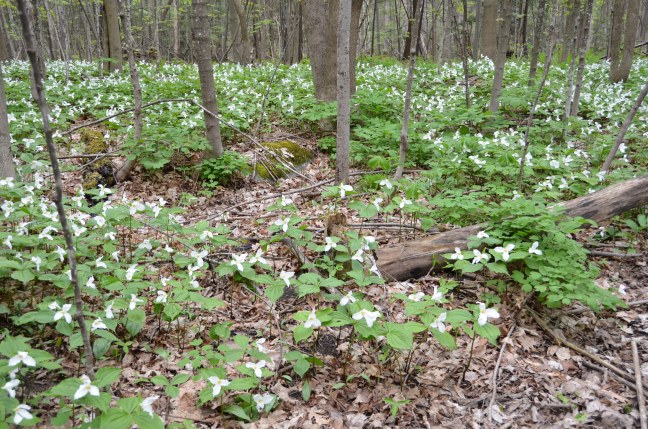
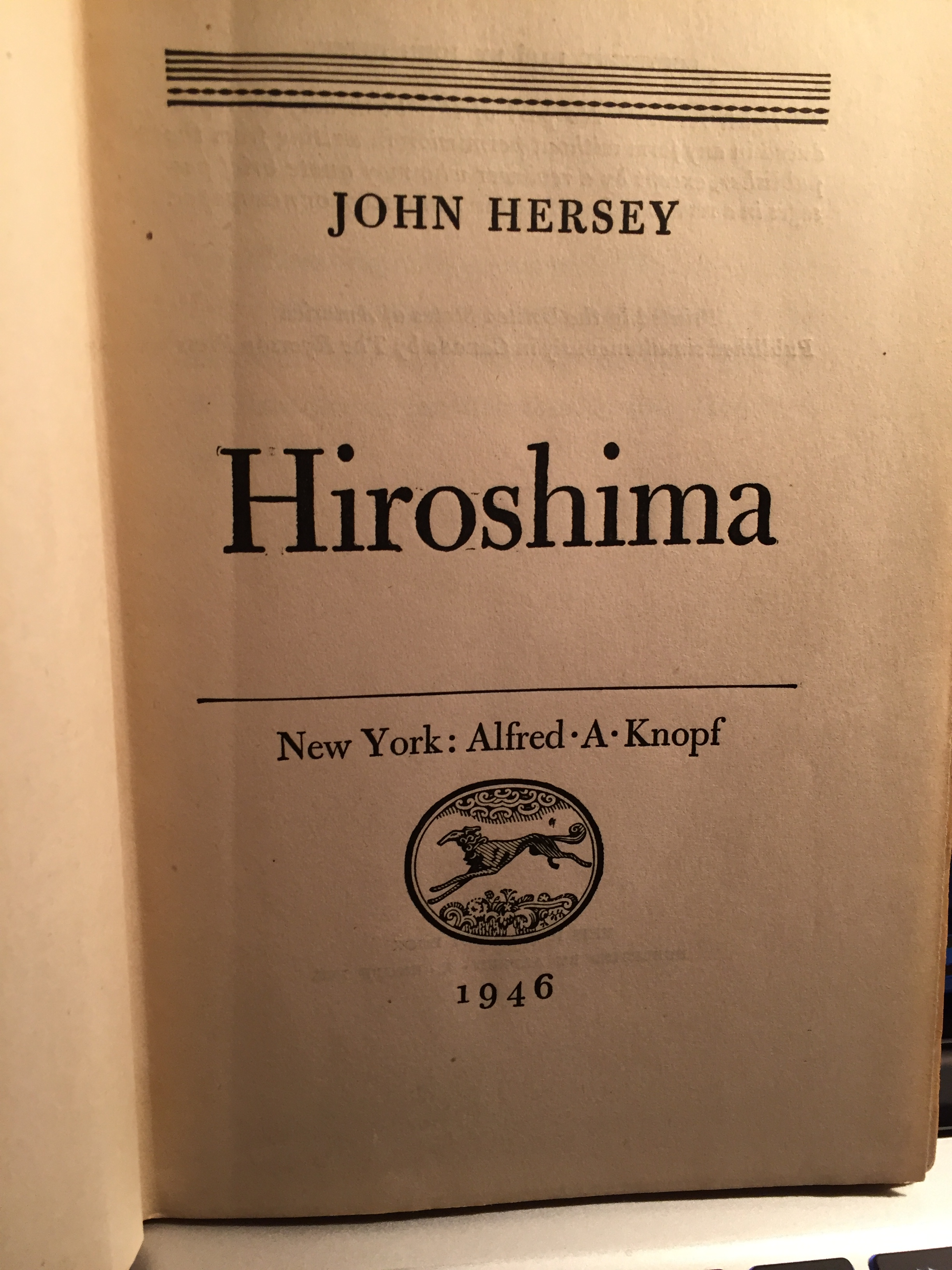


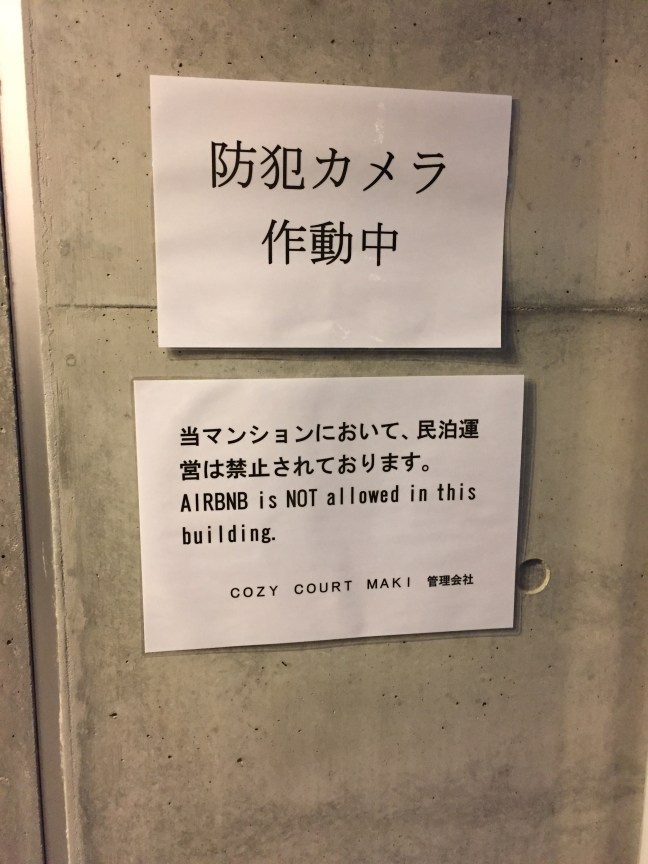
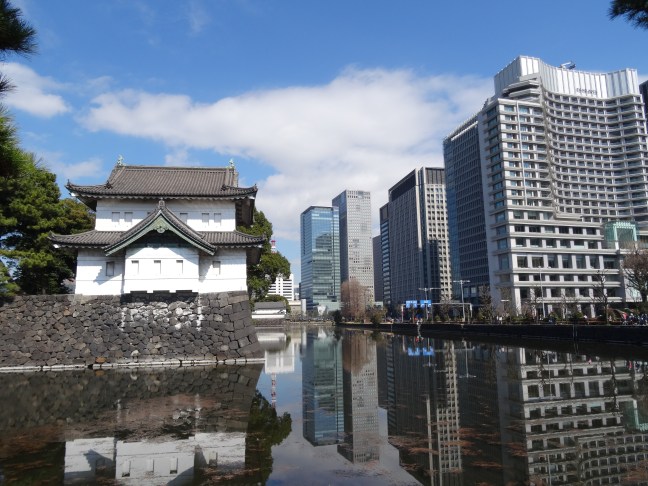
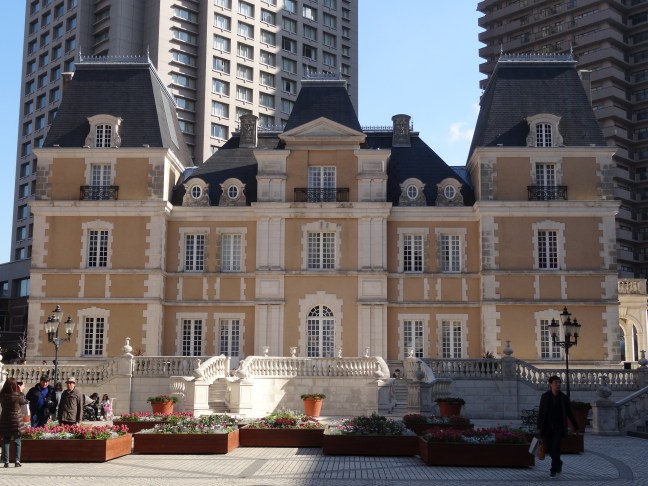

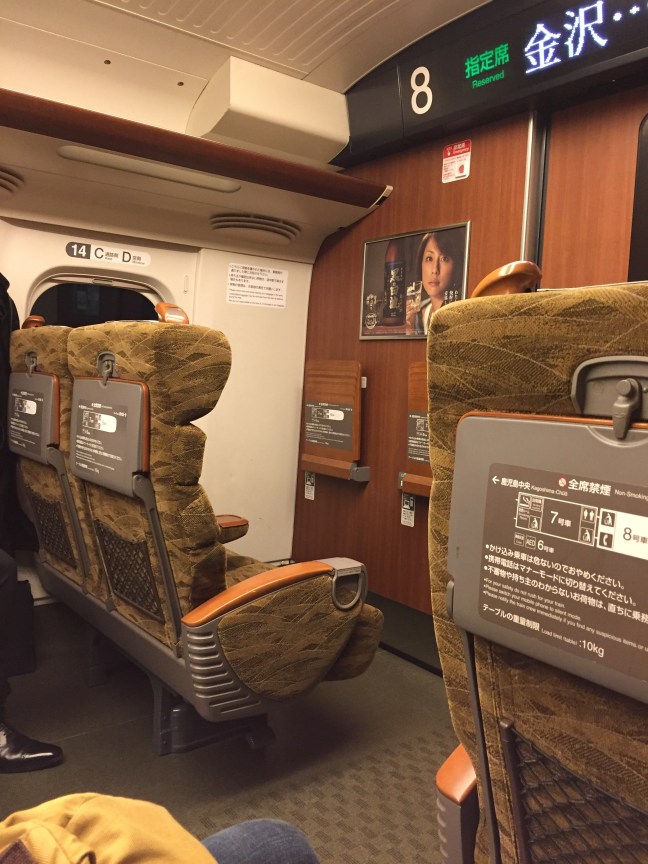
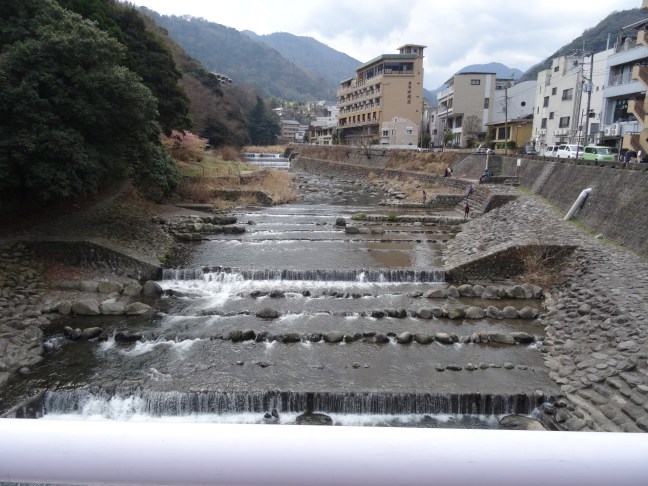
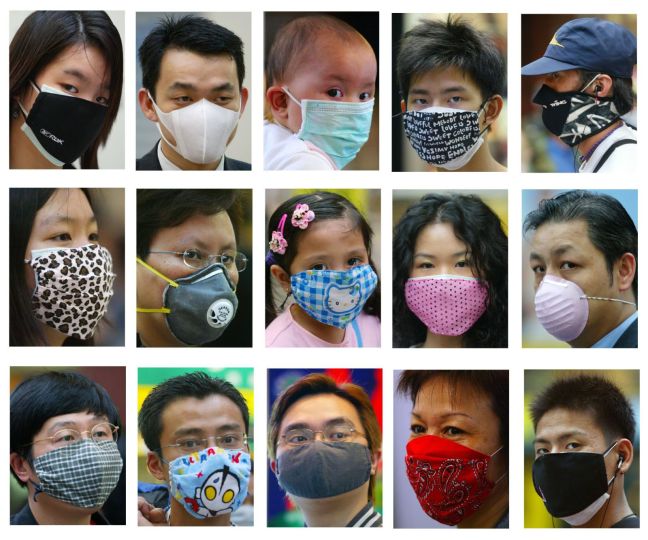

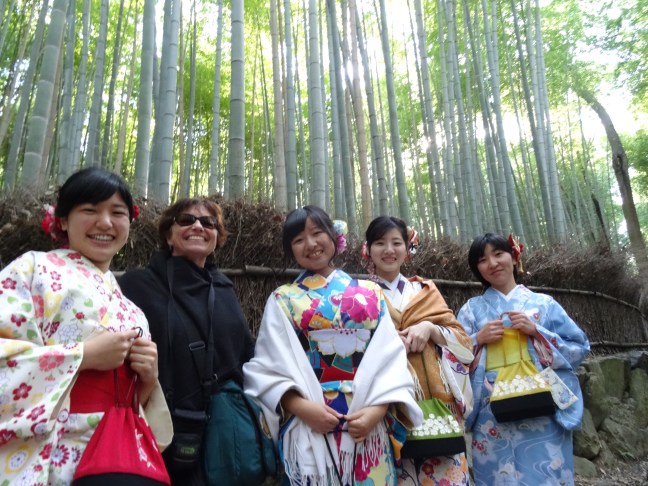
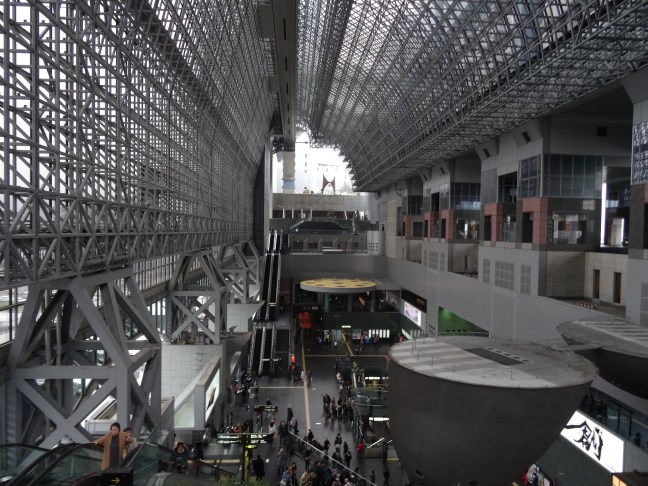
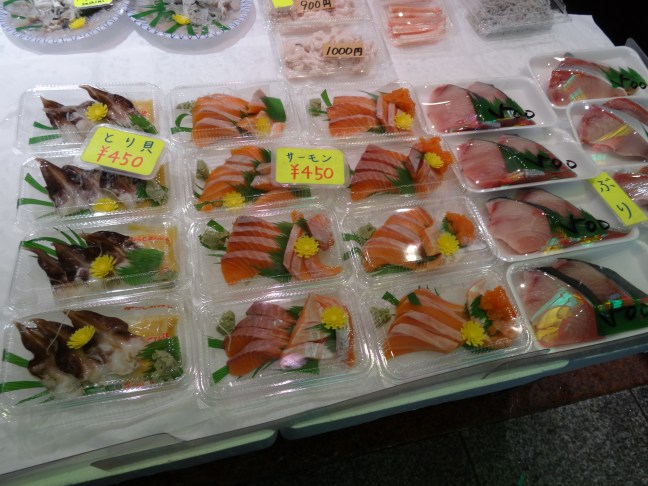


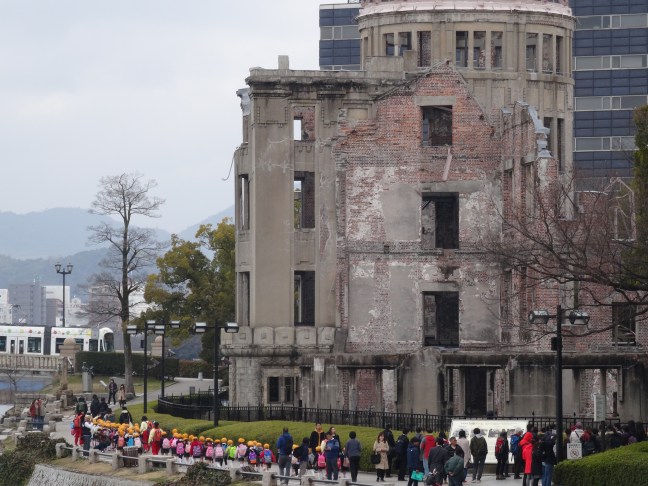
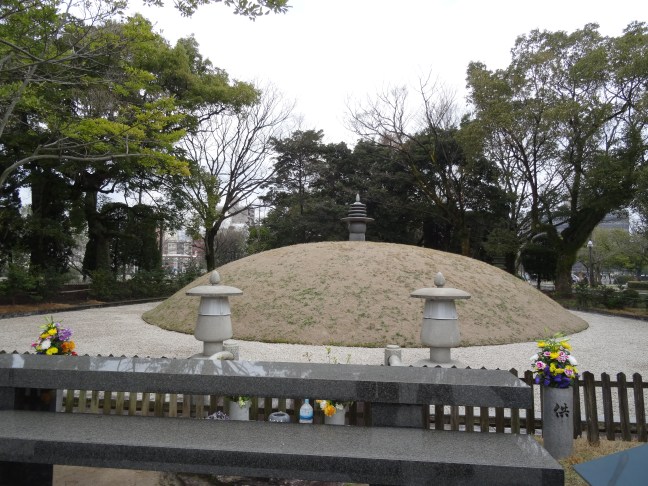
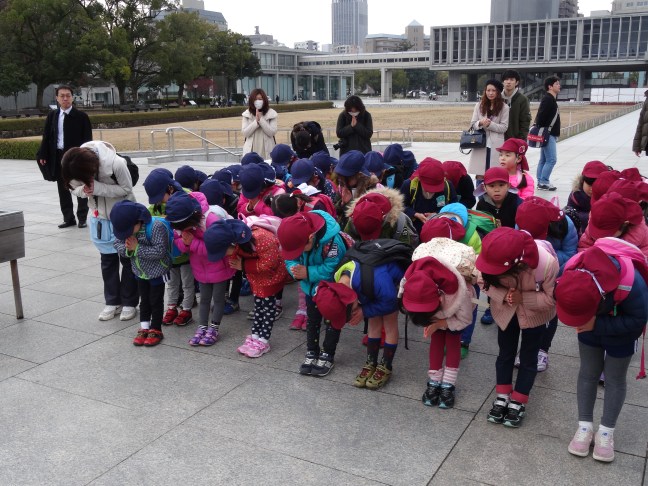
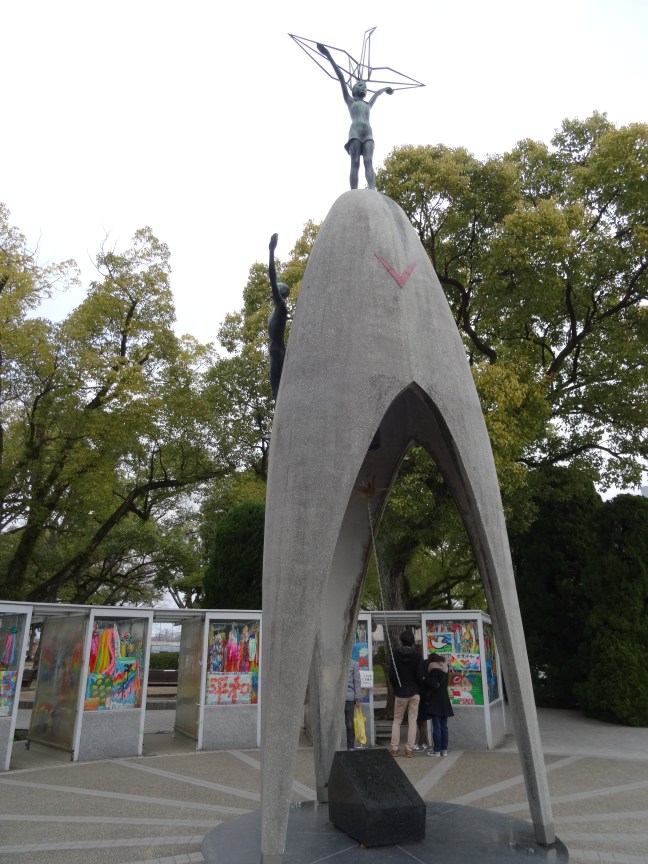
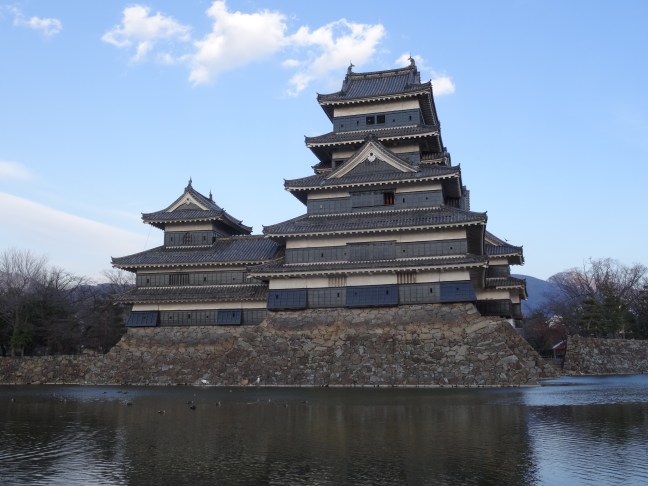
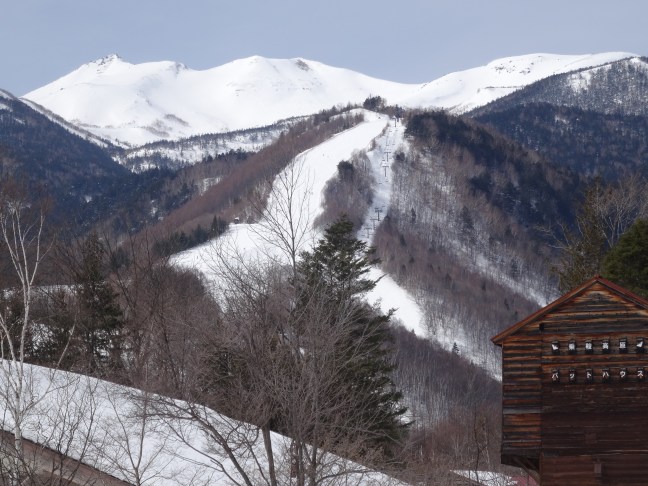
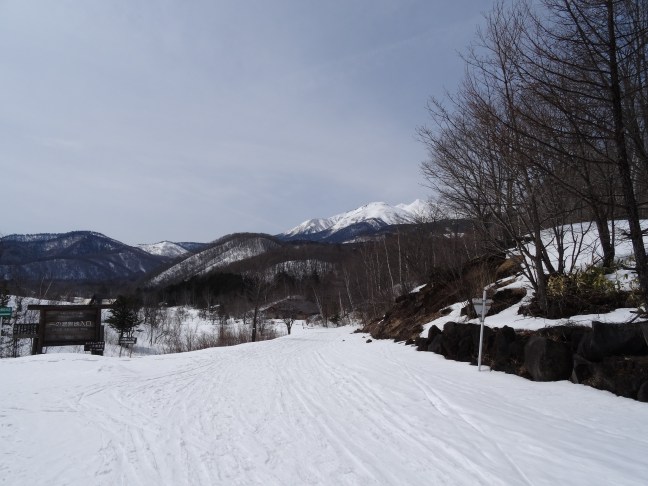
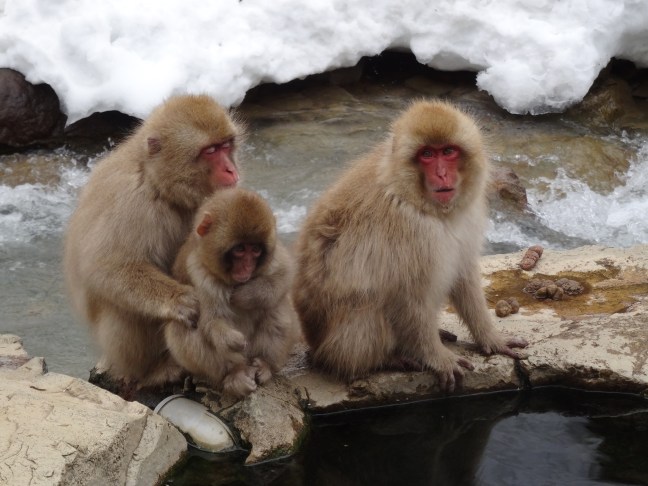
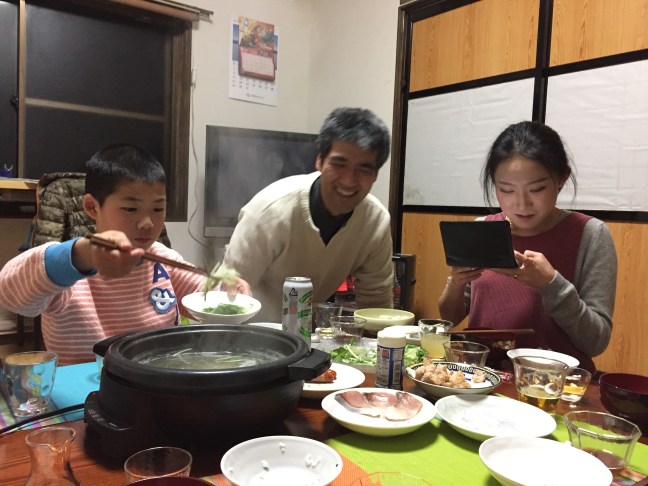
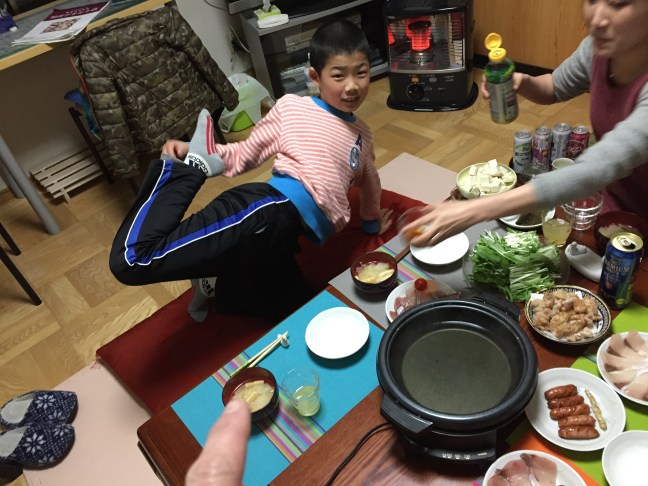

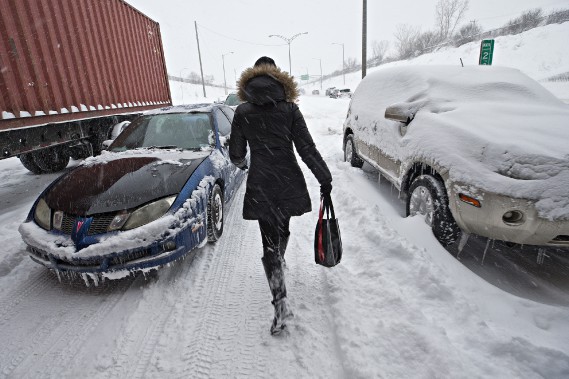
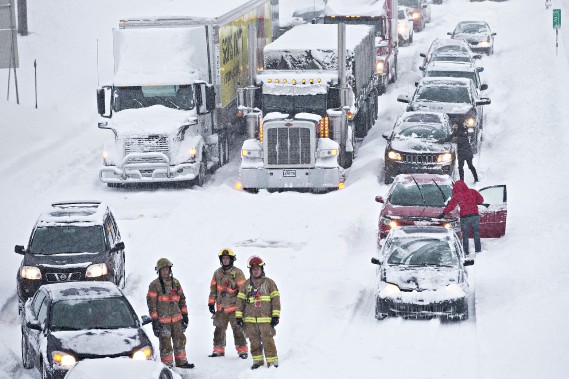
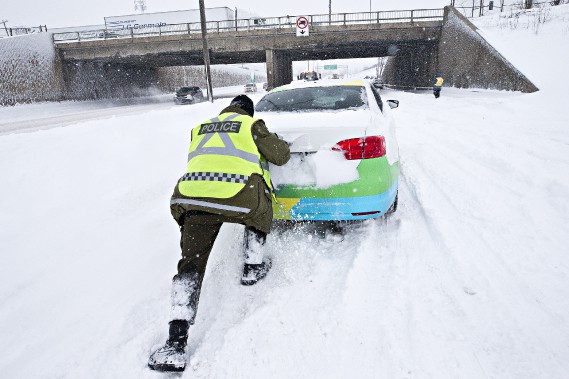

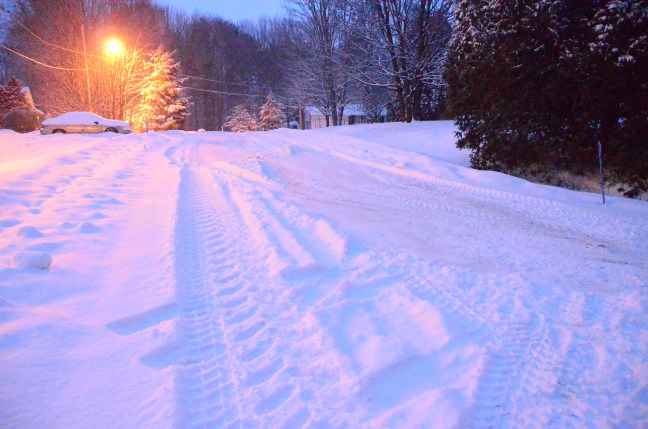
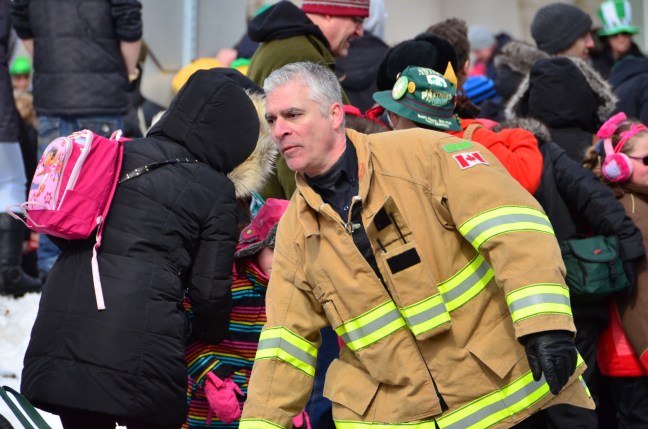
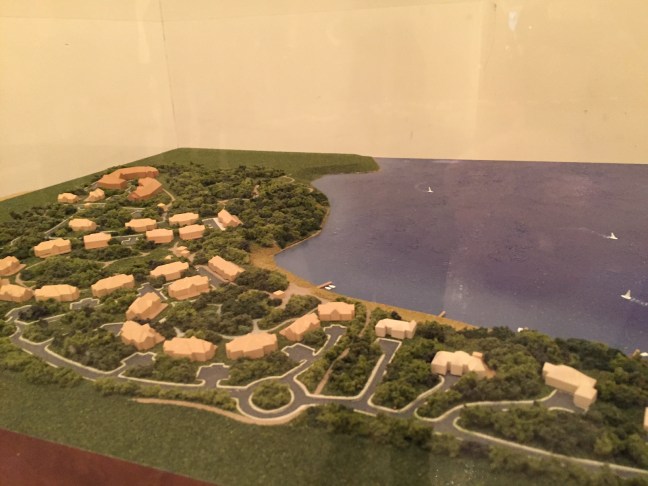
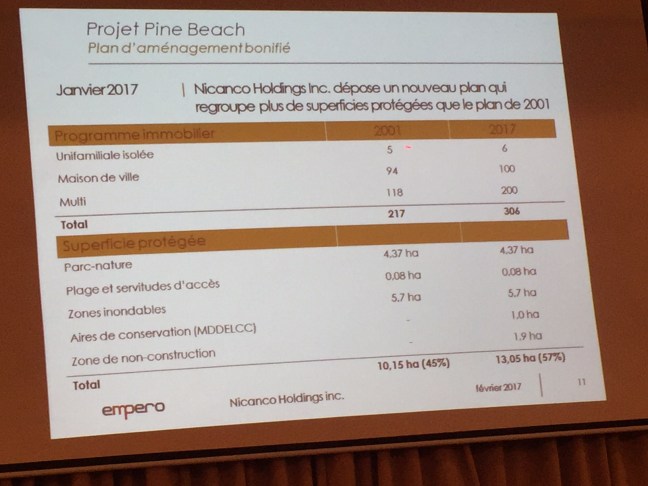
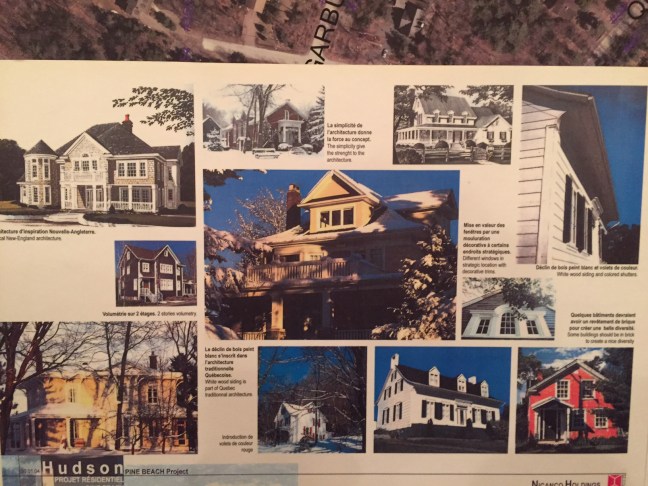
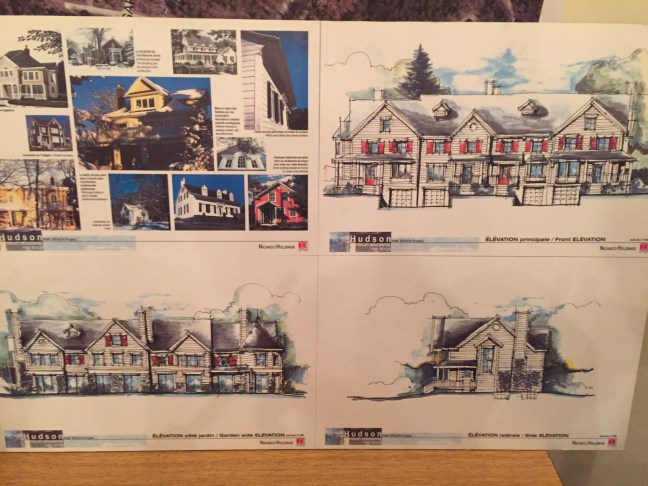
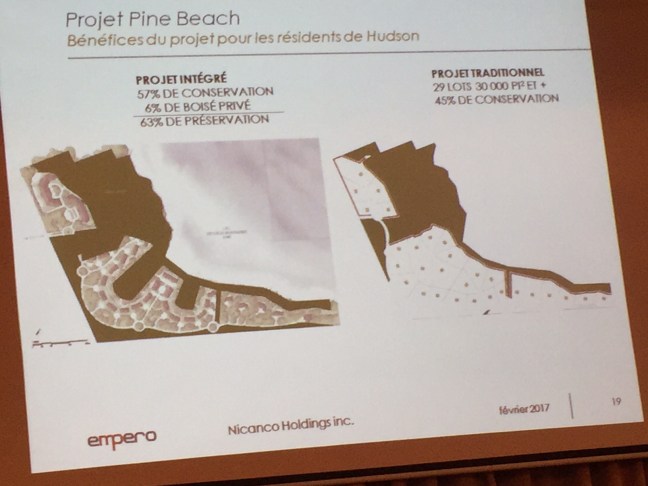


 thousandlashesdotca